Filmmakers shot many James Bond films in various locations in Jamaica. These include the very first film, Dr. No, and the eighth, Live and Let Die, as well as the island where the latest Bond film (to date) — No Time to Die — takes place. There are two main reasons for this. Firstly, the nature and diversity of the local landscapes, which are suitable for many scenes. And secondly, Ian Fleming, the creator of the novels about the famous agent with two zeros, wrote all his works here, at his villa “GoldenEye.”
- Jamaica Inn
- Dunn’s River Falls
- Laughing Waters Beach
- The Golden Eye villa
- Green Grotto Caves
- Cinnamon Hill Golf Course
- More James Bond films shot in Jamaica
Surely you all know the famous phrase that Bond uses when ordering a martini — “Shaken, not stirred.” A martini made with vodka in this way looks cloudy and similar to lemon juice, thanks to the abundance of air bubbles caused by vigorous shaking. In addition, when mixed with small pieces of ice, the cocktail cools faster, mixes better with the water from the melting ice, and loses its immediate strength.
It was these properties of the drink that appealed to Ian Fleming when he sipped it while visiting Winston Churchill, who was staying at the Jamaica Inn in Ocho Rios. The cooler method was perfect for enjoying a martini with gin (which you can replace with vodka) on hot tropical evenings, and it doesn’t go to your head too much — just what a secret agent needs! This is how the famous detail appeared in the novel Dr. No, where the author also pointed out that the hotel bar was one of the best places on the island.
Jamaica Inn
Who am I to doubt the words of a classic of British adventure literature? Since I’m going to Jamaica, I’ll stay at this famous hotel. After all, Sir Winston Churchill would not have chosen just anything. Neither would Marilyn Monroe, Katharine Hepburn, Errol Flynn, and other stars of Hollywood’s golden age — they certainly knew a thing or two about such matters.
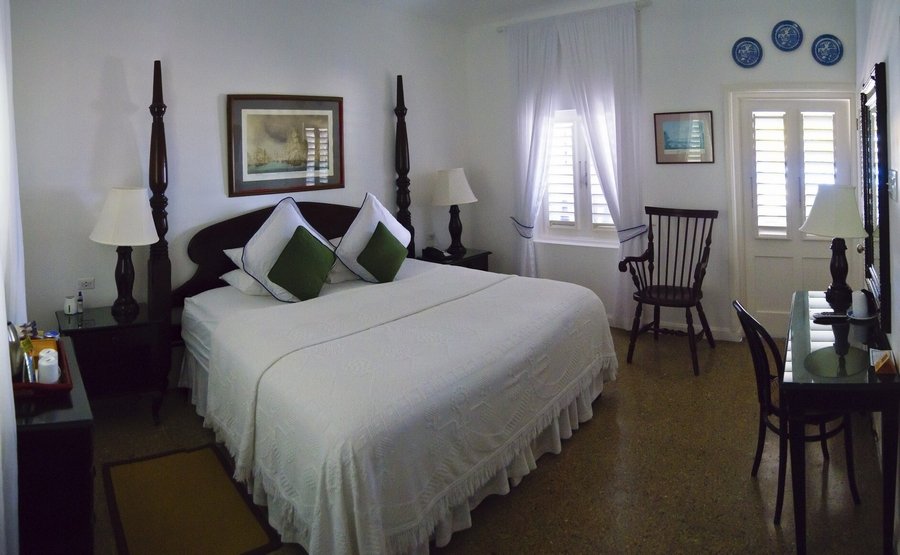
The hotel blew me away. Even though it doesn’t have any pretentious pomp and circumstance — no gold Arabian-style toilets, no exaggerated modern Asian luxury, no classic glamour of the great historic hotels of Europe. Everything is quite simple, with a slight colonial influence, but how damn well done, how thoughtfully and competently implemented!
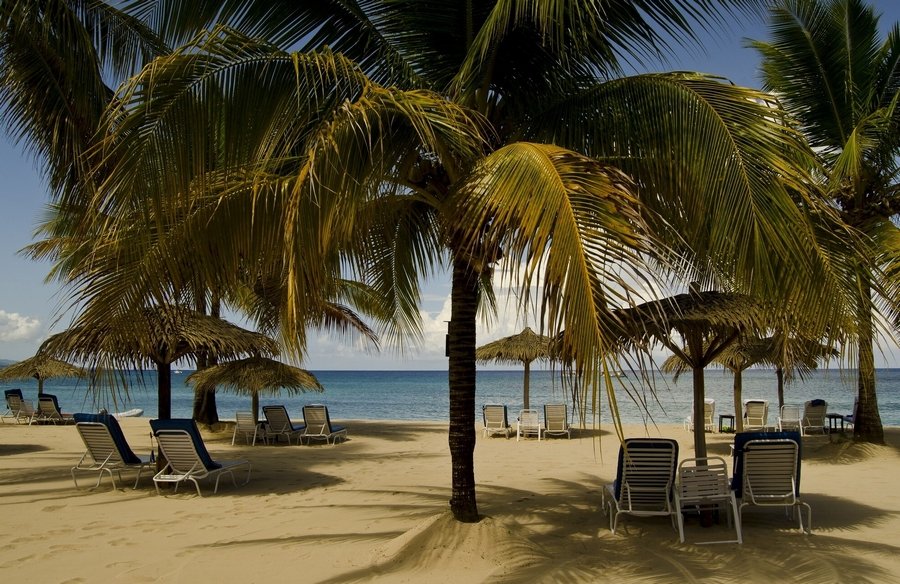
The architects located two one-story and one two-story buildings so that all rooms face the Caribbean Sea. The two-story building is the main one and opens onto the sea via a small lawn with a cricket pitch and a beach. The one-story buildings have their own terraces, with one building (where Churchill stayed) opening directly onto the water and the other (where I stayed) opening directly onto the beach. The hotel team has precisely calculated the number of sun loungers and sturdy fixed cane umbrellas for the number of guests and rooms, so there is no chance of the famous Turkish battles for sun loungers. Yes, there are also several villas — a couple with access to the far end of the beach and three or four with steps leading down to the water through the rocks. In short, there are accommodation options to suit every taste!
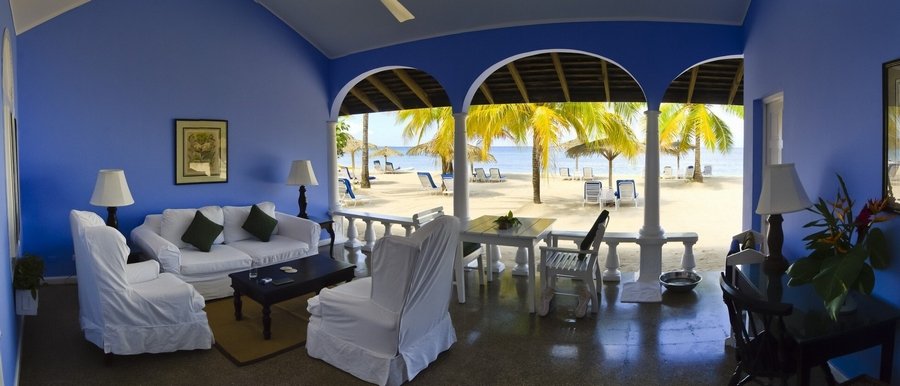
Having your own terrace and the sea within walking distance tempts you to take a dip in the morning, before breakfast and your shower. Moreover, after a while, I began to neglect the chic restaurant with excellent musicians in favor of my terrace in the evenings, and if I had to dine at the hotel instead of traveling around the island, I definitely chose to order food to my room. Oh, I’d better tell you about the food separately! But do go to the restaurant anyway, because the music is excellent, and there are lobsters and other fresh catches of the day, and, after all, there is a bar where Mr. Fleming and Mr. Churchill used to drink.
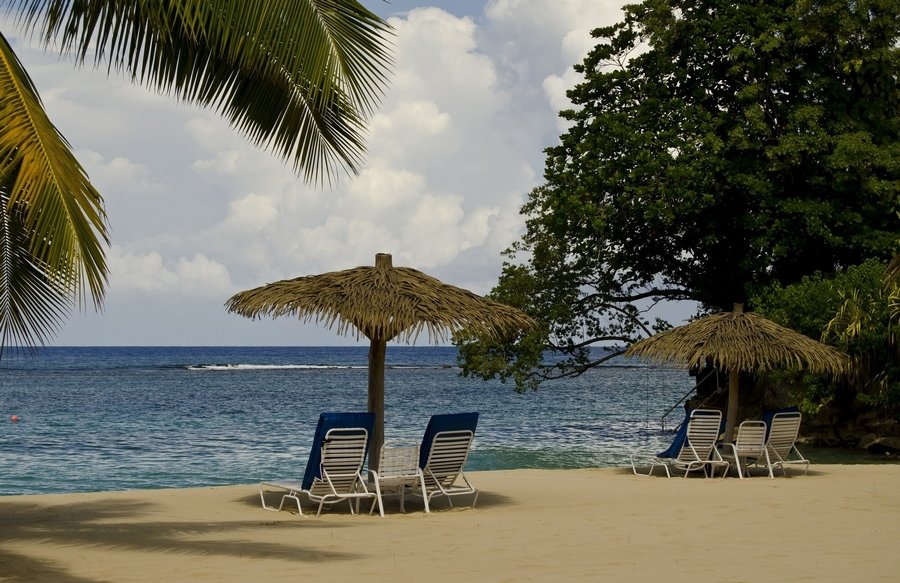
The unusual reception also added to the appeal — small, designed to emphasize the exclusivity of the guests, the entrance area is located under a canopy on the street, but you won’t need much space: check-in is instantaneous, you’ll hardly have time to finish your welcome cocktail. The staff will put your suitcases in your room before you arrive. Here, there is no trace of the famous Jamaican leisureliness.
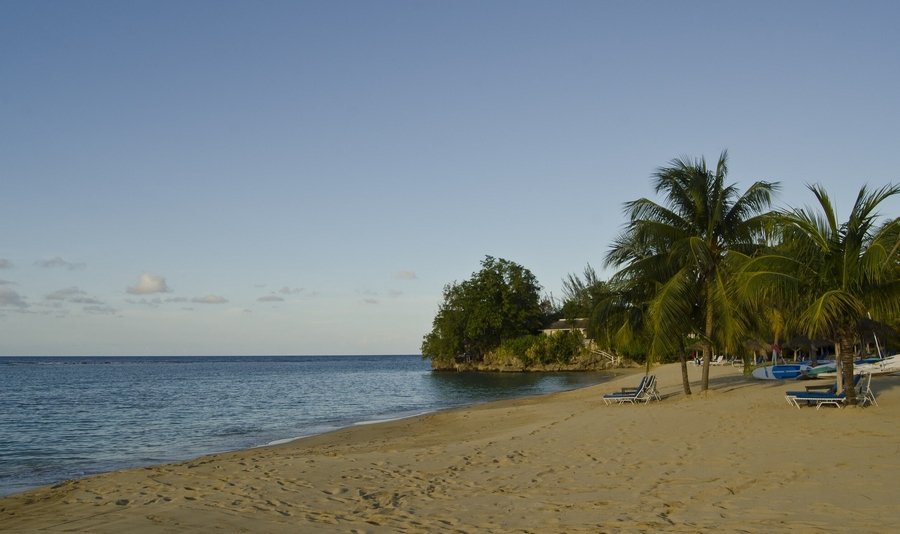
The hotel also has a unique feature. It has nothing to do with Bond or Fleming, but it’s worth mentioning. Turtles lay their eggs on the beach, and about once every two weeks, the staff, with the direct participation of guests, help the baby turtles reach the sea! It’s a very nice tradition, and I was very lucky that the release of new life into the ocean happened on one of the days of my stay.
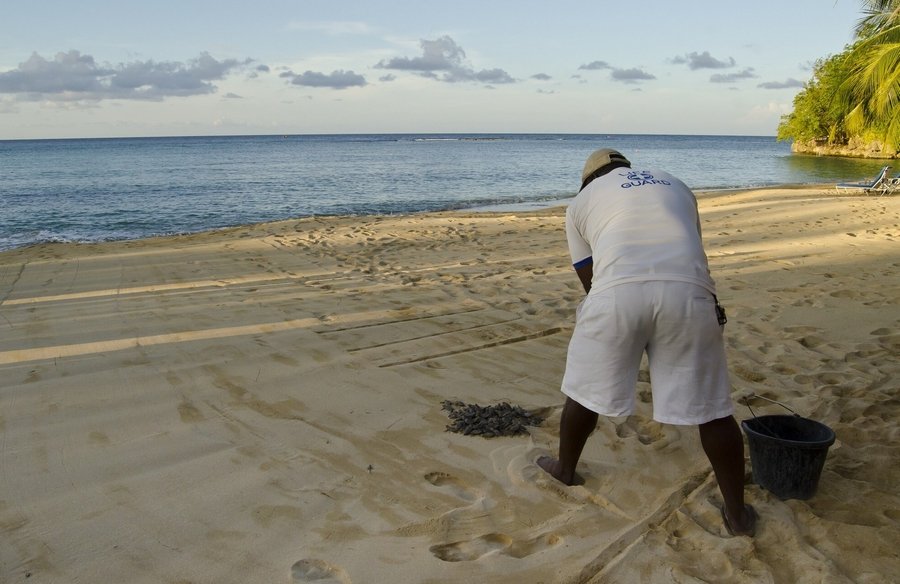
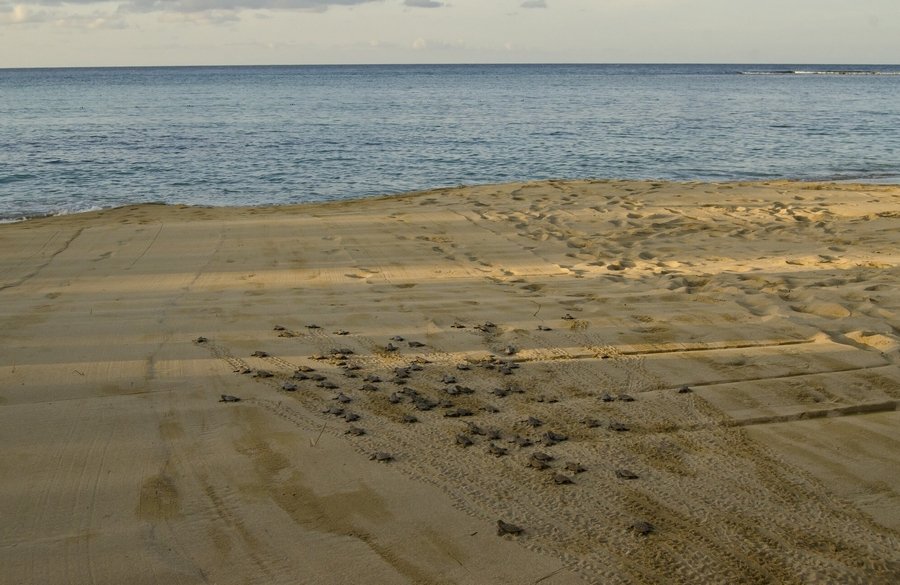
The owners of Jamaica Inn have also set up a wildlife conservation fund and are restoring corals damaged by the last hurricane on a reef near the shore. First, specialists grow them in a laboratory, and then string them on ropes — after that, they grow on their own. One day, I took a boat with a mask and snorkel to see it — it’s really impressive, as is the variety of marine life.
Dunn’s River Falls
Now let’s head to one of the island’s main attractions, which also appears in important scenes in the first film about Agent 007. The location is beautiful even without the Bond connection, so it’s best to arrive early in the morning, otherwise it can get quite crowded.
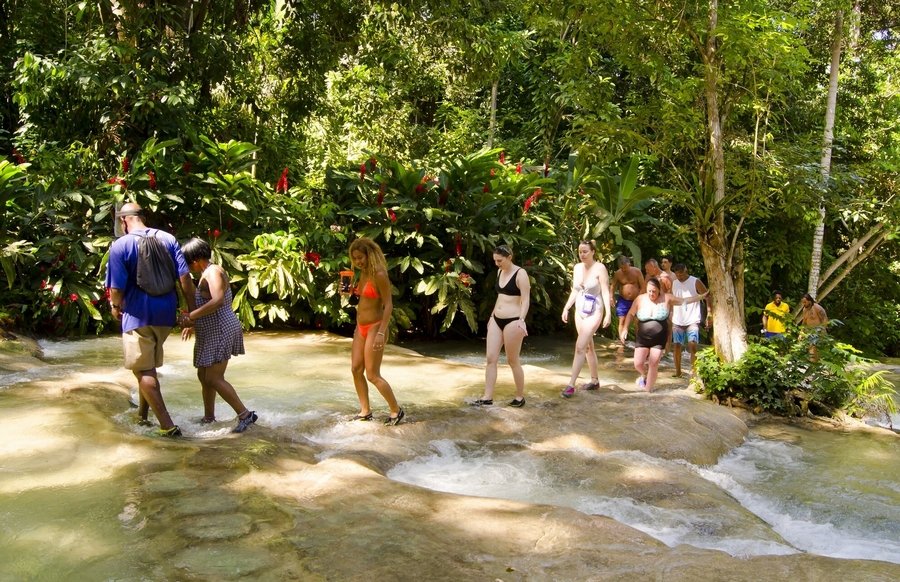
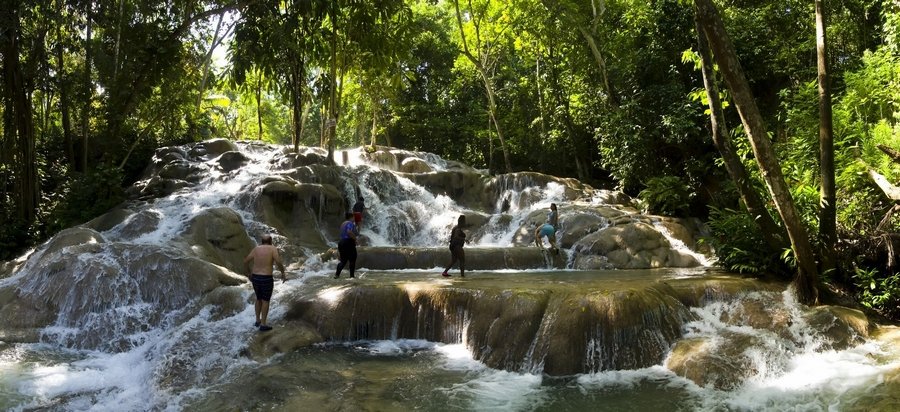
We are talking about the Dunn’s River Falls cascade — here, the Dunn’s River elegantly flows down 180 meters over travertine ledges directly into the Caribbean Sea, and at the confluence, you also find a convenient beach for swimming, Dunn’s River Beach.
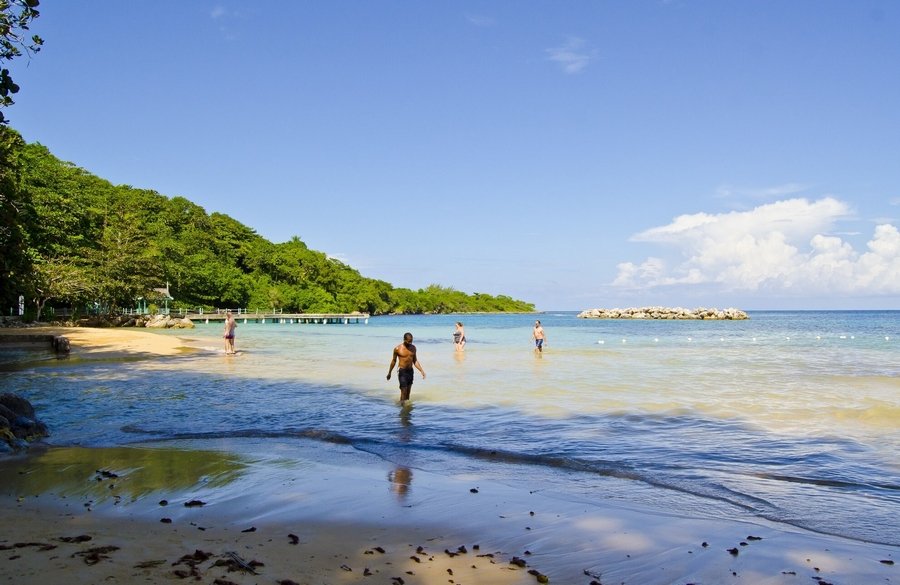
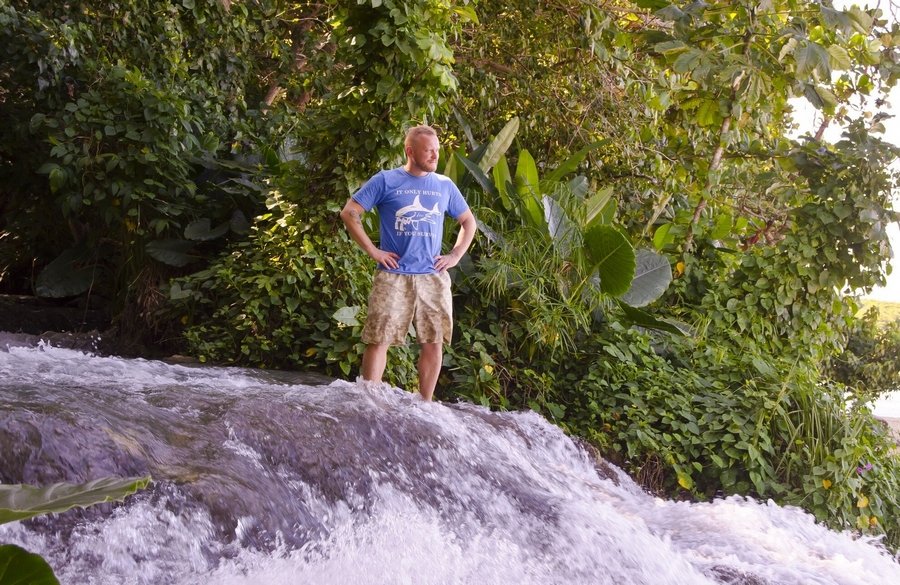
After entering the park, experienced guides accompany you straight up the cascade — from the sea to the beginning of the travertine terraces, and you swim in the warm waters of natural pools along the way. Don’t worry about your camera equipment: the guide acts as your personal photographer and will certainly capture you on film. In my case (by the way, since I arrived early, he accompanied me individually), he took photos with both my phone and my camera. I was very worried about my equipment, but as you can see, everything turned out fine and the photos are available.
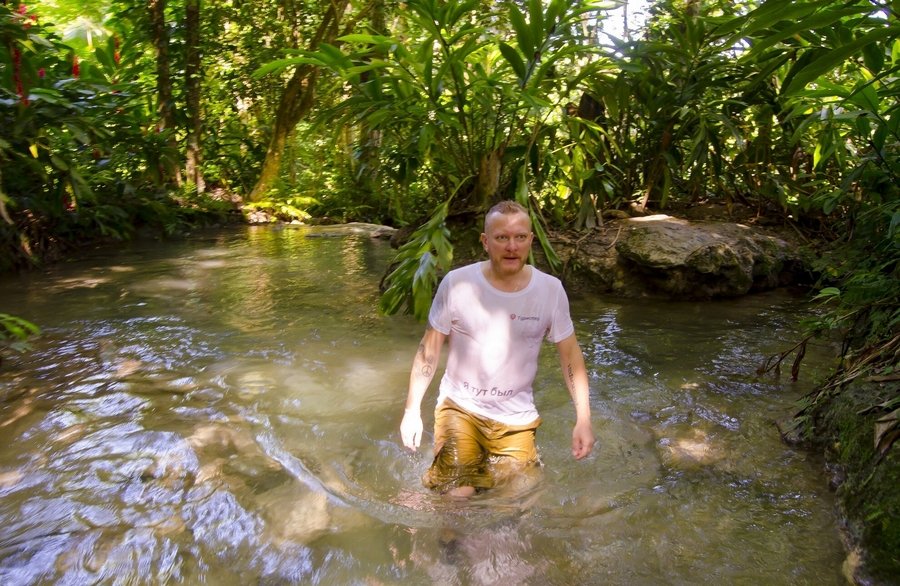
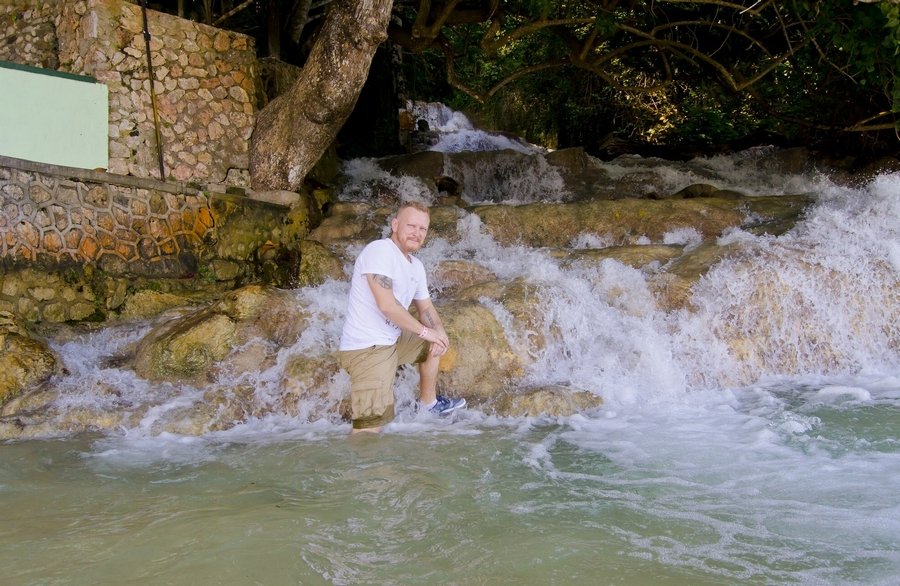
If there are a lot of people, the guides literally lead them by the hand, but non-slip shoes are still highly desirable. Changing rooms and toilets stand down by the sea, which is very convenient, but then you have to go down and up to the exit. There is also a children’s area, souvenirs, lots of places to relax, and everything is well organized.
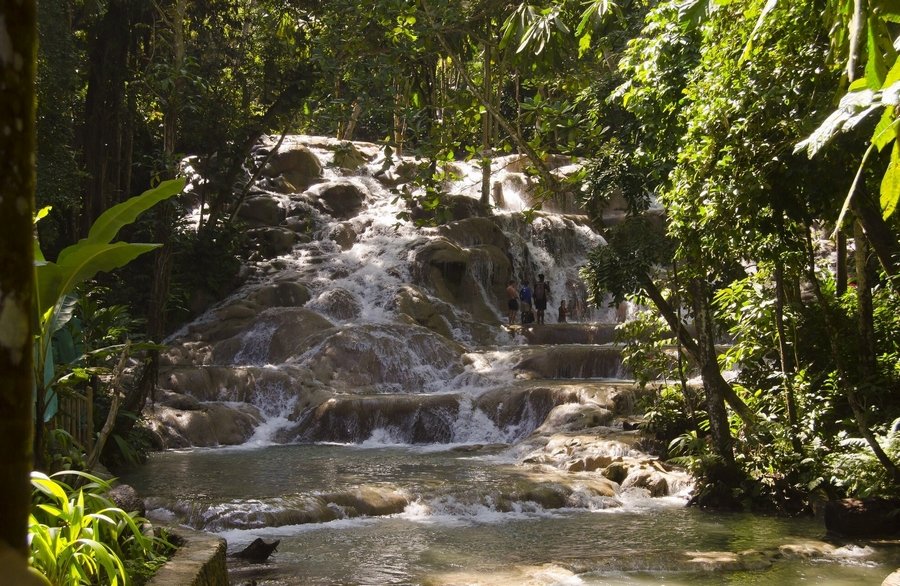
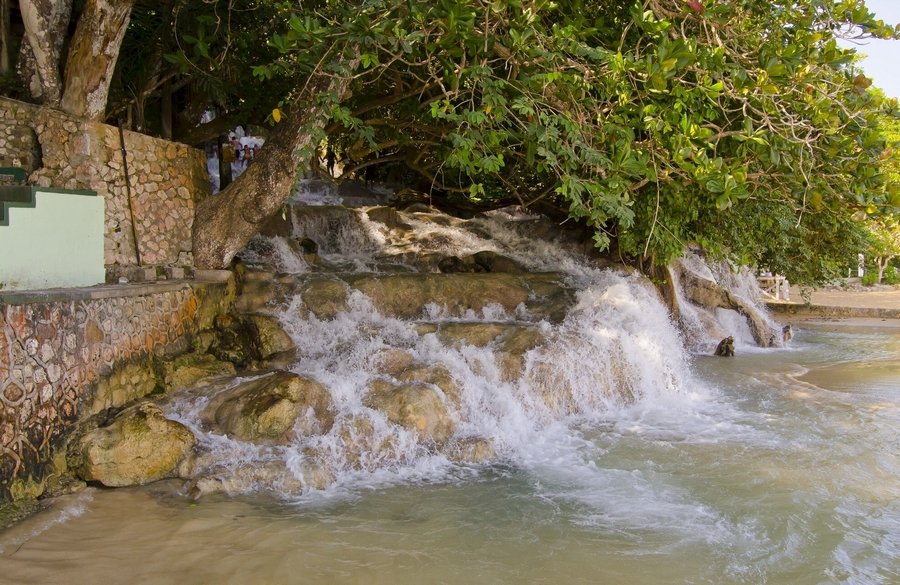
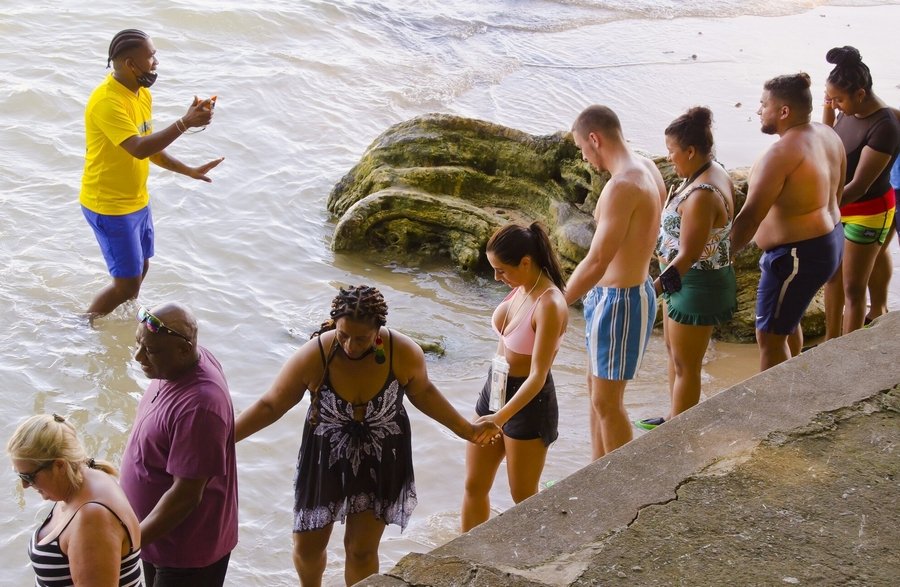
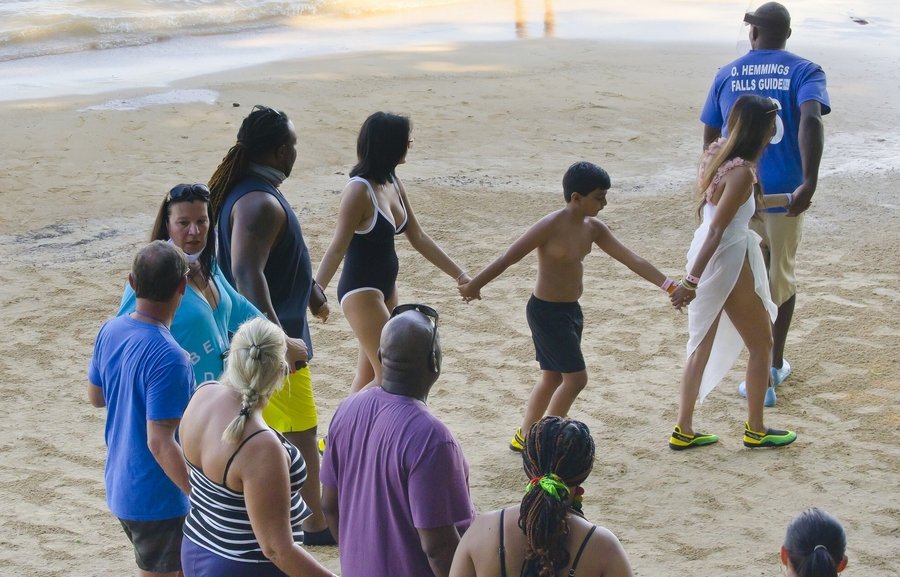
After my climb, the crowd caught up, and I walked back and forth to take pictures of the tourists. First, the guides gather everyone on the beach, give instructions, then everyone joins hands so that if one person falls, the chain will hold them back, and they begin the climb.
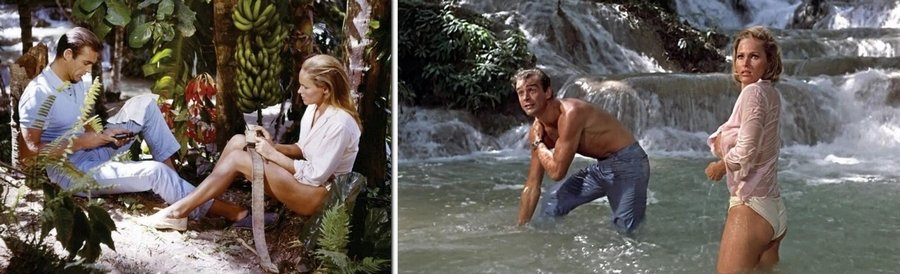
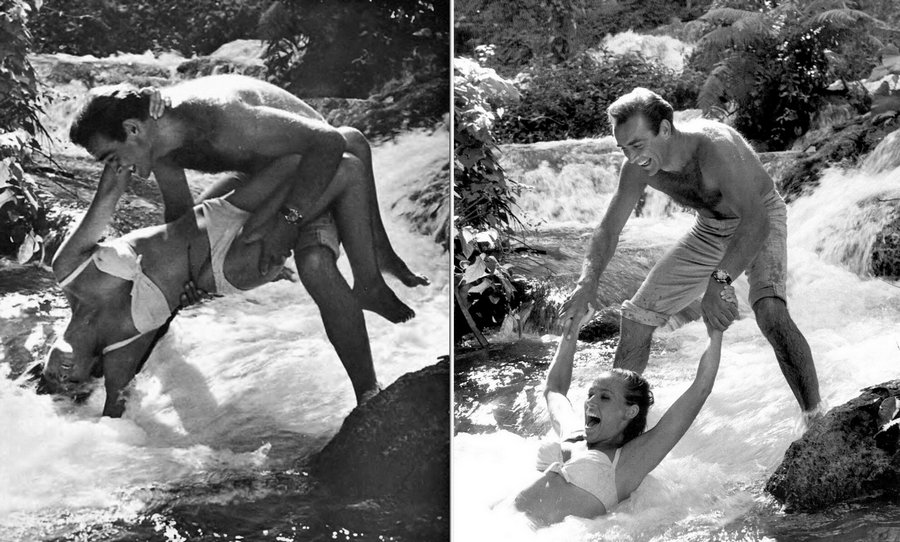
And here are scenes from the movie “Dr. No” with Sean Connery and Ursula Andress.
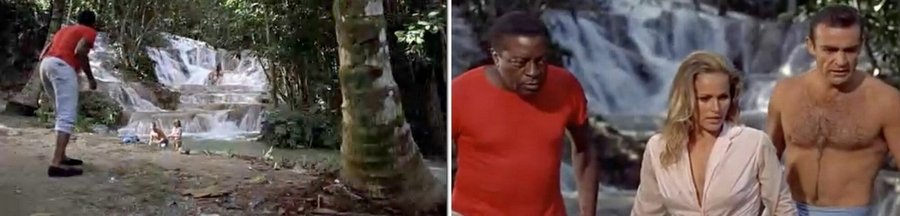
In general, nothing much has changed in almost 60 years.
Laughing Waters Beach
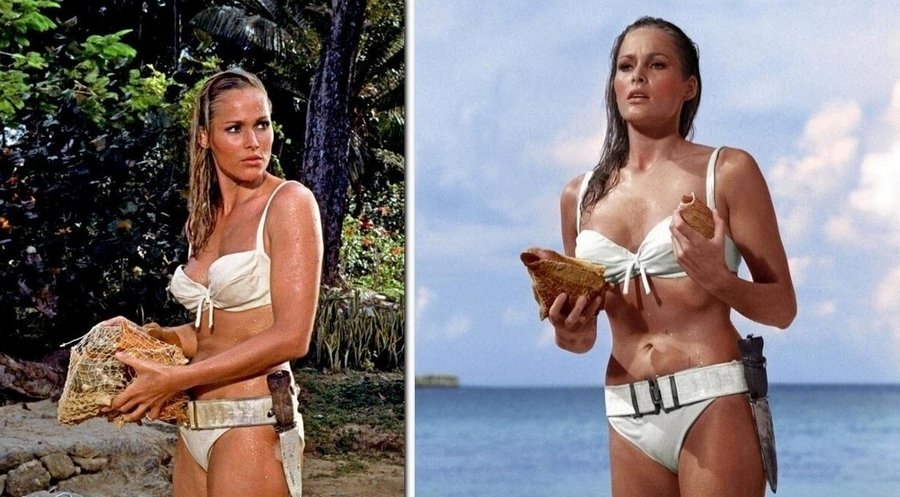
The next waterfall, or rather a water slide, like the previous one, flows directly into the Caribbean Sea. This place is called Laughing Waters. The filmmakers also shot Dr. No here, and it was in this very spot that Ursula Andress made her spectacular appearance with seashells and a white bikini from the waters of the Caribbean Sea. The shot clearly refers to the birth of Venus.
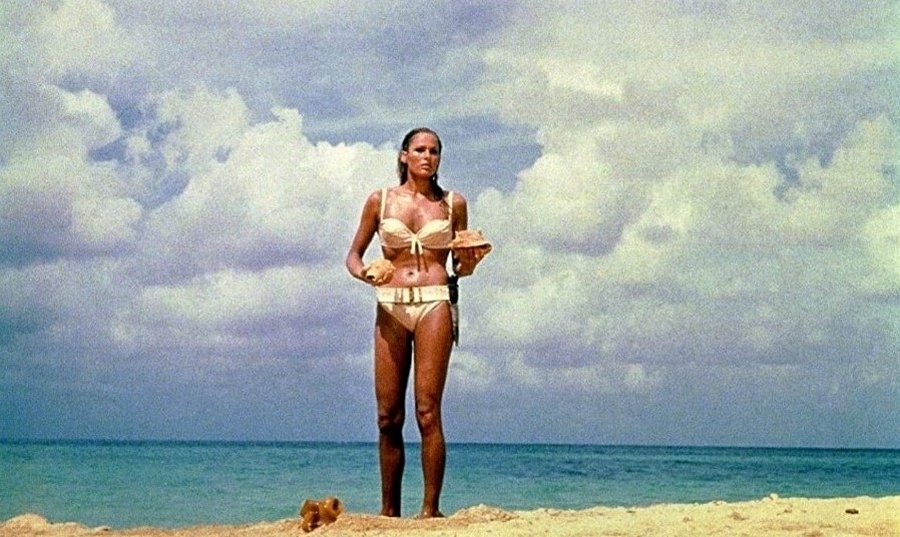
White bikinis seem commonplace now, but in 1962, they caused a sensation. Although this type of swimwear had appeared at a fashion show in Paris in 1946, it remained largely taboo in the 1950s, and the one-of-a-kind swimsuit — which the actress and the film’s costume designer created together — perfectly illustrated the sexual revolution taking place in the Western world. After the film’s release, brands around the world began selling two-piece swimsuits, and the scene became iconic in world cinema. The importance of the moment is eloquently demonstrated by the fact that Wikipedia in Farsi even has a page dedicated to this swimsuit!
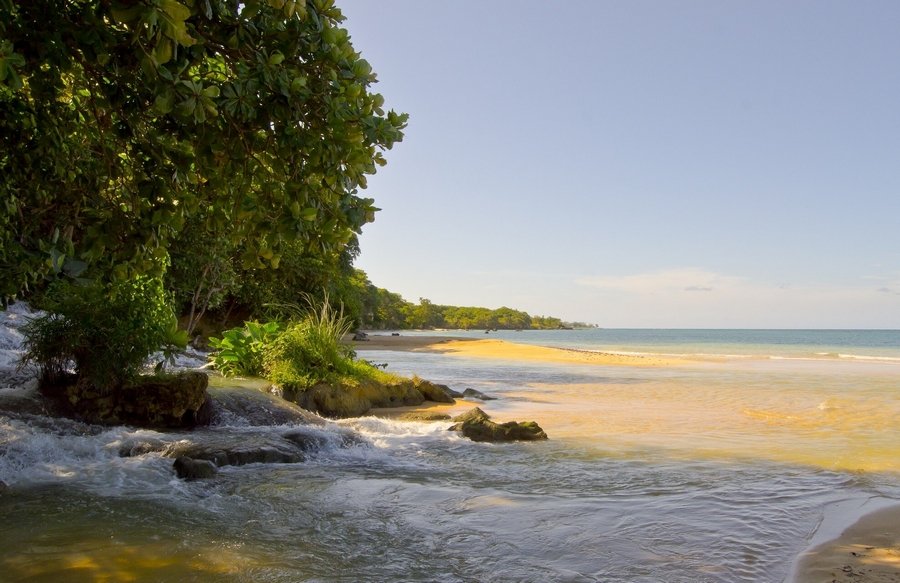
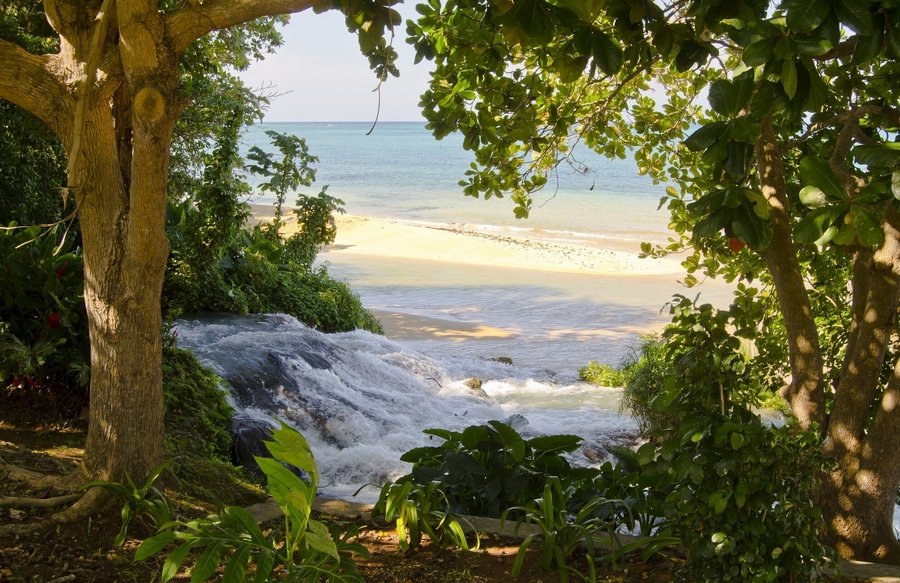
The beach is still gorgeous. Ursula Andress, in her own way, surely is too.
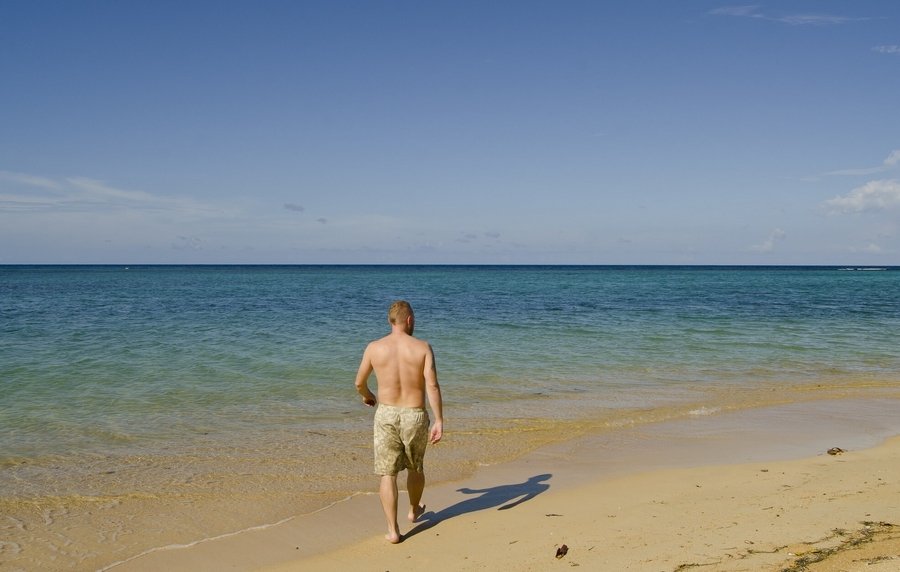
As I once swam in Cyprus, where, according to legend, the prototype of Venus emerged from the sea foam, I took a dip in the water here as well.
Stills from the film:
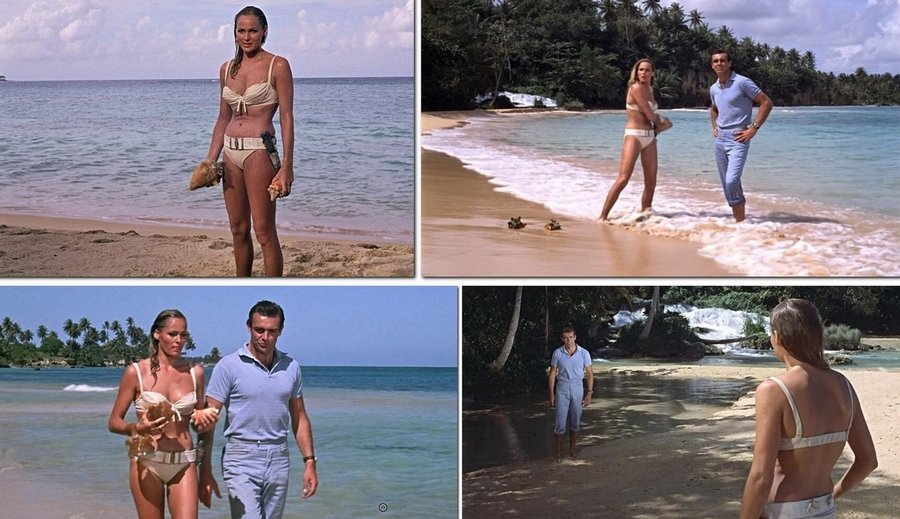
By the way, if you write the actress’s surname as Undress instead of Andress, it would be very fitting! I’m sure the filmmakers joked about this more than once while working together…
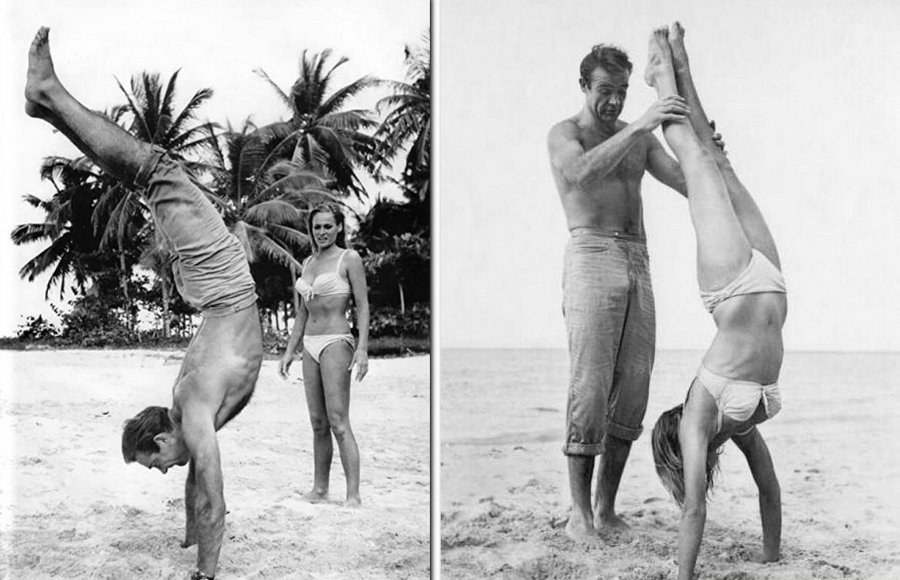
However, Sean and Ursula seem to have not only worked well together, but also had a good time — I managed to find some behind-the-scenes footage from the shoot.
The beach is popular with locals in general, and especially with newlyweds: people hold weddings or simply banquets and photo shoots here. Would you like to capture yourself with your significant other in such a setting?
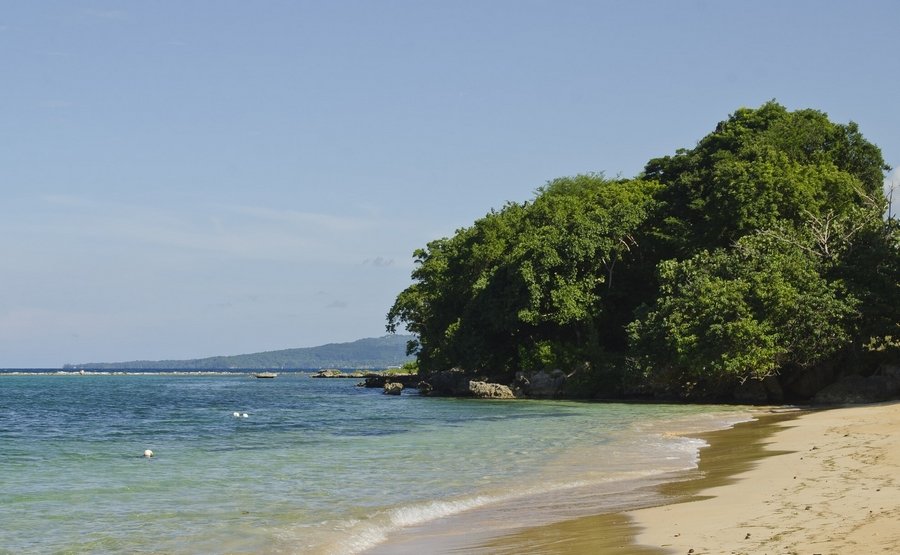
The Golden Eye villa, James Bond Beach, and Ian Fleming Airport
Before moving on to the filming locations of the latest movie, which we were able to visit, let’s take a detour to some locations associated with the author of the novels. Just 20 kilometers east of the Jamaica Inn hotel on the coast lies the writer’s villa, Goldeneye. He purchased the land in 1946 and built a three-bedroom house with a swimming pool and views of a private beach based on his own designs. While working as a journalist for The Sunday Times, the creator of Bond agreed with the editorial office that every year in January and February (apparently when he didn’t want to be in England at all) he would spend his time here writing novels. After Fleming’s death, Bob Marley bought the villa, and later Chris Blackwell acquired it — we will discuss him in the music section. Today, GoldenEye operates as an exclusive hotel.
Incidentally, in 1995, the first Bond film not based on the writer’s novels received the villa’s name — GoldenEye. Fleming, in turn, named his refuge after the operation to repel a possible Nazi attack on Gibraltar, which he himself developed while serving in British intelligence during World War II.
Nearby lies “James Bond Beach” with the Moonraker bar, named after the eleventh film about Agent 007 (translated as “Moonraker”). It is a beautiful place with paid admission, but it has nothing to do with Bond, except for its proximity to Fleming’s villa. You can often find info online claiming that Doctor No was filmed here, but as I showed above, the film crew used other sites, so that’s a myth, just like “shake, not stir.”
But Ian Fleming International Airport, even though it sounds like a myth, actually exists and operates. The small airfield sits just a couple of kilometers from the Golden Eye, and it holds international status specifically to accept private planes from other countries; it offers no regular flights, only high-end tourism — most likely to Fleming’s villa through this air harbor.
Green Grotto Caves
Well, let’s move on to another attraction on the island associated with Agent 007. Like Dunn’s River Falls, it is interesting in itself, even without Bond, but Bond-related history makes it doubly interesting for fans of the books and films. We are talking about the Green Grotto Caves, conveniently located on the north coast of the island, 30 kilometers from the Jamaica Inn.
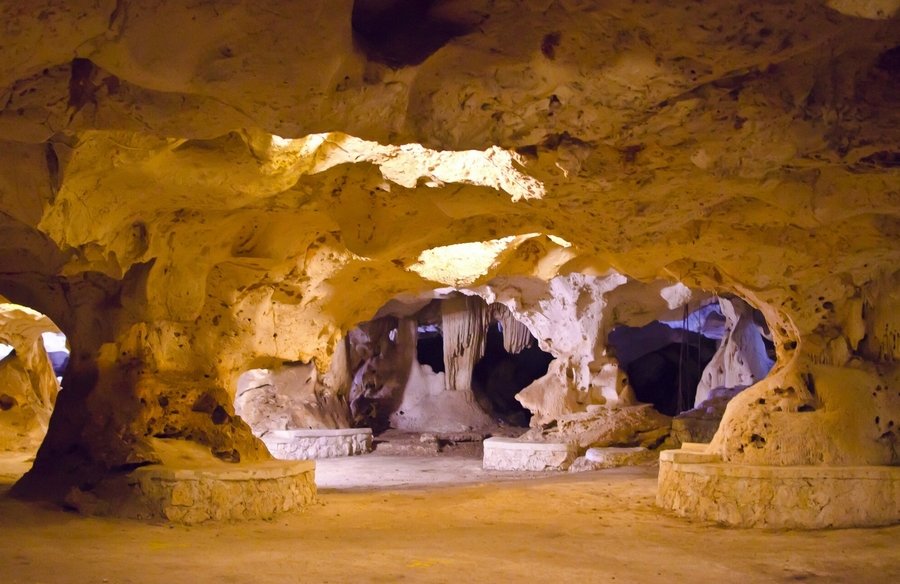
The caves are named after the green algae that cover the walls and differ from the rest of the island in their structure: the domes result from the mixing of fresh and salt water, and the two clearly distinguishable levels (upper and lower) reflect different periods of formation due to different sea levels. The lower level contains an underground lake, which served as the setting for the eighth Bond film, Live and Let Die, starring Roger Moore and Jane Seymour in 1973.
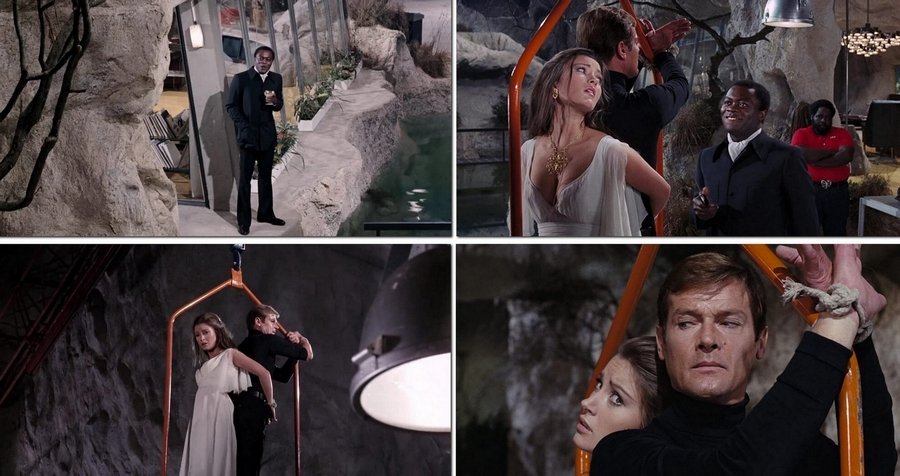
But there is one trick. The filmmakers did not shoot the scenes directly in the caves; the Pinewood studio team recreated their structure in the pavilions. Otherwise, the actors would not have lasted long in the waters of the underground lake — the final scene was shot in the water. And this is what the lake looks like in reality today.
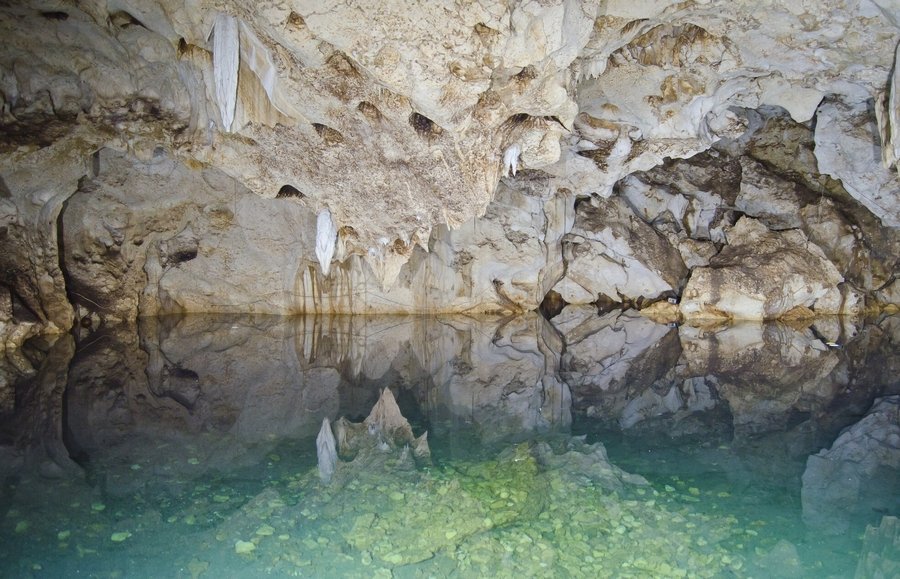
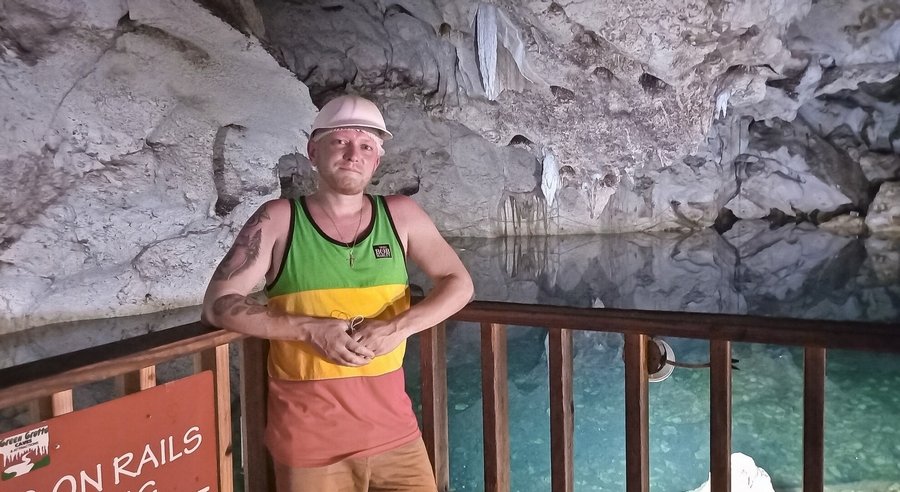
Descent from the upper level of the caves to the lower level, to the lake:
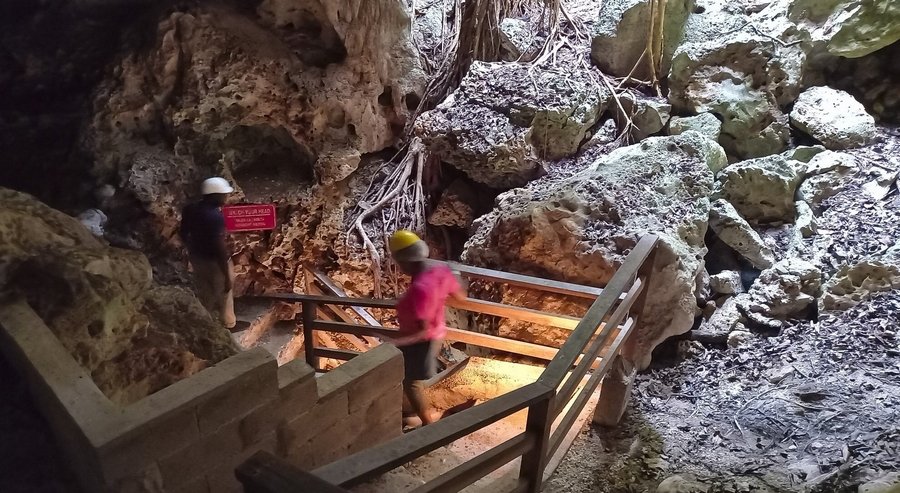
Upper level of the caves is also a movie star:
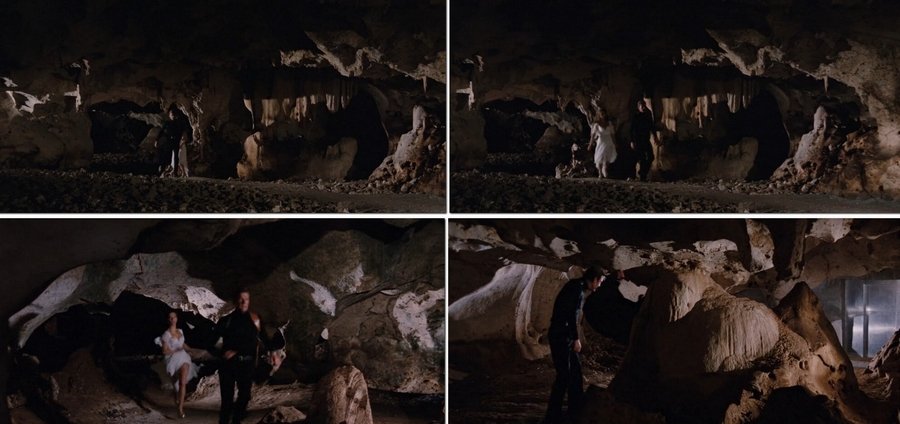
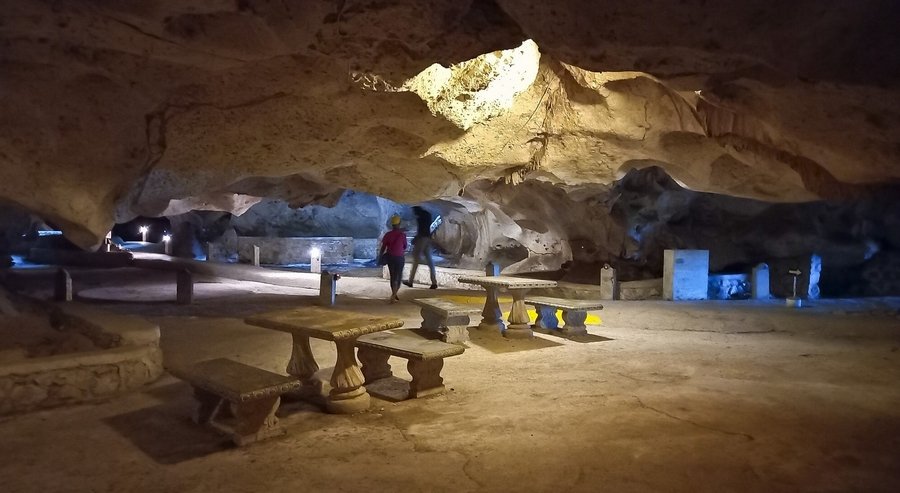
It is much more spacious, and there are even stone tables in the room. It would be nice to have a party here!
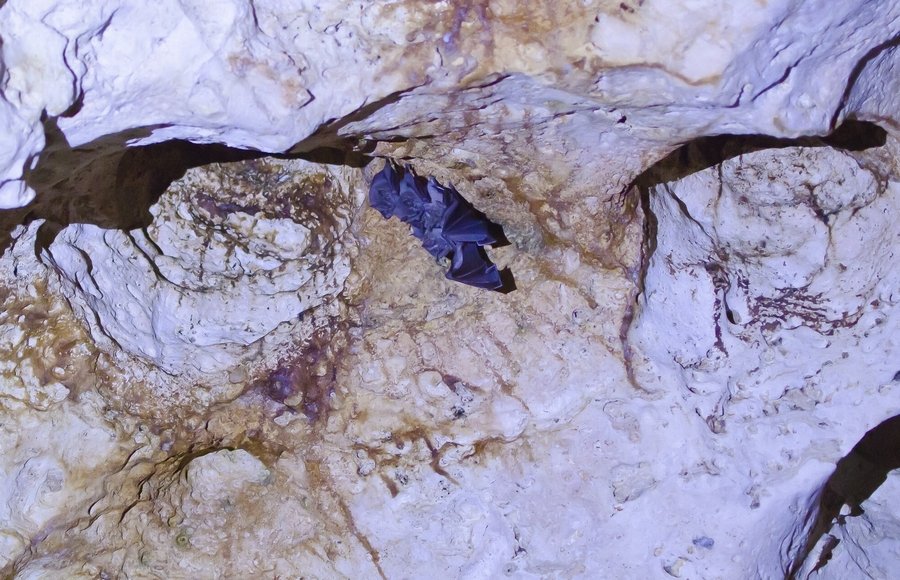
The caves are home to 21 species of bats!
The first known inhabitants of the caves, apart from bats of course, were the Arawak Indians, the indigenous people of the island, as evidenced by finds of pottery and tools for cultivating the land. During British rule of the island, the Spaniards who remained in this part of Jamaica used the caves, and fugitive slaves also took a liking to these natural shelters. Between the world wars, smugglers turned the Green Grotto Caves into a refuge, and during World War II, the Jamaican government hid strategic reserves of rum here.
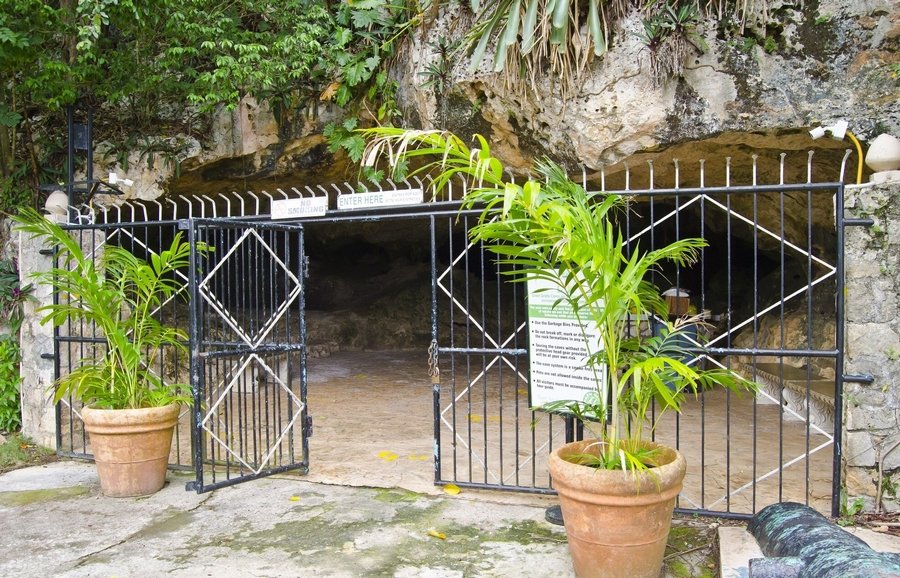
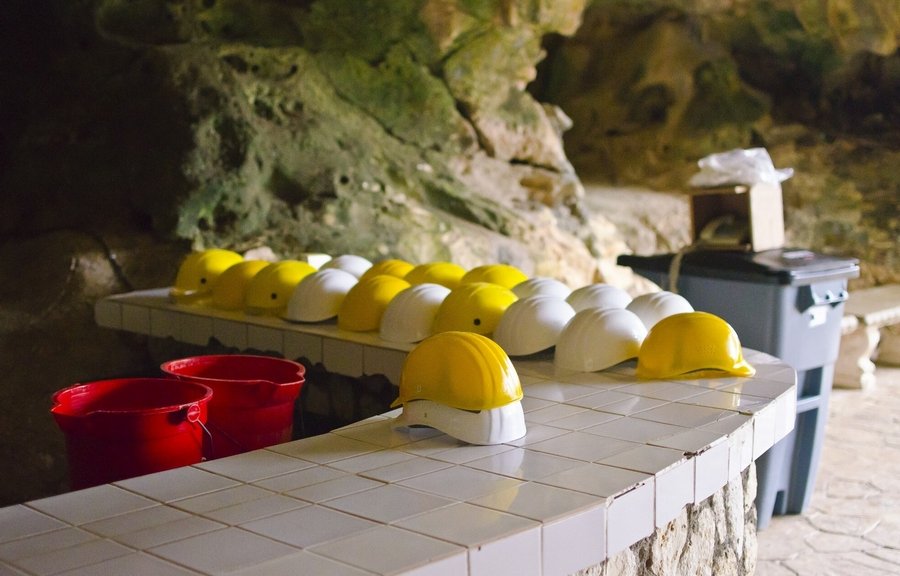
Visitors today enjoy the most civilized access possible, with parking, guides, security, tickets, helmets, warning signs, and directions.
Cinnamon Hill Golf Course
Now we will take you to the Cinnamon Hill Golf Course. Although James Bond often played this aristocratic British game in the movies, this Jamaican location does not actually relate to golf in the plot. The fact is that Cinnamon Hill occupies a huge area, partly covering the former Palmyra sugar cane plantation — more than 5 square kilometers of land that about 250 African slaves cultivated.
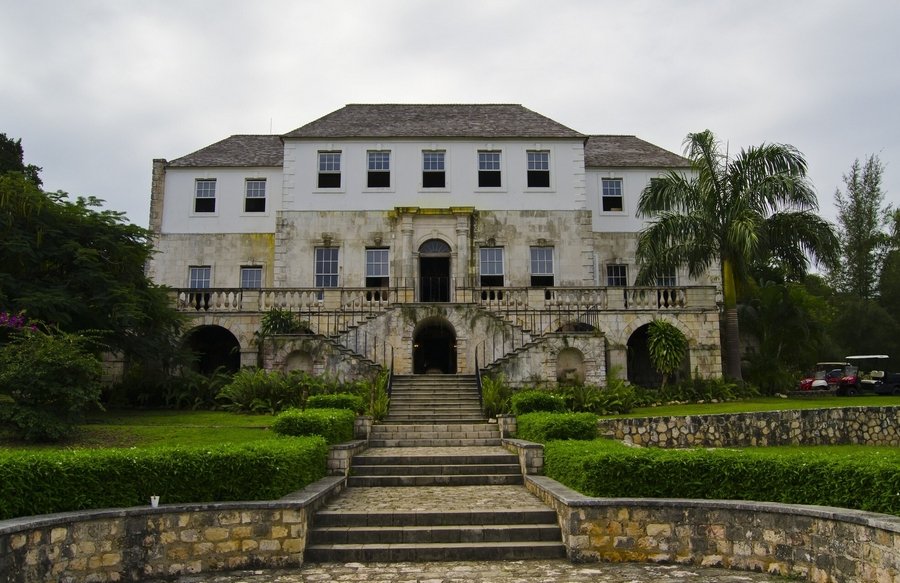
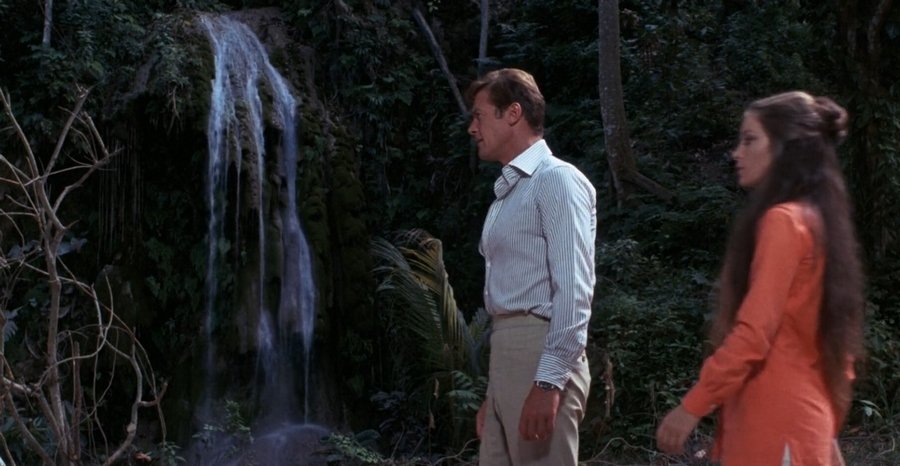
In the plot of Live and Let Die, the heroine Jane Seymour was to be sacrificed in a voodoo ceremony, and the filmmakers chose part of the current golf course as the filming location for an authentic old cemetery. Of course, the graves were fake, but the crew placed them right here. In addition, the vast territory of the field and the former plantation includes real graves, the oldest dating back to 1726. Coupled with the grim history of the Rose Hall plantation mansion (which I will discuss in the following parts), everything looks logical.
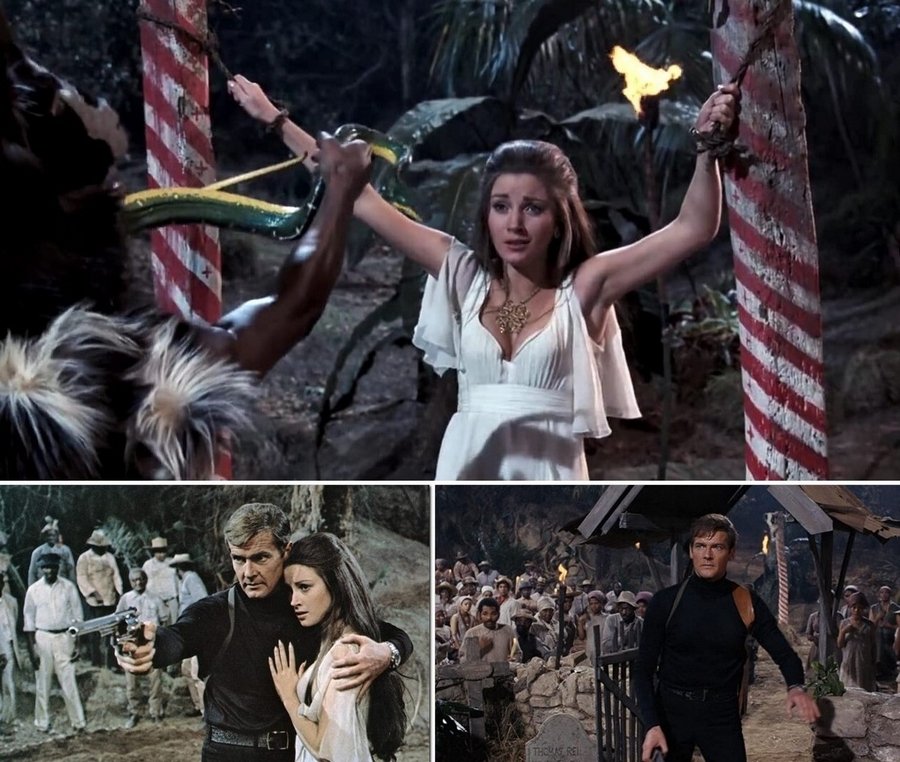
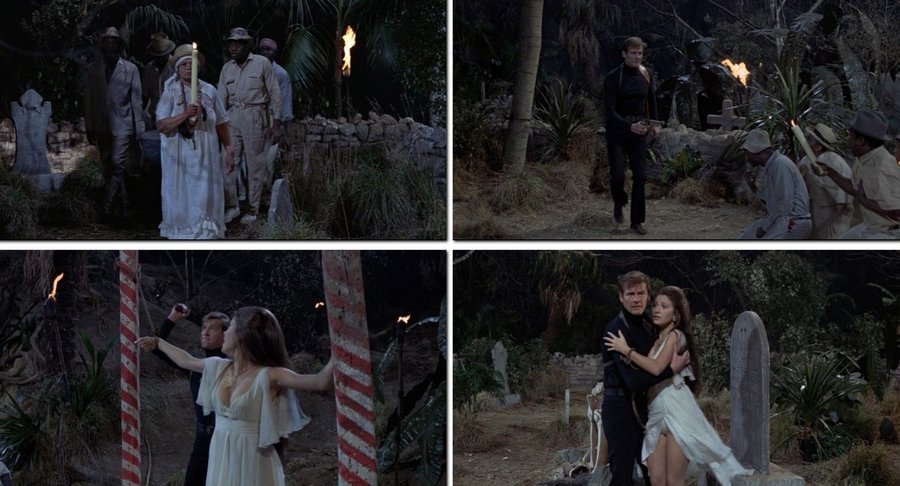
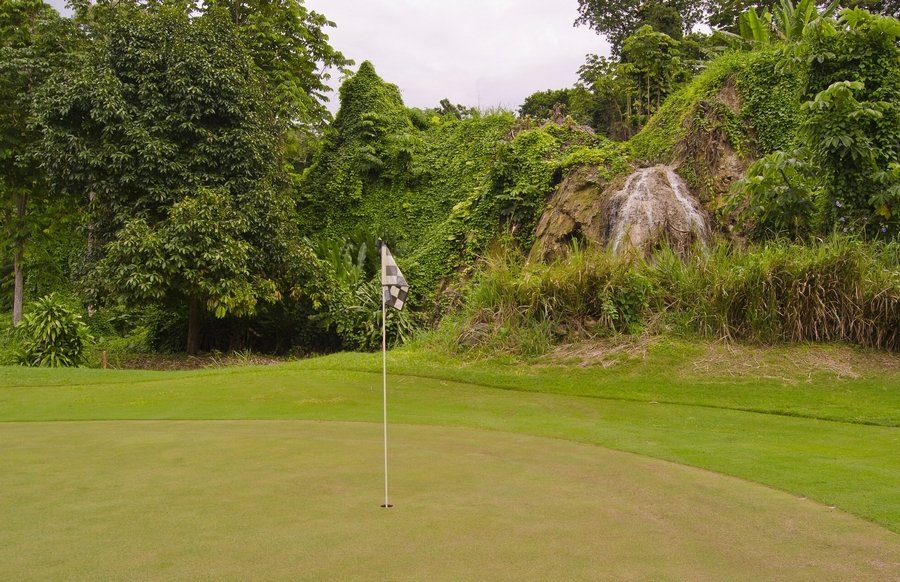
Today, the sun drenches this golf course, and it is hard to believe that they filmed such dark scenes here.
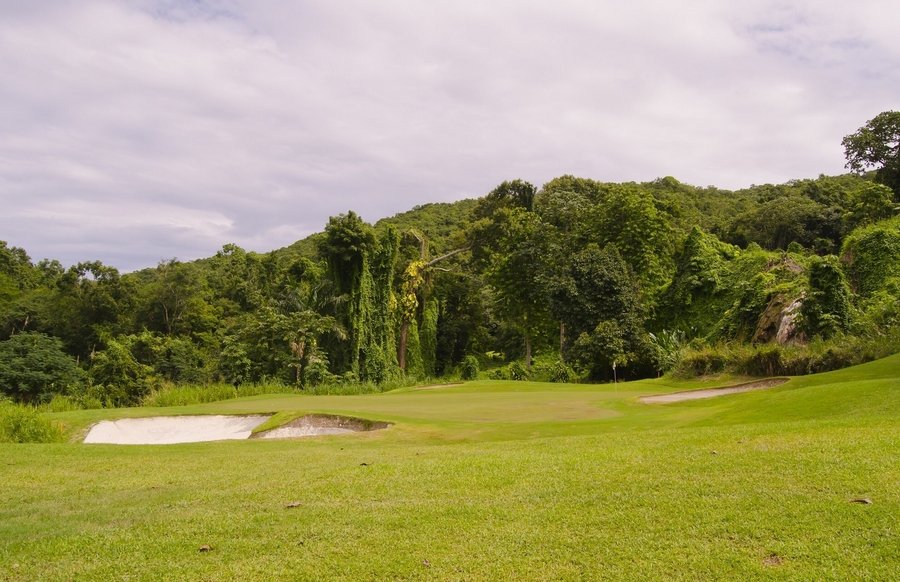
Only the distinctive waterfall (hidden on the right in the photo above) gives away the location.
Here it is in the film:
Since we were on the golf course, it would have been a sin not to play. Let’s go! But that was not to be, as I suddenly found myself not meeting the dress code.
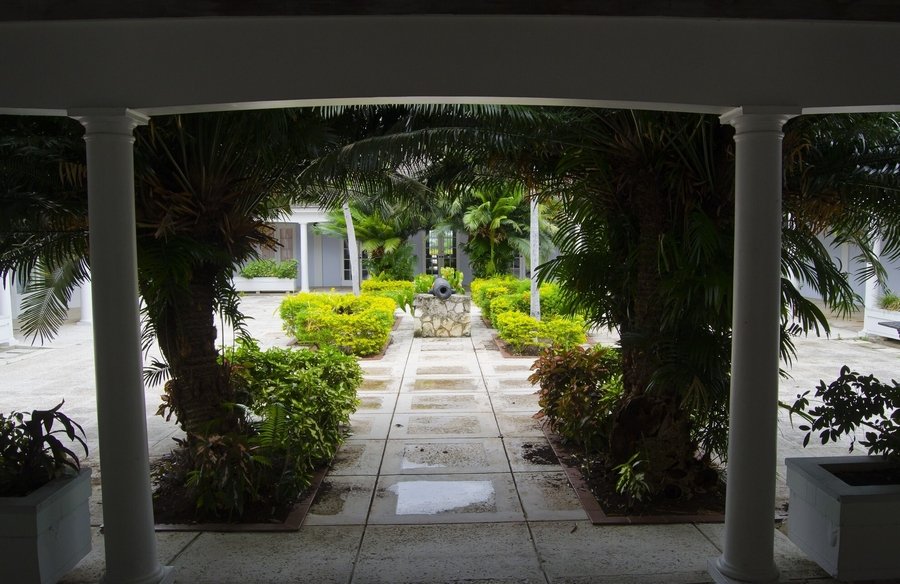
The entrance to the golf club greeted me not only with a formidable security guard, but also with a strict manager. He categorically disliked my cargo shorts and T-shirt. The only thing that elicited an “Hm-m-m, well, it is OK” was my sneakers. What can you do? Golf is a game steeped in tradition, so I had to go change. Fortunately, I was already staying at another hotel, the Jewel Grande, just a stone’s throw away.
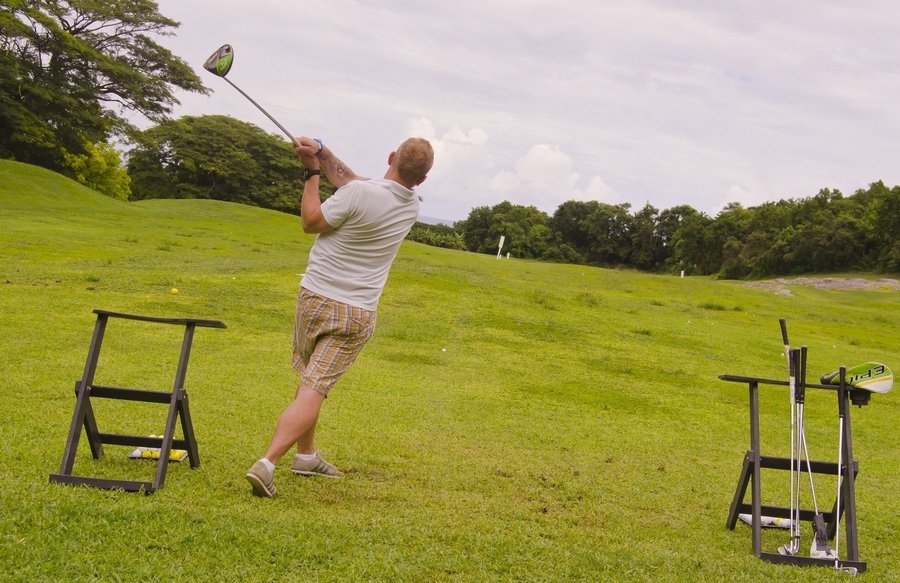
I had very little experience playing golf — I took a lesson in Turku, Finland, nine years ago. I had to learn everything all over again, and on a practice range next to an ancient aqueduct! As I mentioned, the golf course used to be part of the Palmer family plantation, and the plantation workers once used the aqueduct to transport sugar cane from the upper fields. Today, it simply enlivens the landscape and adds a touch of charm to an already exciting activity.
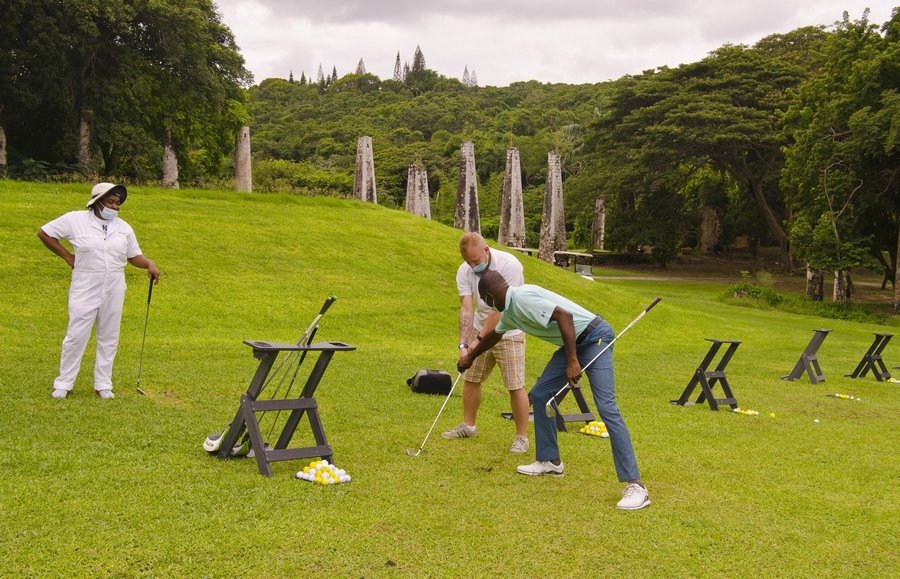
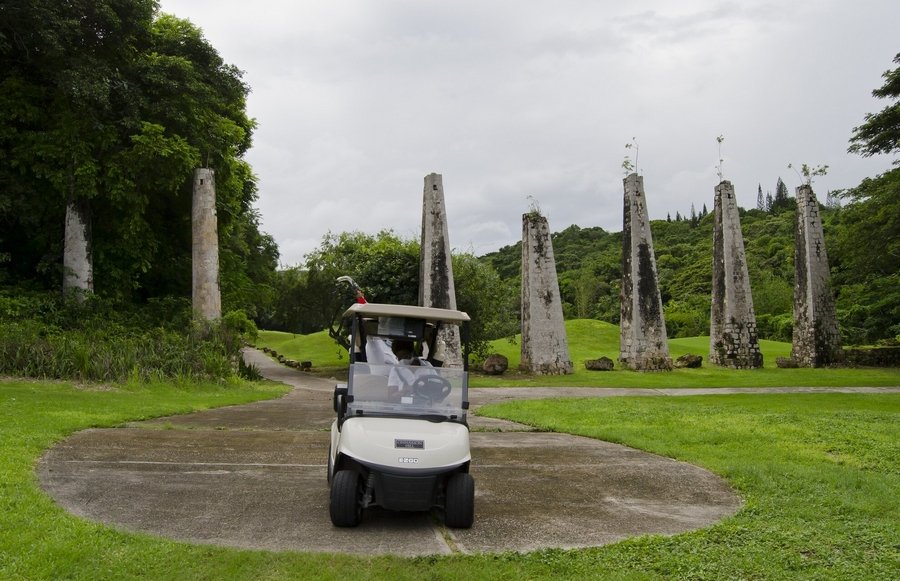
I compiled my attempts at golf into a separate video:
If you don’t know how to play golf, I recommend taking a lesson. At the very least, the instructors will teach you how to swing, explain which clubs you should use in different situations, and most importantly, you will gain a new and unusual life experience that surely not everyone in your circle has had. And why not just enjoy the gorgeous views?
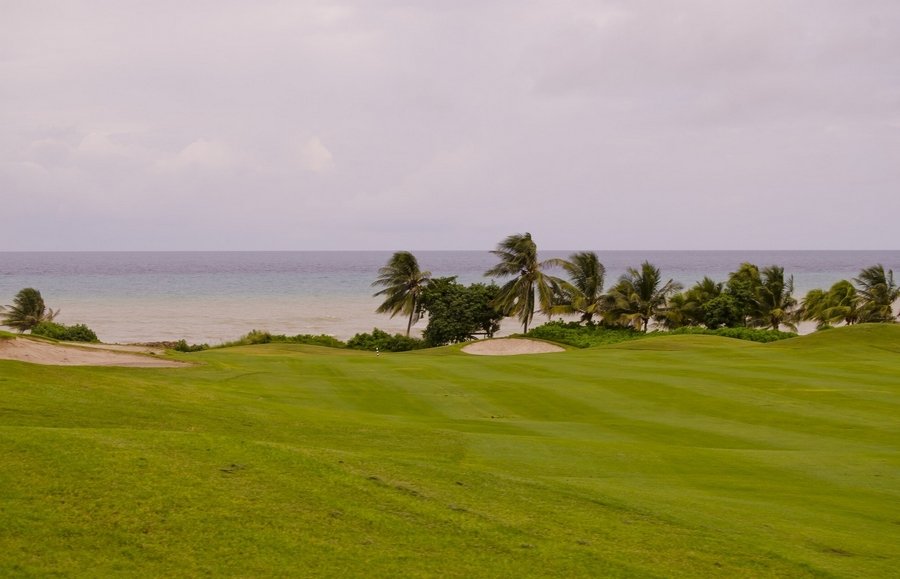
Also, while cruising around Cinnamon Hill in a golf cart, you might suddenly (or intentionally) come across Johnny Cash’s house near Rose Hall. In the next parts, I will tell you how this happened and what connected the country legend with Jamaica.
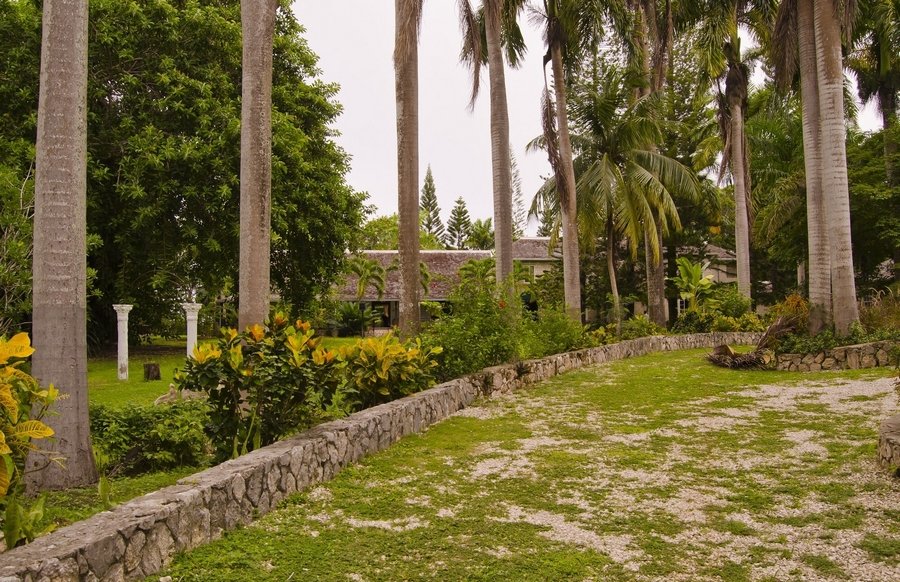
Continuing the theme of Agent 007: the location with a waterfall, gorgeous in itself and playing a role in the film, is located near the 15th green. When I got there, a local golfer was already trying to get the ball into the hole against the backdrop of the falling water.
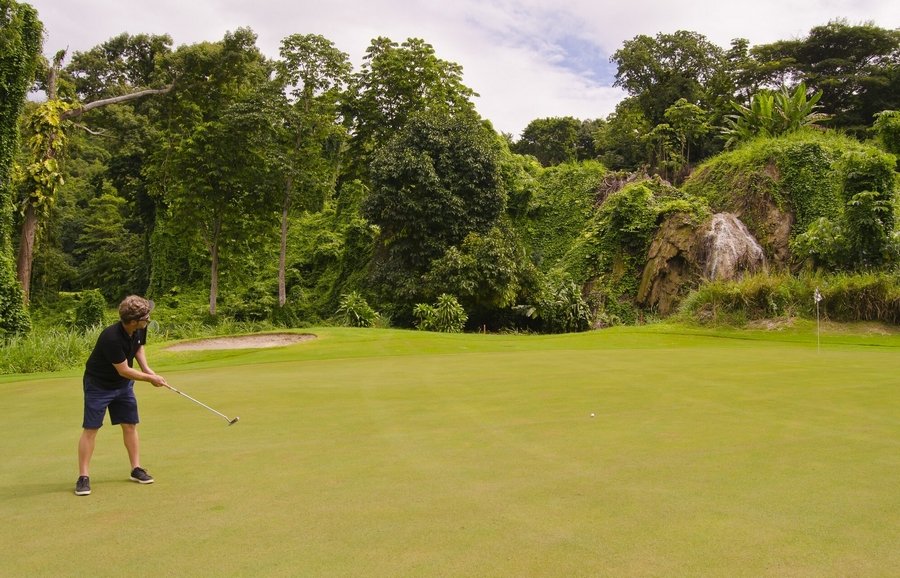
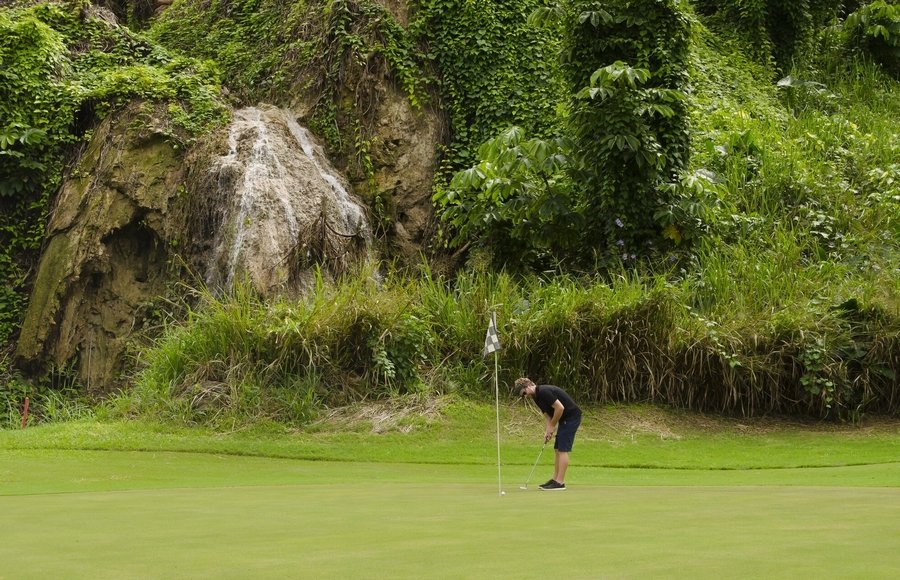
He succeeded on his second try. Thanks to my teachers, I immediately showed him how it’s done. True, from a closer distance.
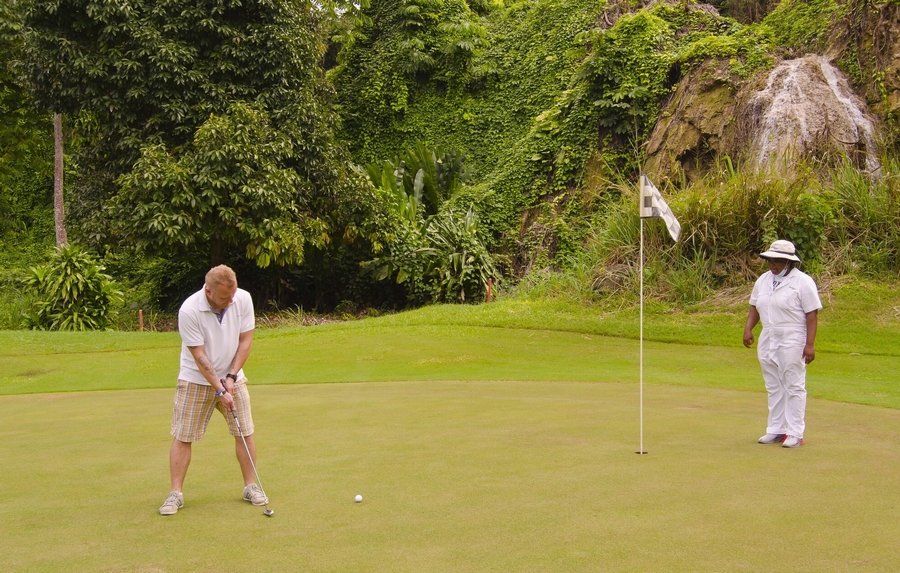
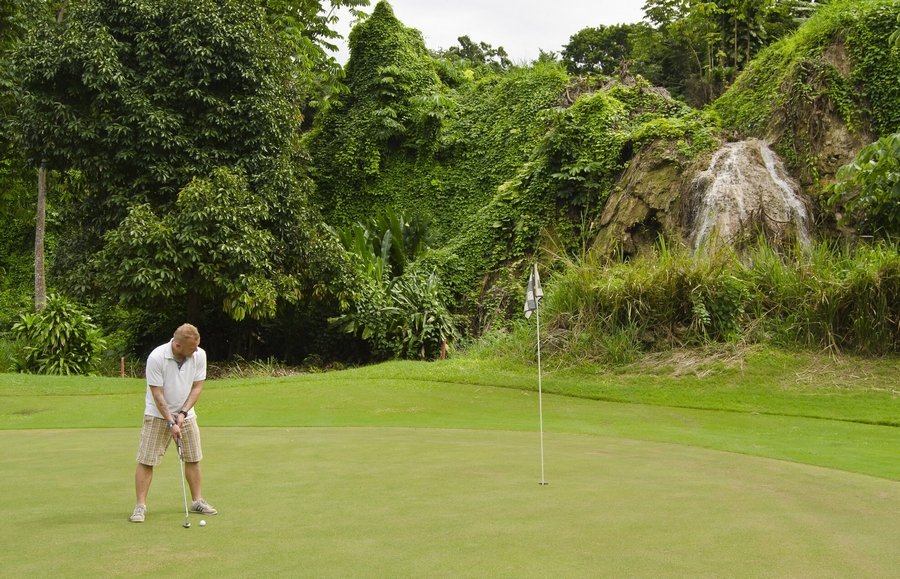
Where else were James Bond films shot in Jamaica?
This concludes my tour of James Bond film locations in Jamaica. But yours can easily continue. Below are some places I didn’t have time to visit.
Dr. No, 1962
- Morgan’s Harbor in the Port Royal area of Kingston — Bond’s arrival and meeting with local agents.
- Liguanea Club, New Kingston — the murder of Agent Strangeways.
- King’s House — the scene with the driver.
- White River east of Ocho Rios — Bond, Honey, and Quarrel crossing the river.
- Reynolds Bauxite Pier west of Ocho Rios — Dr. No’s laboratory.
- Kingston Airport — Bond’s arrival scene.
Live and Let Die, 1973
- Jamaica Swamp Safari — scene with crocodile jumping and swamp chase. Located near the town of Falmouth. Fun fact: the owner of the crocodile farm was named Kananga, and instead of a stuntman, he performed the stunts with jumps over crocodiles, receiving many scars in the process of filming. The main villain of the film was named in his honor. Farm workers also appeared in the film.
- Half Moon Resort, a hotel in the vicinity of Montego Bay, was used as Bond’s hotel in the film.
- Couples Sans Souci Resort in Ocho Rios is another hotel in the same film, but it played the place where Bond bought a set of tarot cards. At one time, one of the rooms — D20 — was dedicated to Roger Moore because he lived there during filming, but during the hotel’s renovation, the corresponding inscription on the room disappeared.
- The Ruins restaurant near Ocho Rios is the scene of Baron Samedi’s dance.
- Hampden Shipyard in Falmouth is the scene where Bond and his girlfriend transfer from a stolen double-decker bus to a boat and hide from their pursuers. Other scenes with the bus were filmed in the city itself.
No Time to Die, 2021
- Kingston Port — not only a port, but also one of the locations where Bond 2021 was filmed, in particular the hero’s arrival in Cuba.
- CMA CGM container terminal in Kingston — scenes with a seaplane and a container ship. The container company CMA CGM acted as a sponsor and partner, and also sent its employees to the shoot.
- The Cuban military base was played by the Boundbrook shipyard in the vicinity of Port Antonio.
- The peaceful life of the retired Bond took place in Coco Walk, on the coast of San San Bay, not far from Port Antonio. This is private property, but I was assured that it is possible to walk down to the beach from the road.
- Several scenes were shot in the city itself, for example, at the intersection of West and Williams Streets, in a place known as Market Square. There is also an obelisk dedicated to the citizens of Portland County who gave their lives during the world wars.
- Piggy’s Jerk Centre is not only a place to enjoy delicious spiced chicken, a local specialty, but also the location where the latest Bond film was shot. Both actor Daniel Craig and his film crew ate at this café, and it appears in a scene where Agent 007 leaves a nightclub and his car won’t start. After filming ended, there was a fire at the establishment, and the actor and his fellow cast members helped raise funds for its restoration.
How do you feel about the 007 films? It would be great if this information is useful to anyone who is a fan of Bond. It would also be great if you could share the locations of James Bond films that you have visited, or at least locations from popular films.