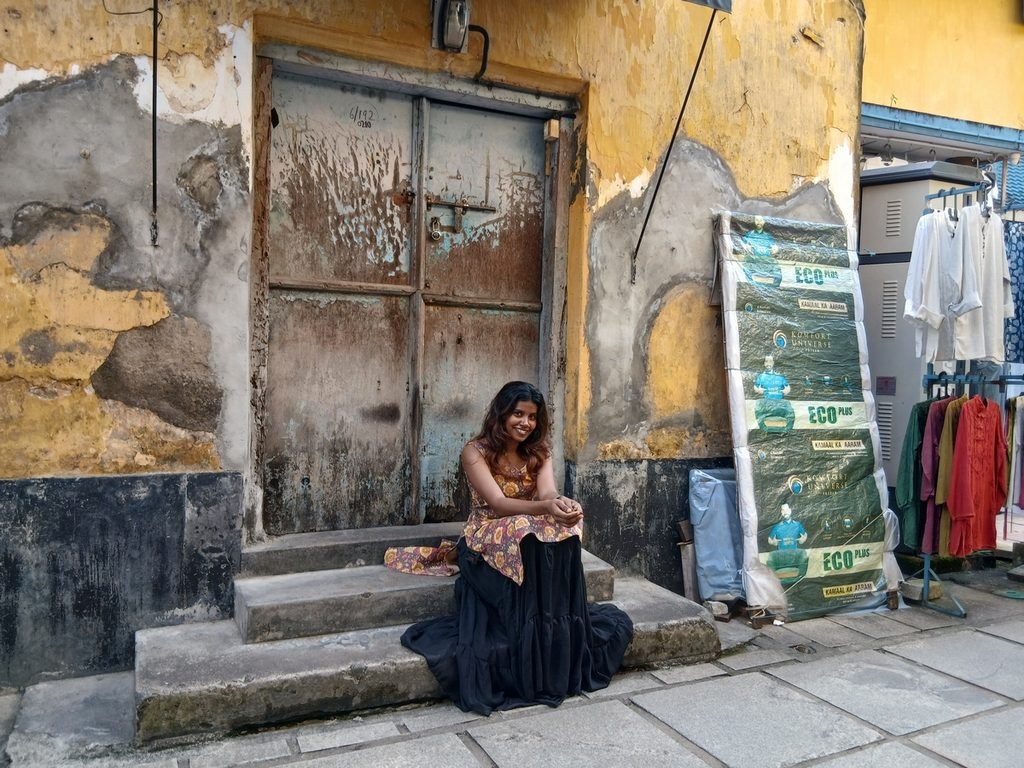
Vasco da Gama’s Empty Tomb, the Dutch Cemetery, 500-Year-Old Fishing Nets, a Three-Nation Colony, the Water Metro, and India’s Oldest Jewish Community.
- The City of Spices and Colonies
- So what’s the story with the Jews?
- Vasco da Gama’s Empty Tomb
- Other Temples in Kochi
- What about the Dutch?
- Kochi’s Water Transport
- Chinese Fishing Nets
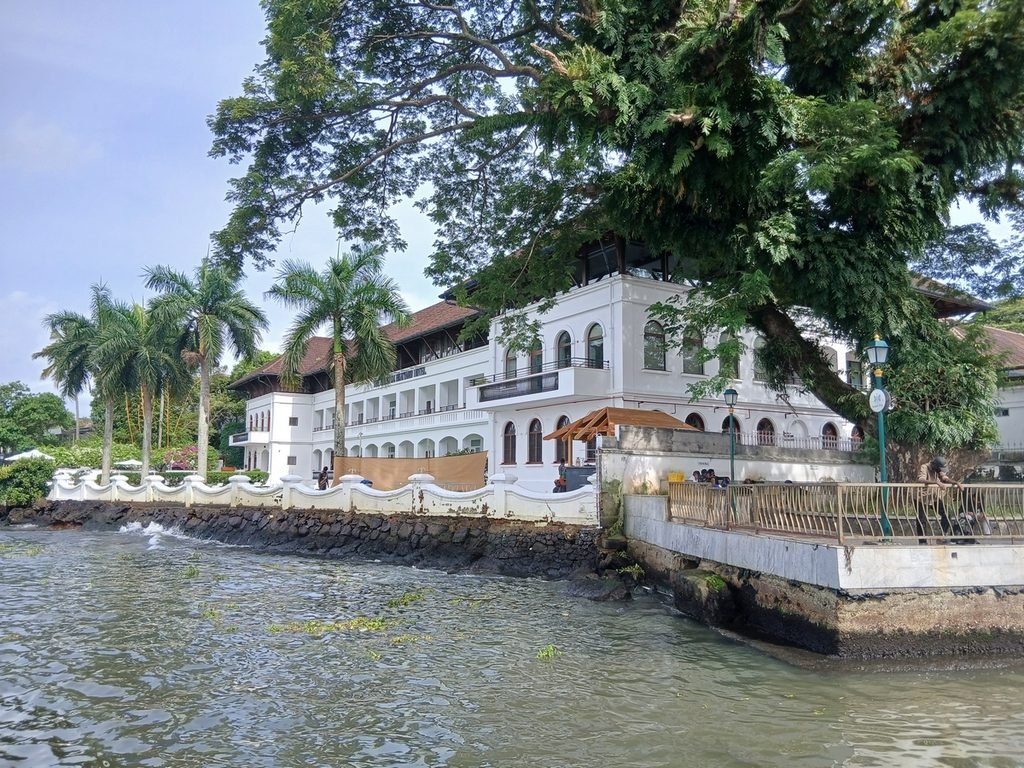
Did you know that Vasco da Gama wasn’t buried in Portugal at all? And that Kerala’s famous postcard-worthy fishing nets are called “Chinese” and are 500 years old? Or that Kochi is home to India’s oldest Jewish community, dating back to the time of King Solomon?
In short, Kochi—or Cochin, as it was officially known until 1996 and as many still call it today—is full of surprises. Especially if you’re a tourist unfamiliar with the history and know only that it’s one of India’s largest ports.
The City of Spices and Colonies
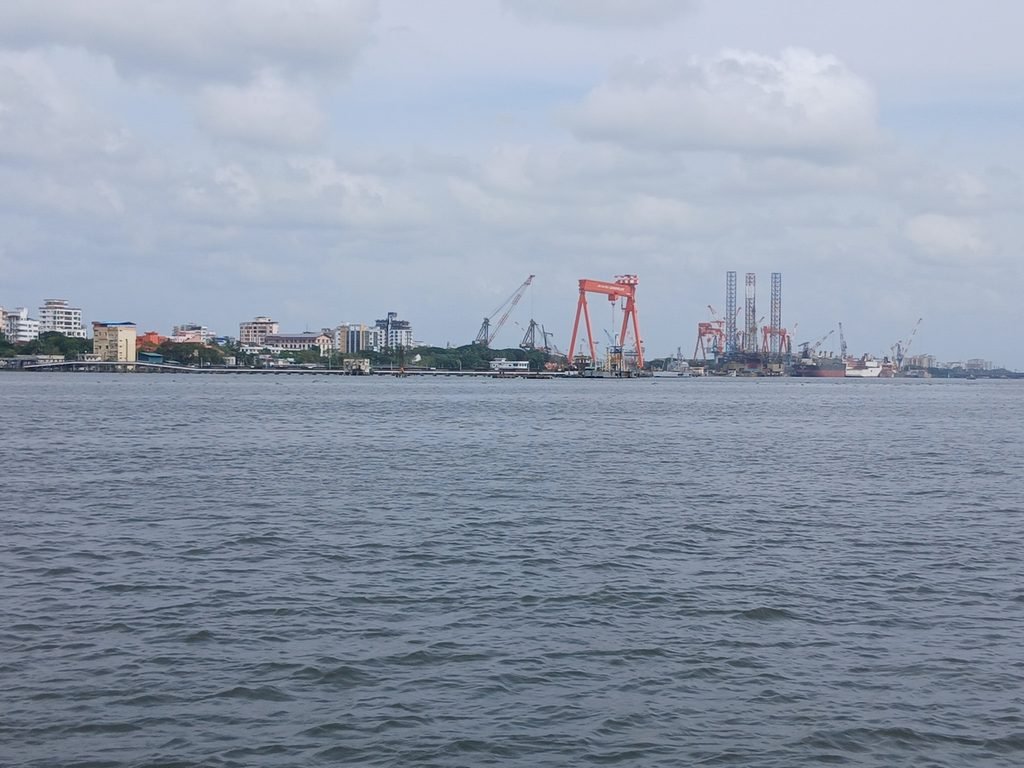
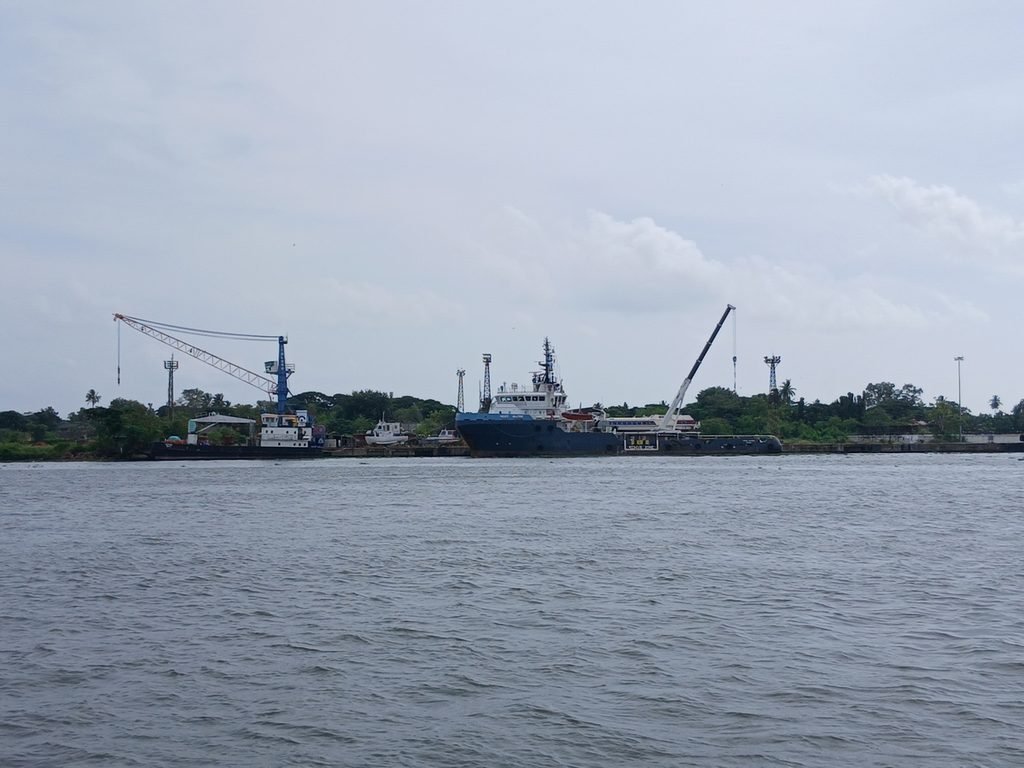
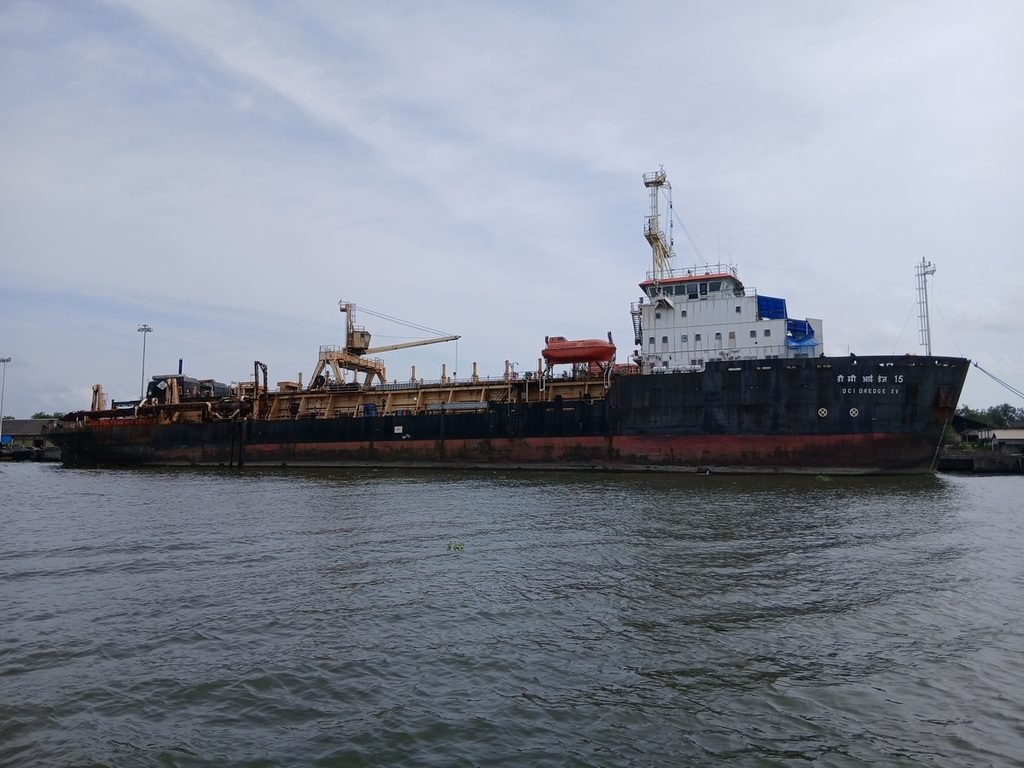
Kochi grew as a trading port on the Malabar Coast, where the sea routes of India, Arabia, and China have intersected for centuries. Merchants were drawn primarily by local spices—pepper, cinnamon, cardamom, and cloves. Incidentally, the locals still use the place name “Malabar”—this emphasizes that they belong specifically to the coastal part of Kerala. Many cafes, hotels, and other businesses capitalize on this name.
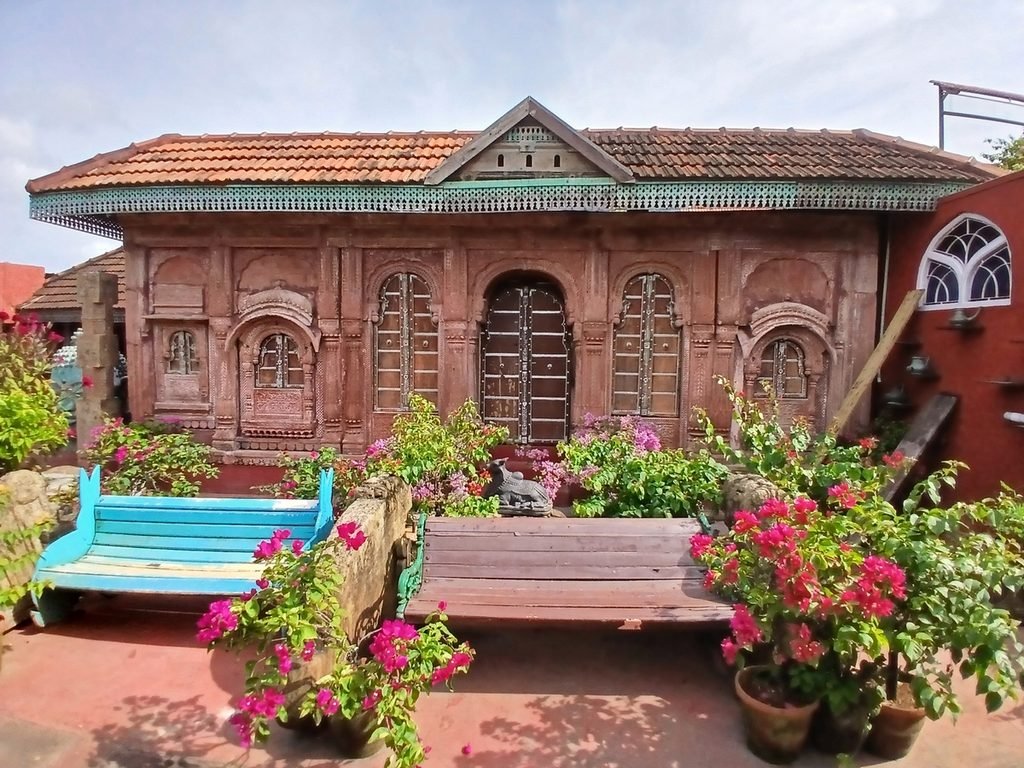
The city developed particularly rapidly after the severe flood of 1341, when the course of the Periyar River changed and a convenient harbor was formed. Just imagine how powerful that flood must have been—it’s scary to think about. I wonder what it was like before that.
At the end of the 15th century, Europeans arrived here, and Kochi’s history became closely intertwined with colonial expansion—by three (!) different countries, no less—which inevitably shaped the city’s eclectic character.
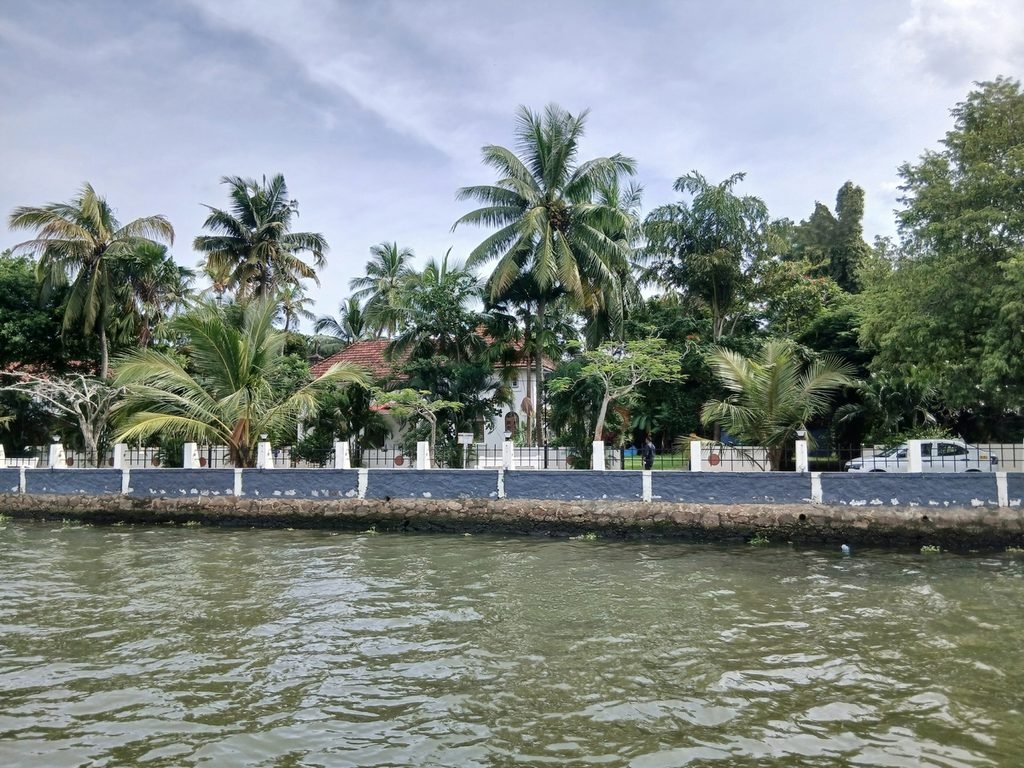
In 1500, the Portuguese arrived here, and as early as 1503, they built Fort Emmanuel, which gave the Fort Cochin district its name. The Portuguese transformed the small settlement into an important commercial and military center, building churches and residential neighborhoods.
In 1663, they were ousted by the Dutch. The Dutch rebuilt the city and its fortifications, and many of the surviving buildings in Fort Kochi date back to the Dutch period or bear its architectural influence—this is clearly evident.
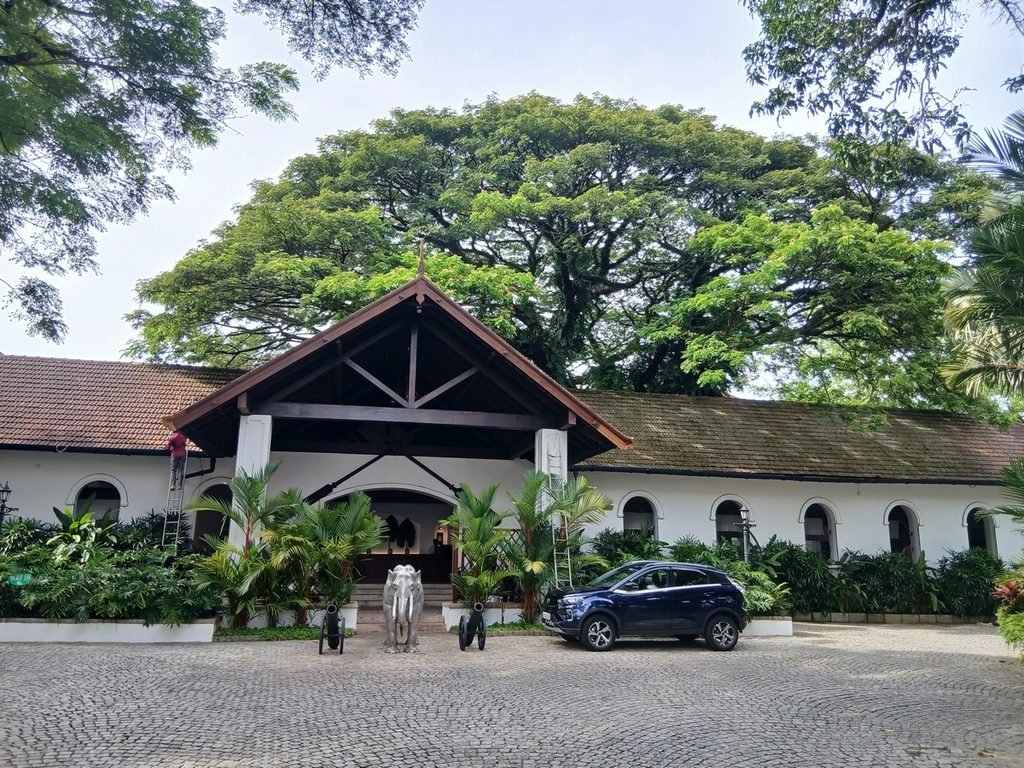
In the late 18th century, Kochi came under British influence. Under British rule, the city retained its status as a major port and trading center, and its architecture took on the distinctive features of the Indo-European style.
After India gained independence in 1947, the colonial era came to an end, but its traces remain literally on the streets of Fort Kochi and Mattancherry.
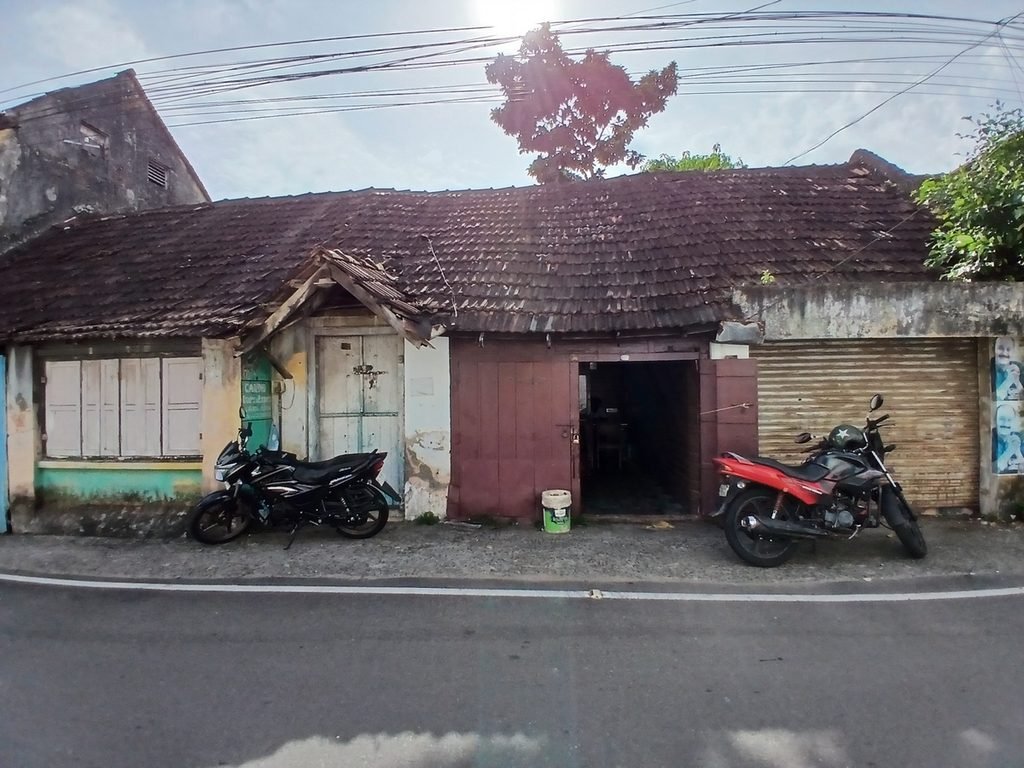
Today, Old Kochi is fascinating precisely because of this blend of cultures. Portuguese churches stand alongside a Dutch cemetery and colonial bungalows; the Jewish quarter neighbors the Maharaja’s palace; and the famous Chinese fishing nets serve as a reminder of even more ancient trade ties.
Fort Kochi is best explored on foot, but tuk-tuks will try to get your attention. However, for 100–200 rubles, they can take you between locations and wait patiently, so maybe it’s not such a bad deal after all.
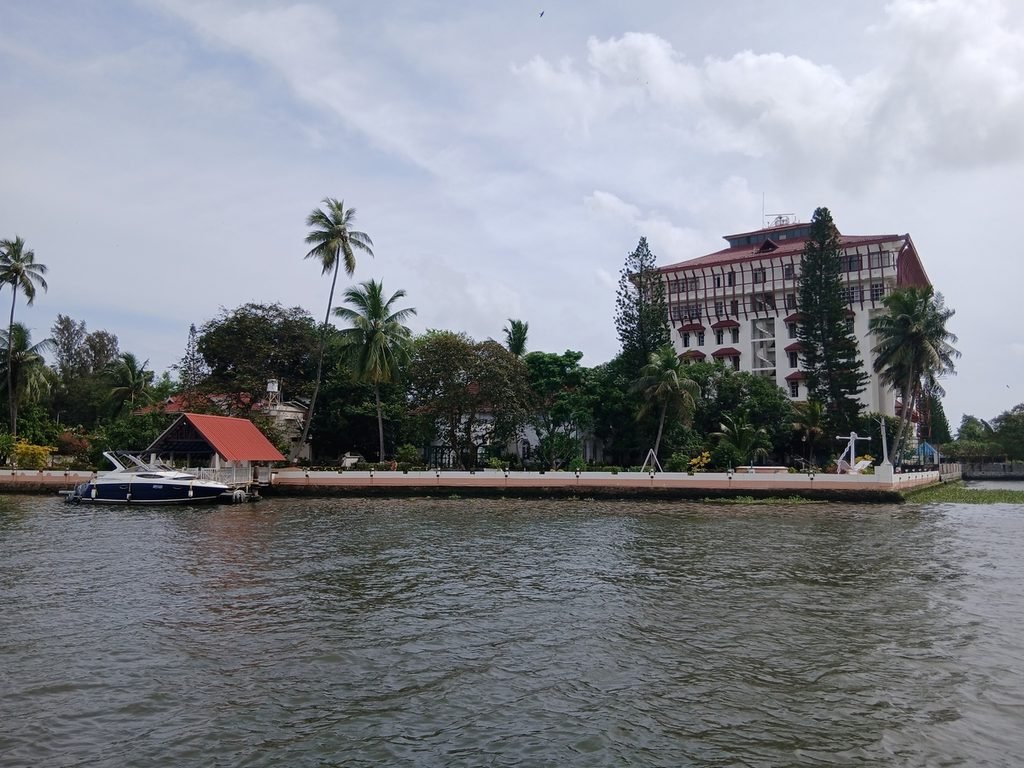
So what’s the story with the Jews?
We have a more or less clear understanding of colonial policy in this region. But the Jewish community of Kerala is one of the oldest Jewish communities in all of India.
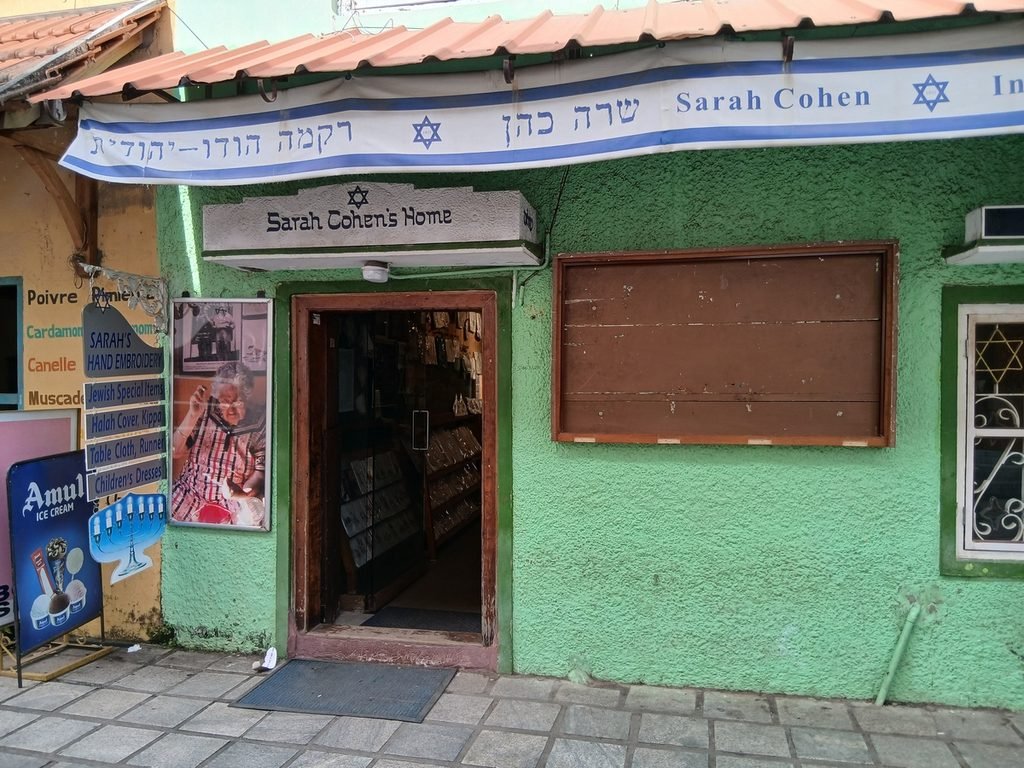
The exact circumstances of its origins are unknown: there are legends about Jews settling on the Malabar Coast as far back as the time of King Solomon, but reliable written records date to a later period. One of the community’s earliest centers was the ancient port of Kodungallur, and later a significant portion of the Jews moved to Cochin, to the area of present-day Mattancherry and Fort Cochin.
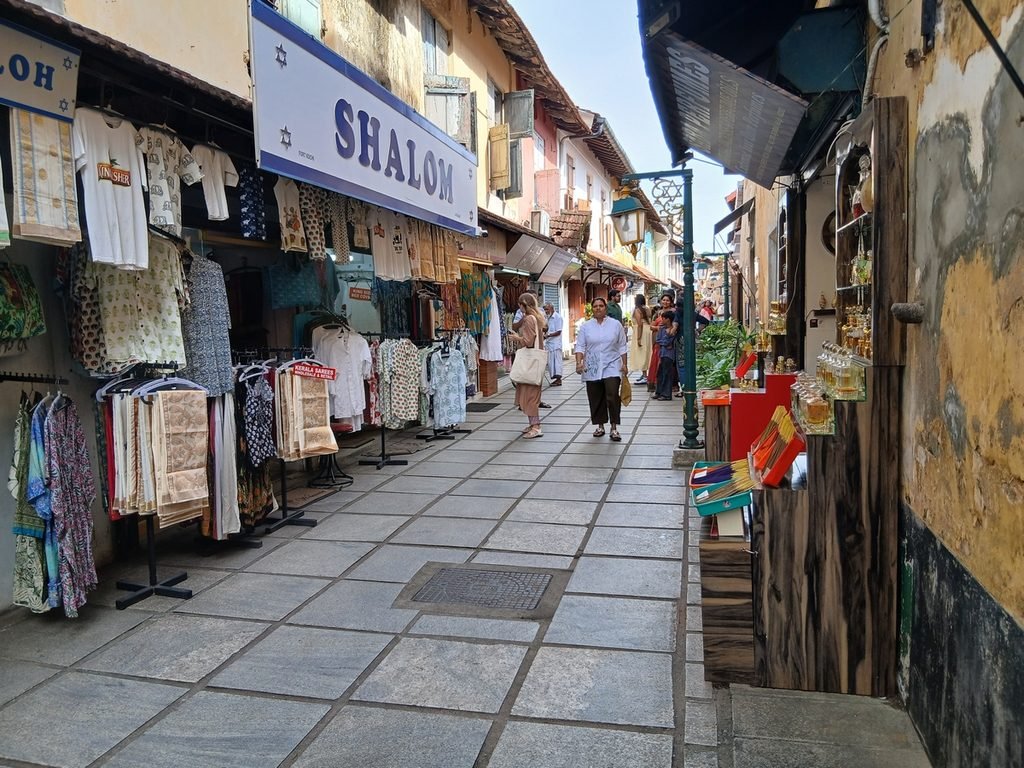
And there’s more: in the 16th century, following the expulsion of Jews from the Iberian Peninsula, Sephardic settlers from Spain and Portugal arrived in Kerala. They were called Paradesi—“foreigners.” As a result, two main groups gradually emerged in Cochin: the older community of Malabar Jews and the Paradesi who arrived later. Differences in their origins and social status persisted for a very long time.
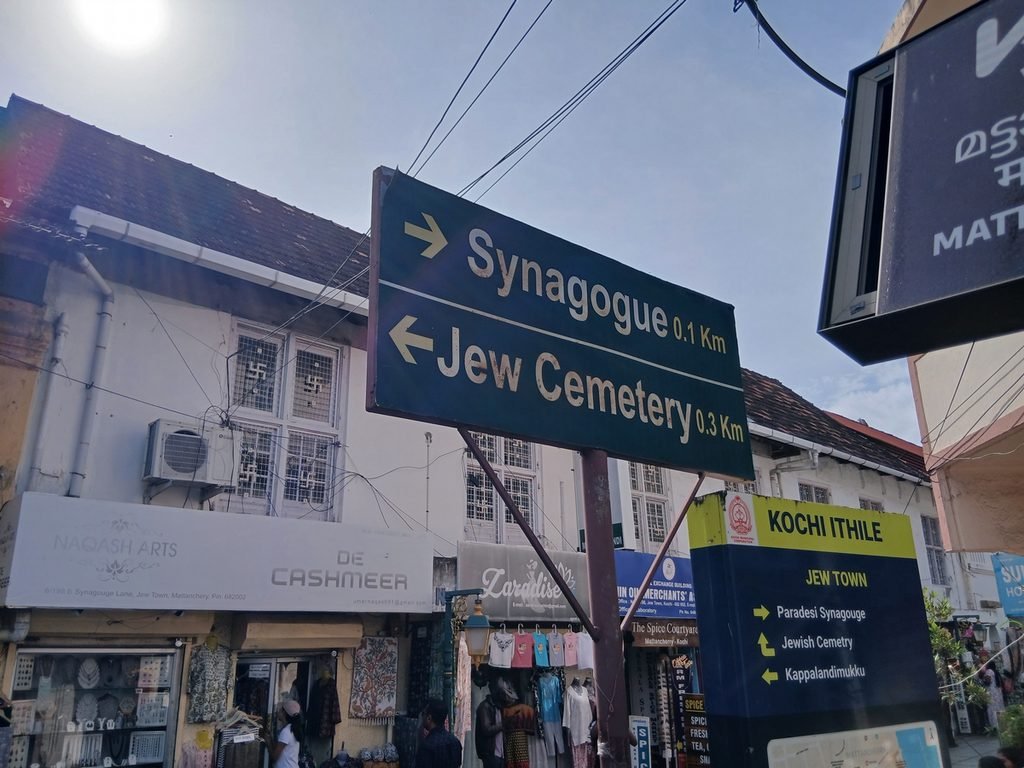
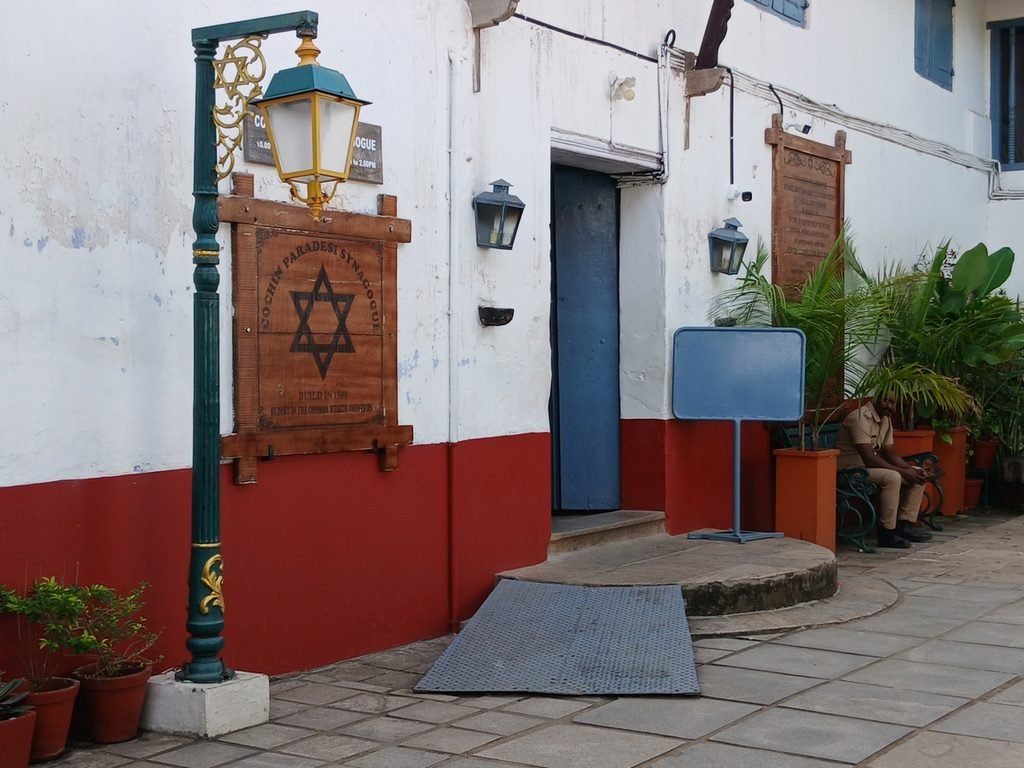
The main remnant of this history survives in Mattancherry, home to the Paradesi Synagogue, built in 1568. It stands next to the Mattancherry Palace and gave its name to the Jewish quarter—Jew Town. Alas, it was Friday evening, and what Jew would be working at that hour? I could only look at it from the outside.
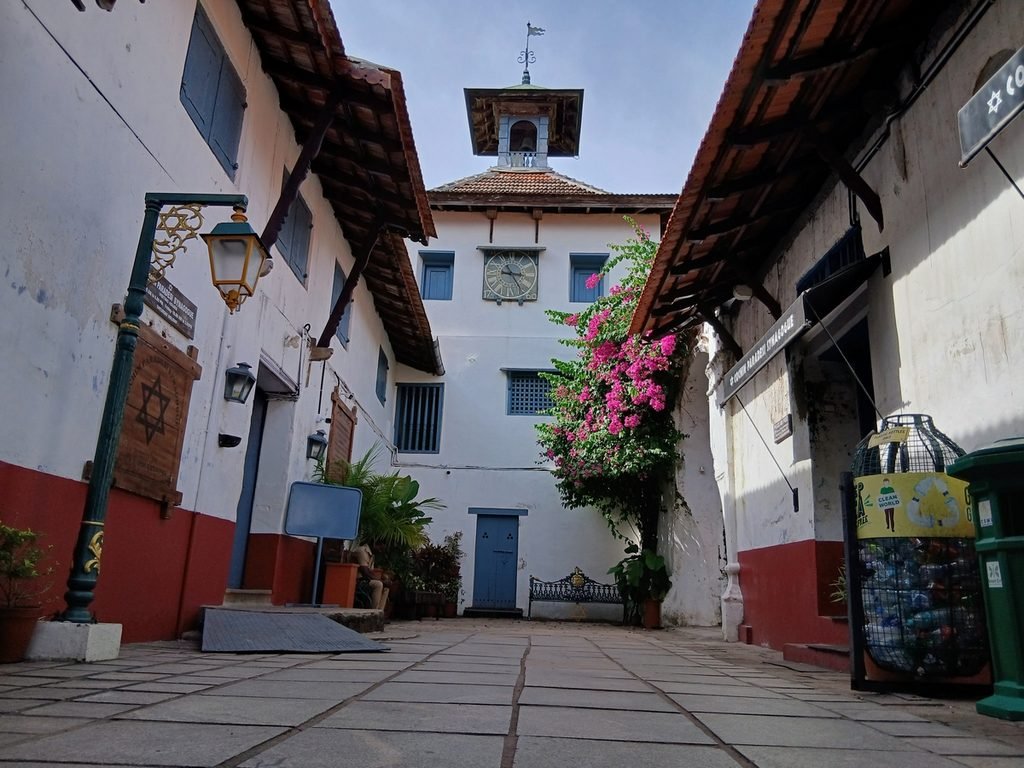
It’s a shame, because the synagogue is famous for its 18th-century Chinese porcelain tiles, Belgian chandeliers, an antique pulpit, and a clock tower dating from 1761. Its grounds also house an ancient copper plaque associated with the privileges granted to the Jewish community by local rulers.
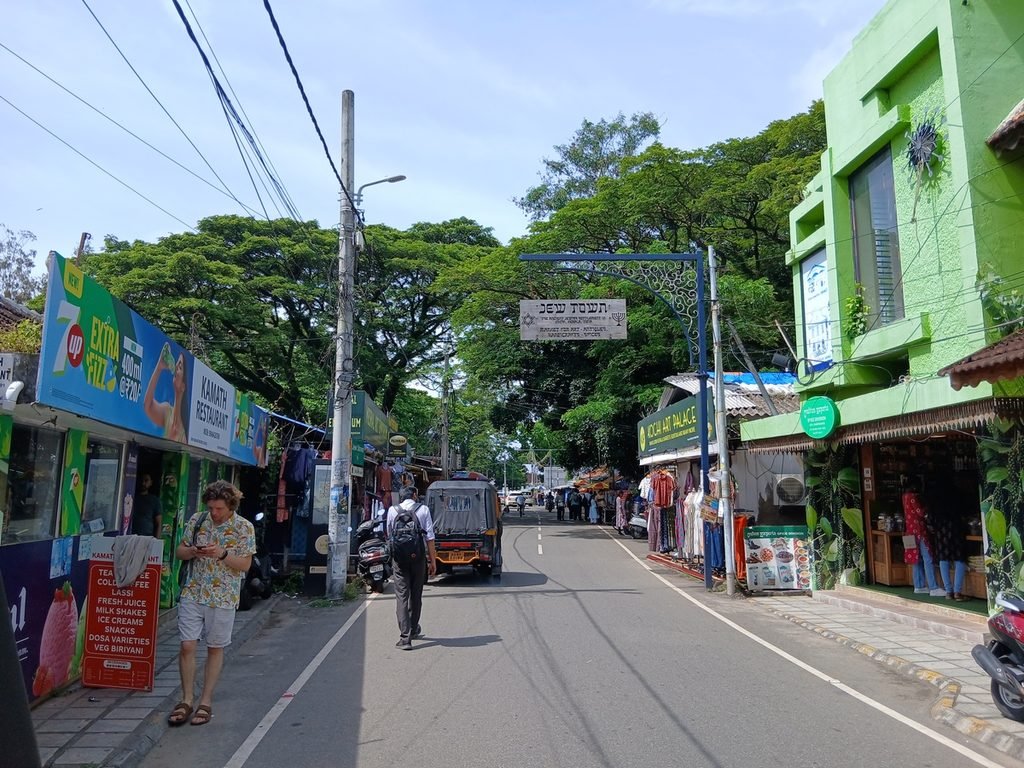
After the establishment of Israel, most of Kerala’s Jews moved there, so today the Jewish community of Cochin numbers only a few people, and the Paradesi Synagogue remains the main surviving monument to the Jewish presence in the city. Other synagogues in Kerala have been partially preserved or restored as museums.
Vasco da Gama’s Empty Tomb
It may not be empty, but the great navigator isn’t there—though he was here for a time. In 1502, Vasco da Gama established the first trading post in India, went about his business, and 22 years later died right here in Kochi. It happened on Christmas Eve, as a plaque in the Church of St. Francis—where the explorer was buried—tells us.
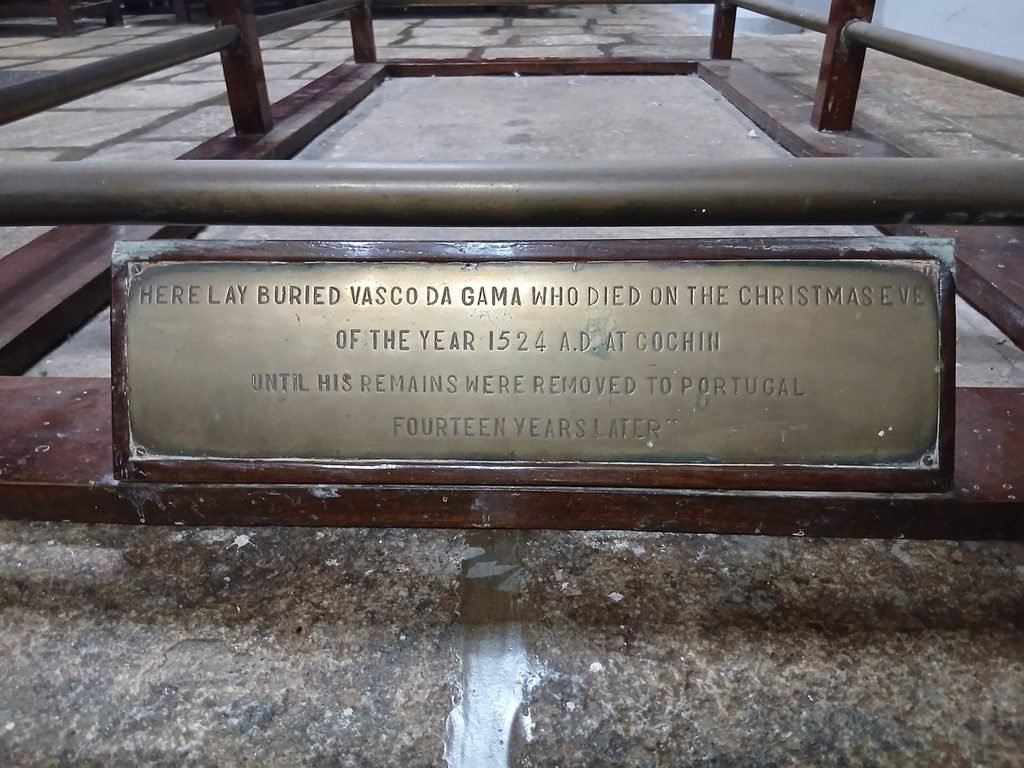
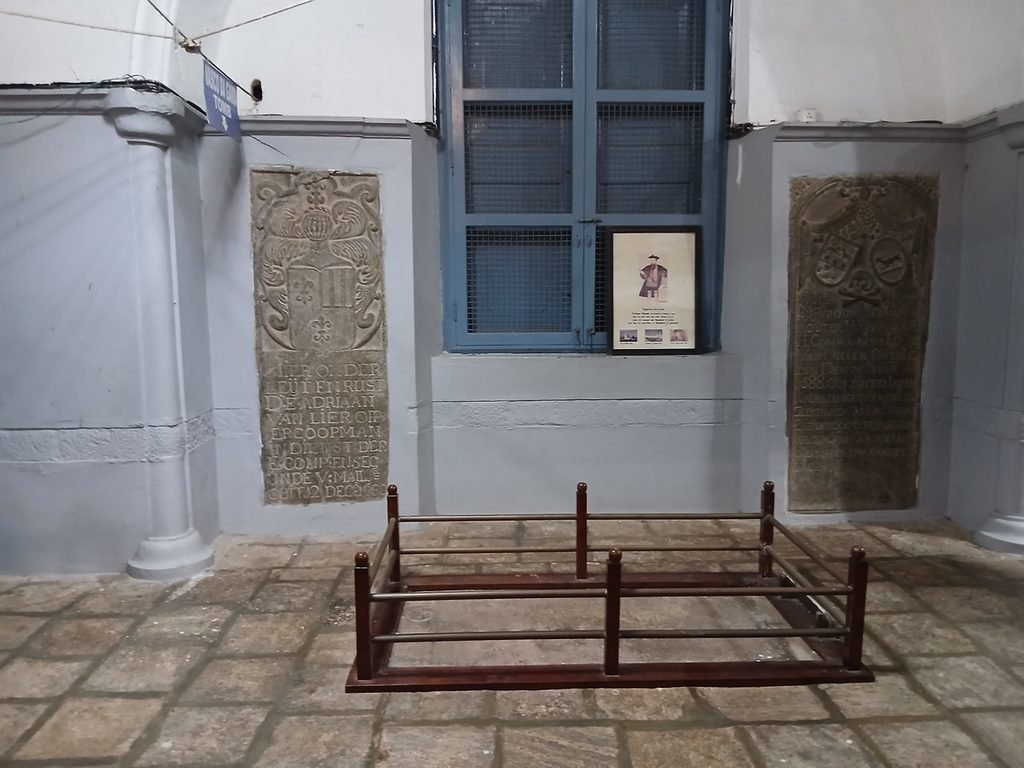
Fifteen years later, Vasco da Gama’s remains were transported to Portugal, though they weren’t buried there on the first try—in 1539, he was laid to rest in the Alentejo region, and in 1880, he was reburied at the Jerónimos Monastery near Lisbon, in the Belém district. This is his third grave; I was there in 2017.
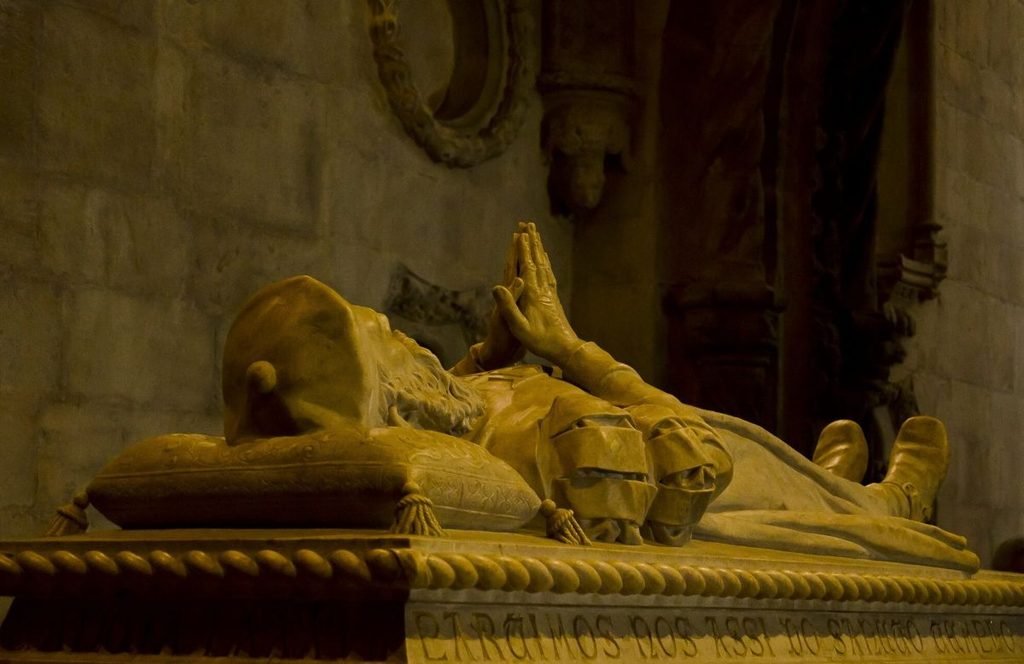
But! The church is absolutely stunning! Just look at the roof from the inside—it’s literally the hold of a ship. And take a look at these “sails,” which are there for a reason—not just for aesthetics at all. I asked a church attendant—he confirmed my guesses: these are fans from a time when there were no air conditioners, or even electric fans.
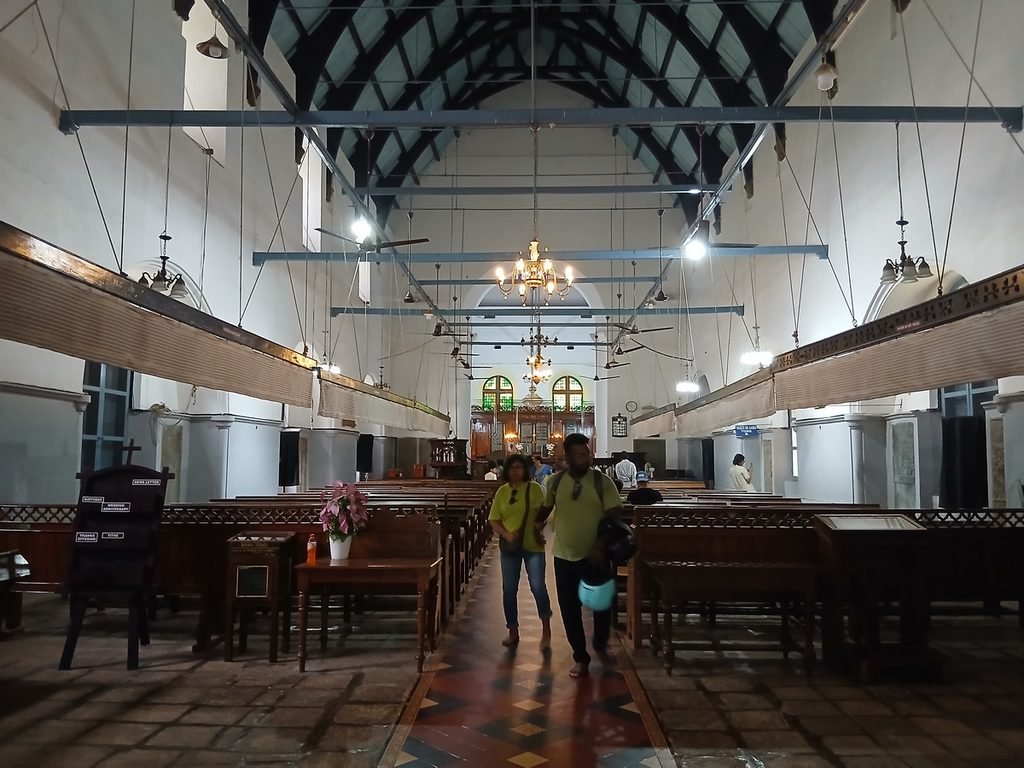
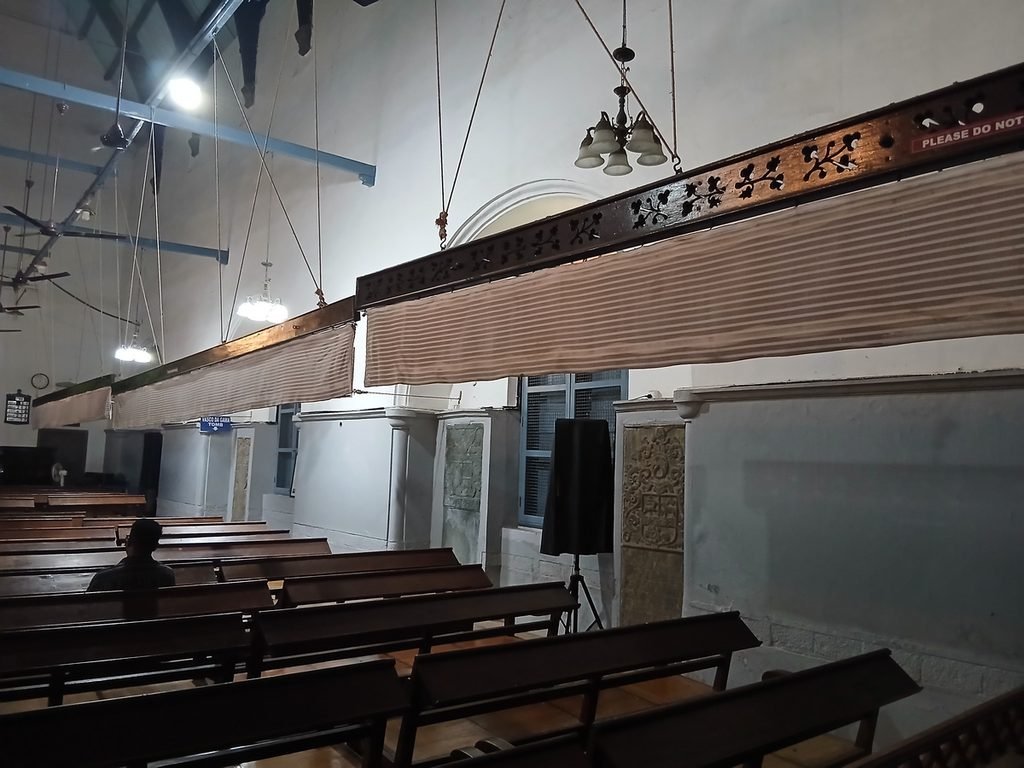
St. Francis Church is one of the oldest churches built by Europeans in India. It was constructed in 1503 following the arrival of Portuguese Franciscan monks in Kochi. In 1616, it was reopened and dedicated to St. Anthony—the patron saint of Portugal.
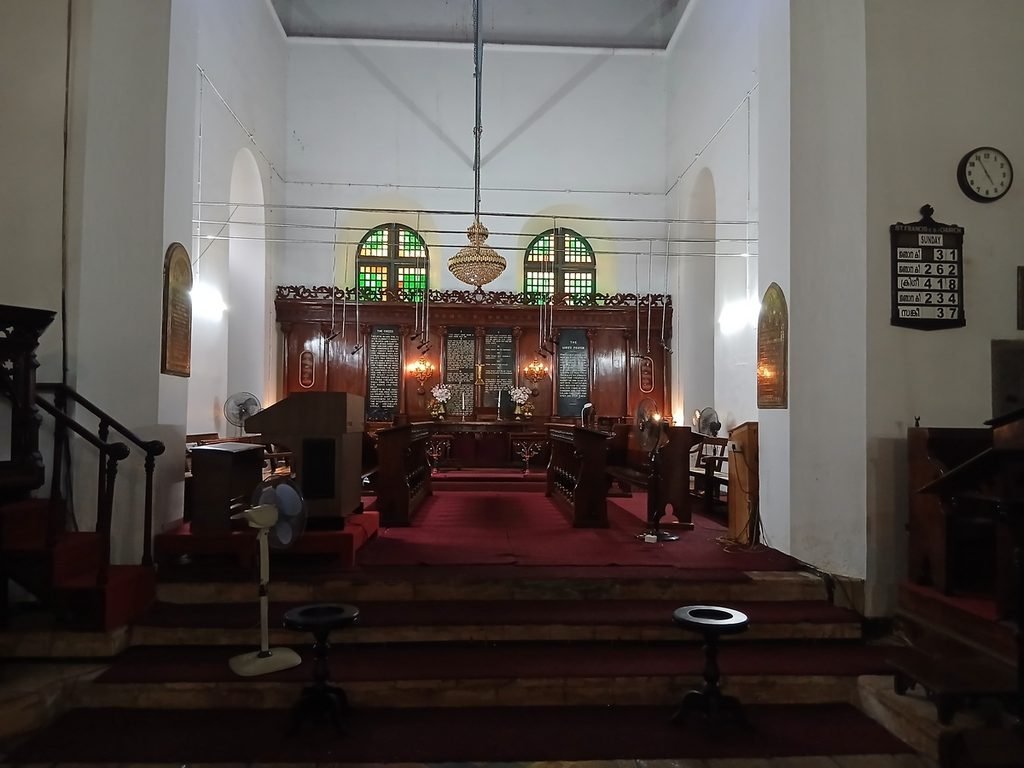
Over the following centuries, the building was repeatedly rebuilt in accordance with changing European architectural traditions. As a result, the church has witnessed several centuries of Kochi’s history, during which the city was successively under Portuguese, Dutch, and British influence.
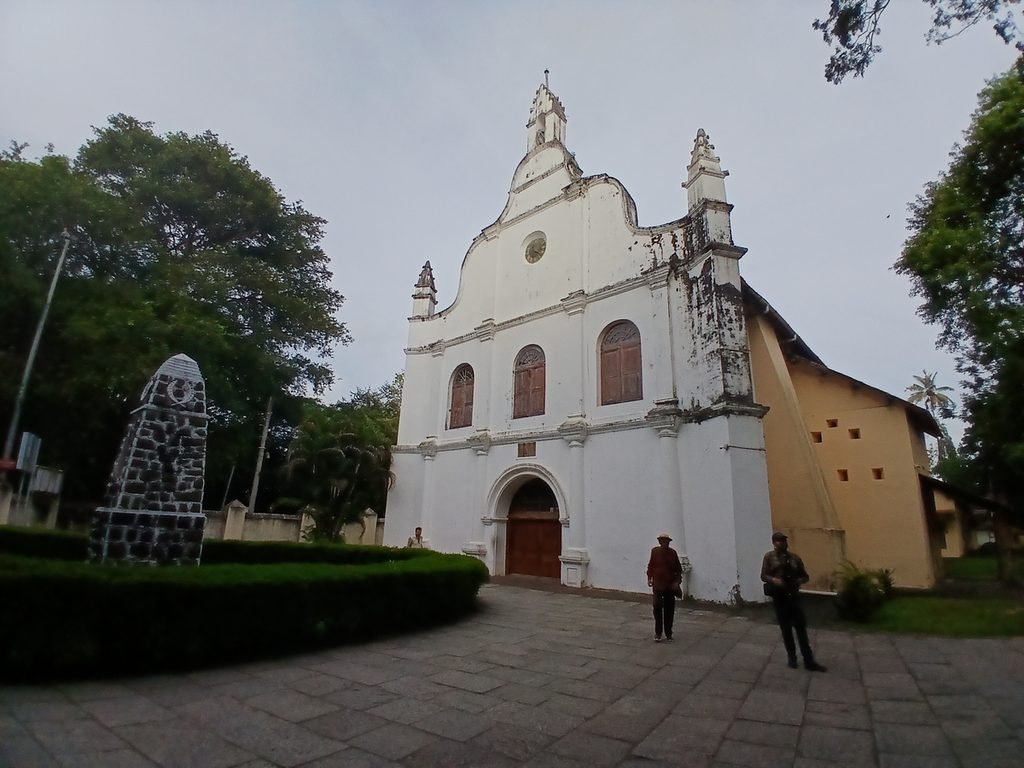
Other Temples in Kochi
Right here, not far from St. Francis Church, a few blocks away, there is another notable religious structure: the Basilica of Santa Cruz. It is one of only eight basilicas in India and one of the main Catholic churches in Fort Kochi. Its construction began in the early 16th century, during the Portuguese presence in Kochi. Interestingly, the Portuguese viceroy Dom Francisco de Almeida obtained permission to build it from the Maharaja of Kochi. The cornerstone was laid on May 3, 1505, on the Feast of the Exaltation of the Holy Cross, in whose honor the church was named Santa Cruz.
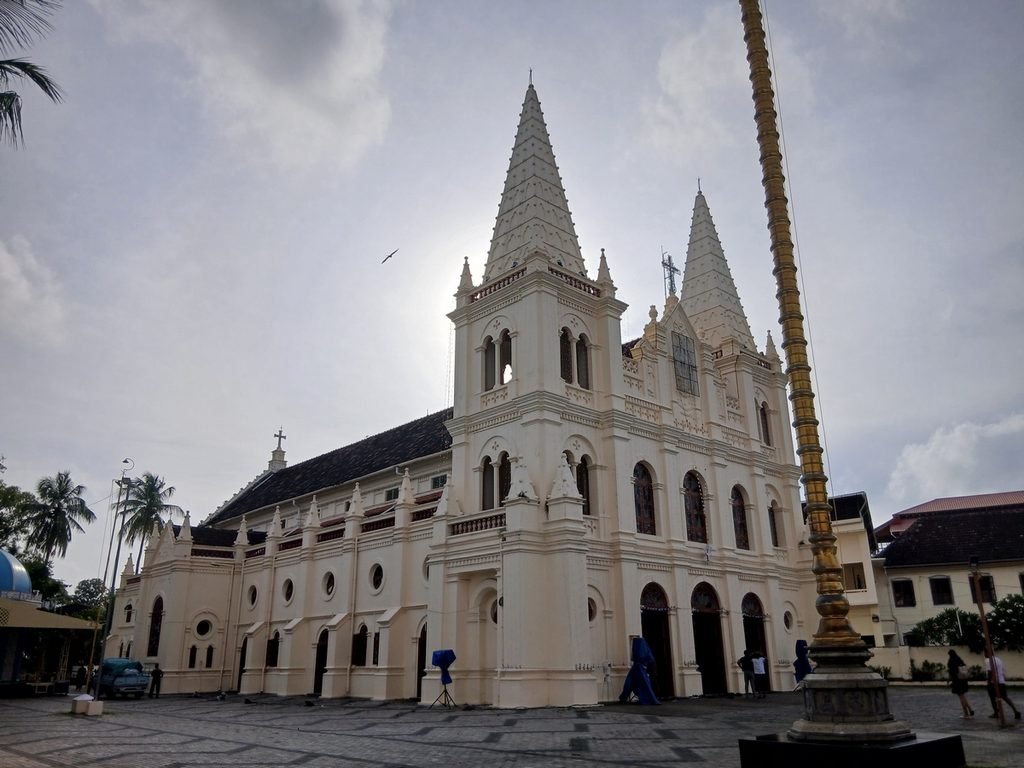
Over the course of several centuries, the church was rebuilt numerous times. At various periods, the building was demolished and rebuilt. The current church was consecrated only in 1905. In 1984, Pope John Paul II himself elevated the church to the status of a basilica, recognizing its historical and religious significance. And two years later, he visited here.
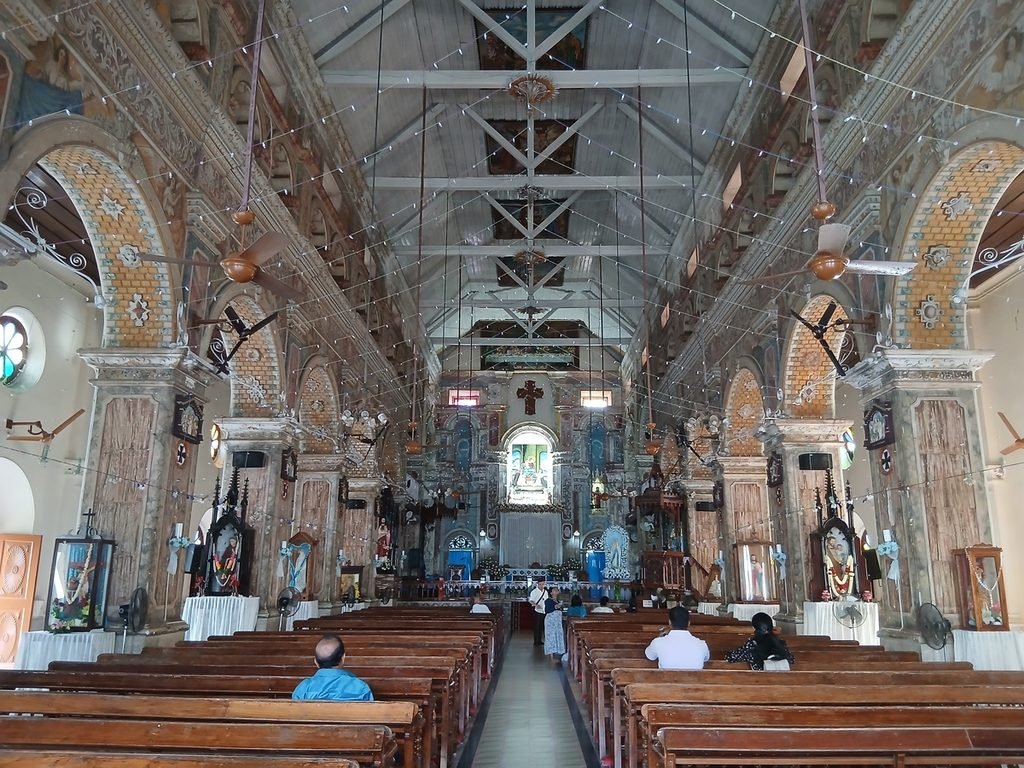
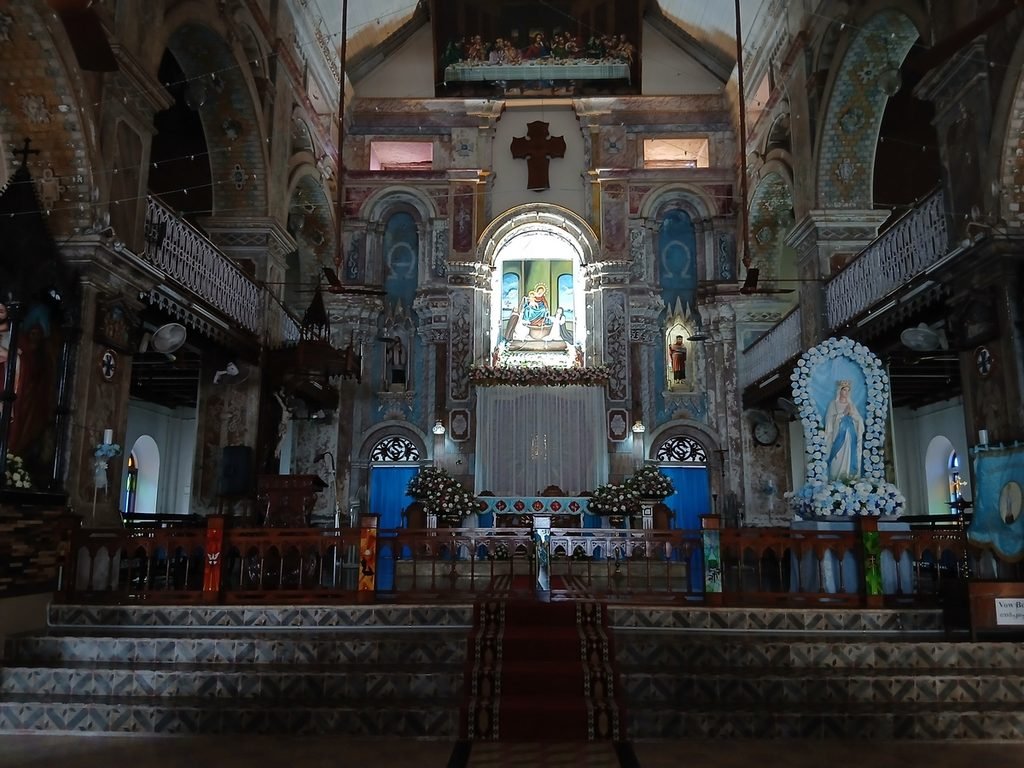
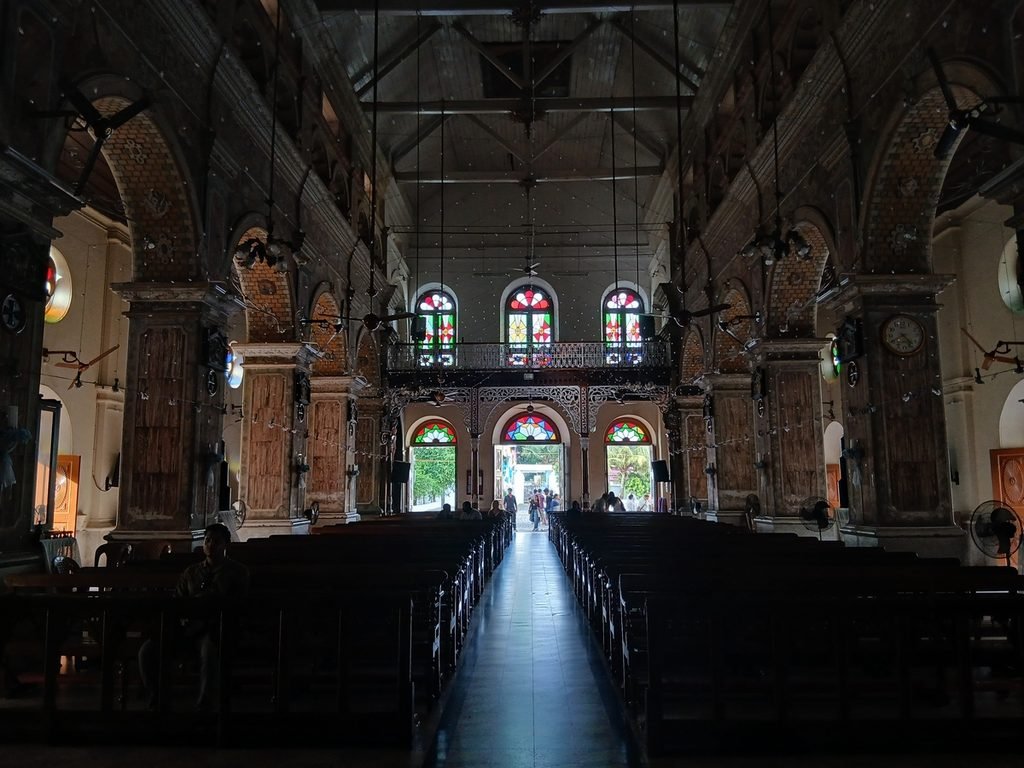
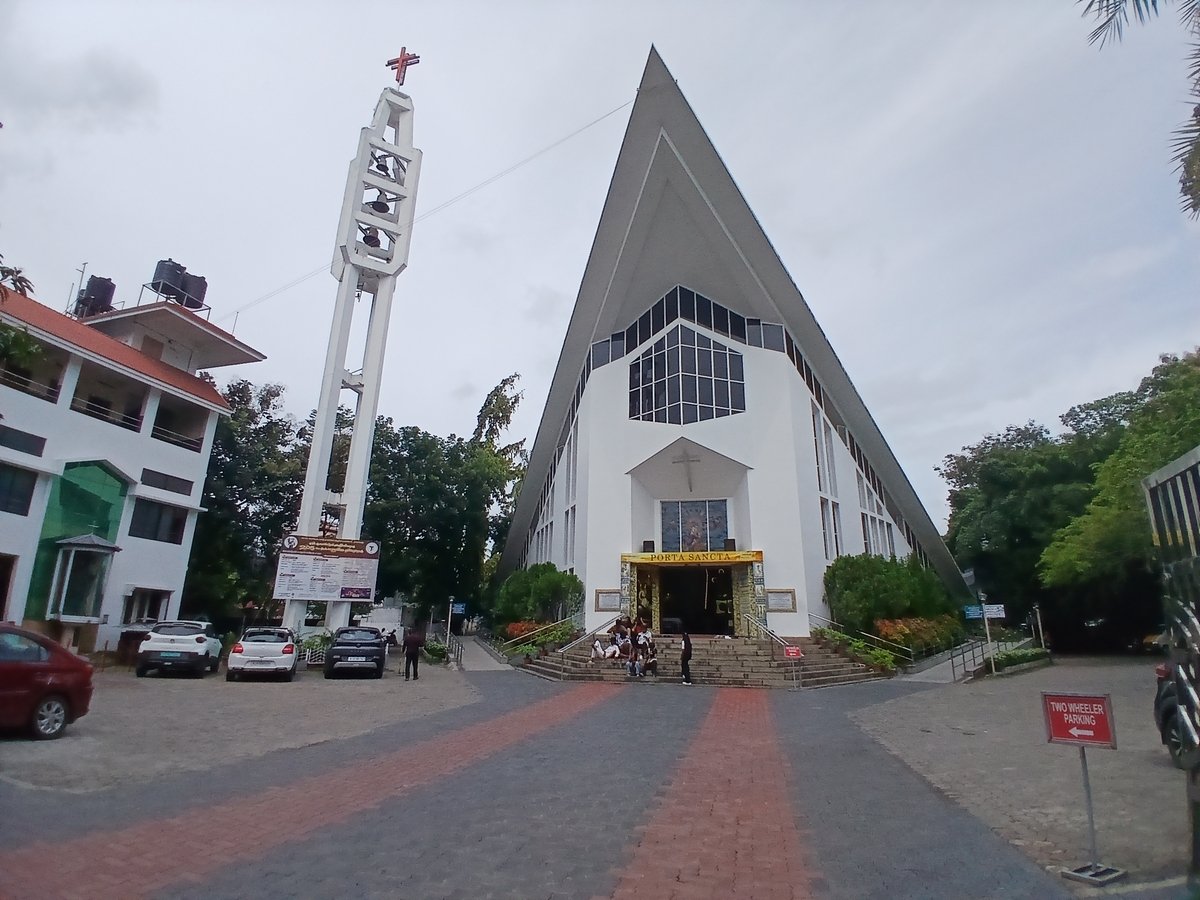
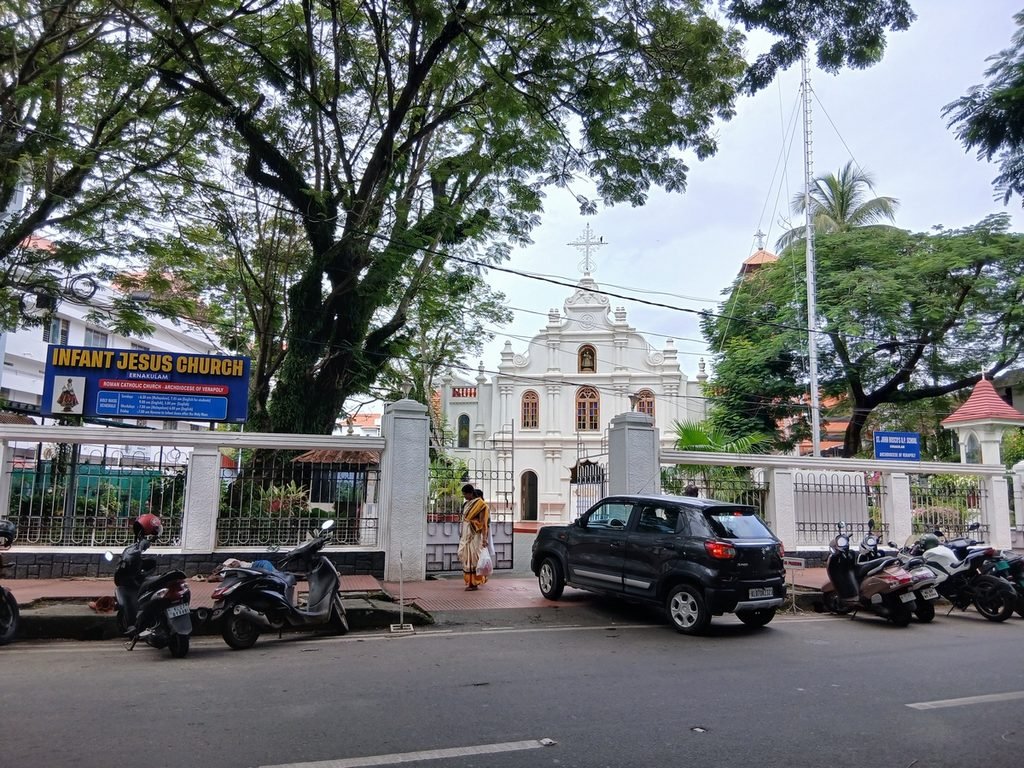
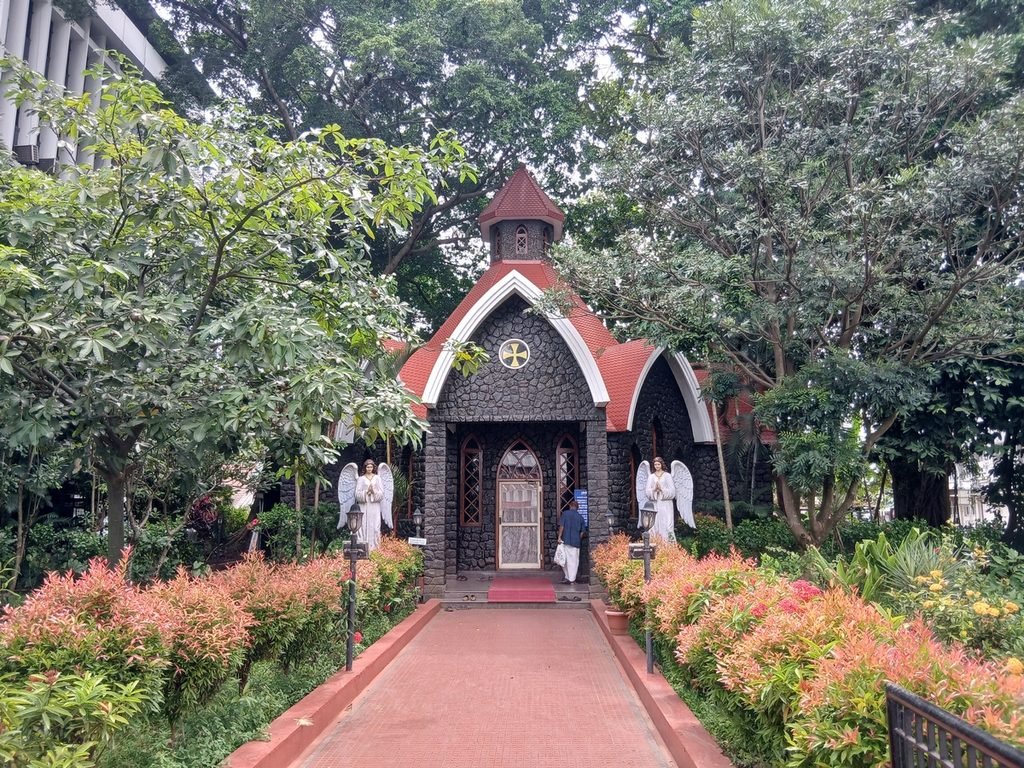
On the mainland part of the city, in the High Court district (that is, the Supreme Court), there are also several visually interesting churches, though they’re more modern. The Cathedral of St. Francis of Assisi and the Basilica of St. Mary. There’s also the archbishop’s residence and some no-name chapel.
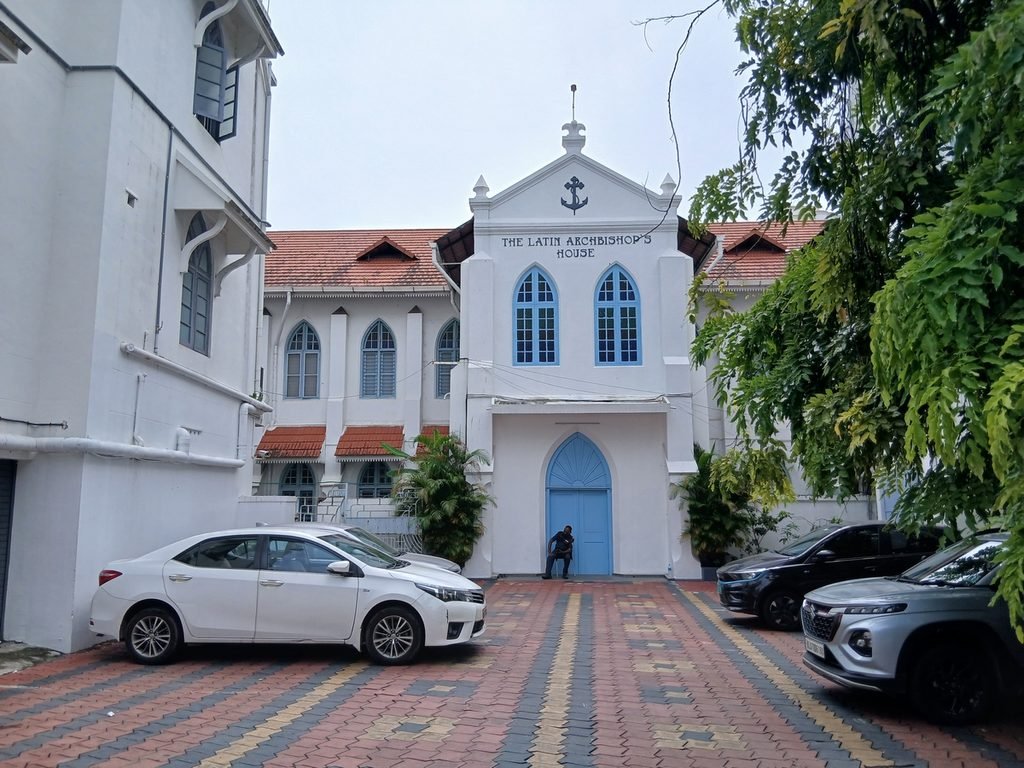
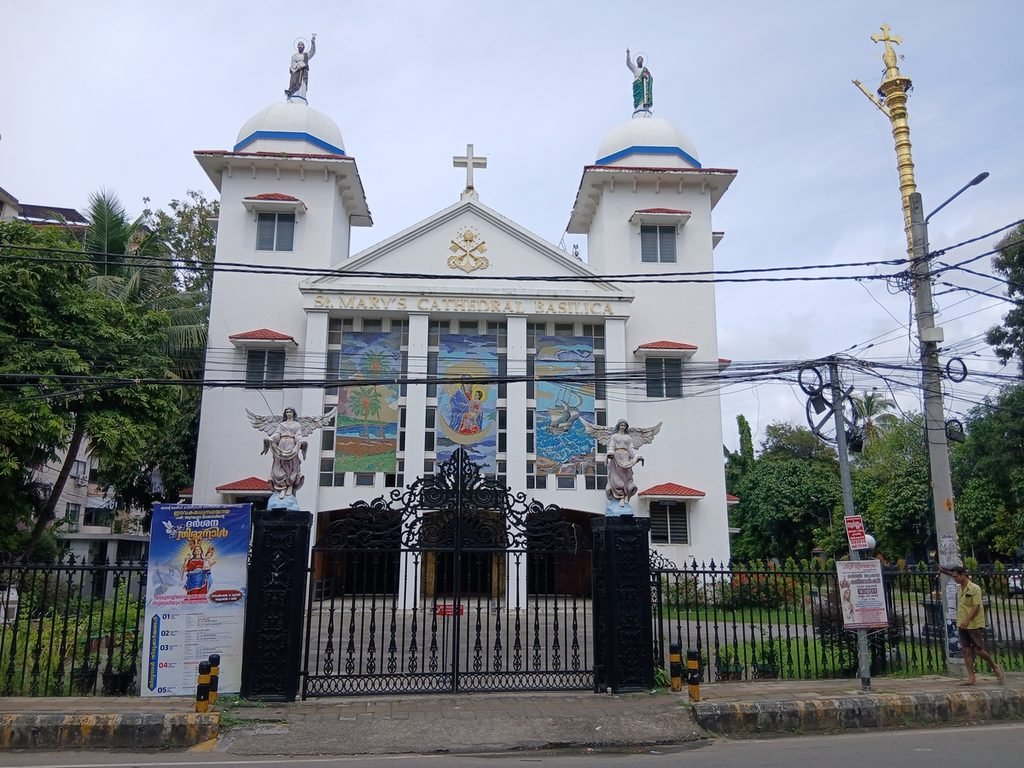
Further along in the same neighborhood on Broadway (yes, that’s actually the name of the street), there are mosques, a synagogue (at the intersection with Jew Street), and a Hindu temple. It’s quite a hub of different religions!
What about the Dutch?
You do remember that after the Portuguese, colonizers from the Netherlands—in the form of the Dutch East India Company—settled in Cochin, don’t you? This happened as a result of the Dutch-Portuguese War over control of trade in the Indian Ocean.
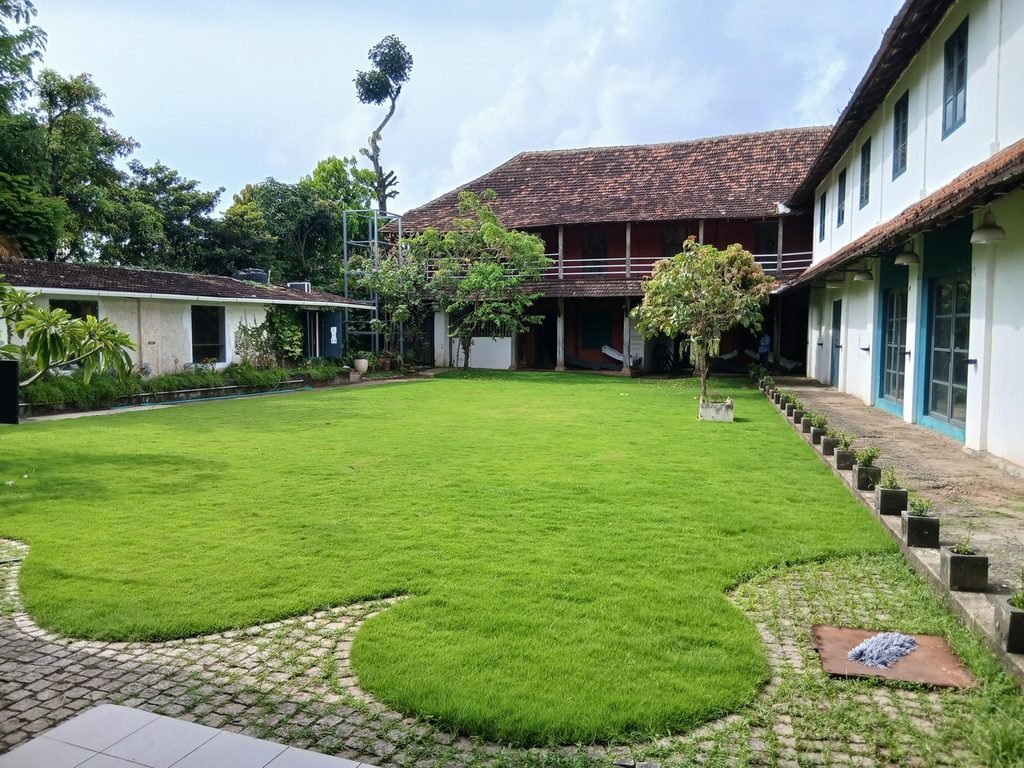
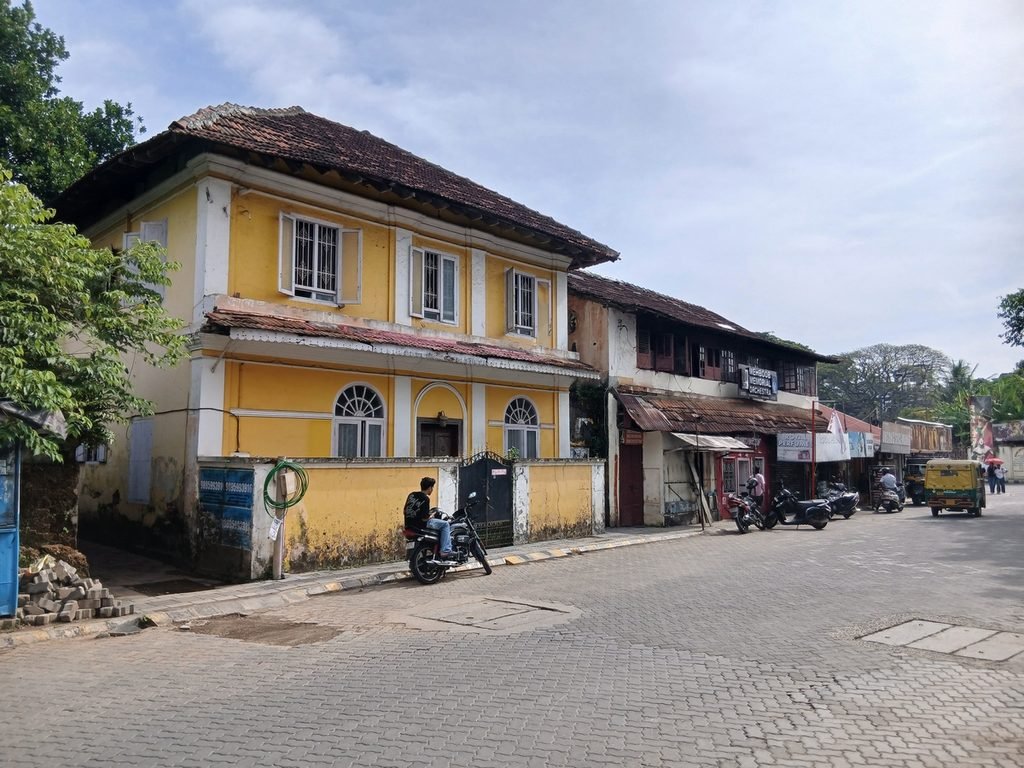
The Dutch destroyed or rebuilt many Portuguese fortifications and buildings, and you can really tell—the architecture is significantly different from that of Goa, for example. The Fort Cochin area reminded me a bit of the Dutch port district in Jakarta.
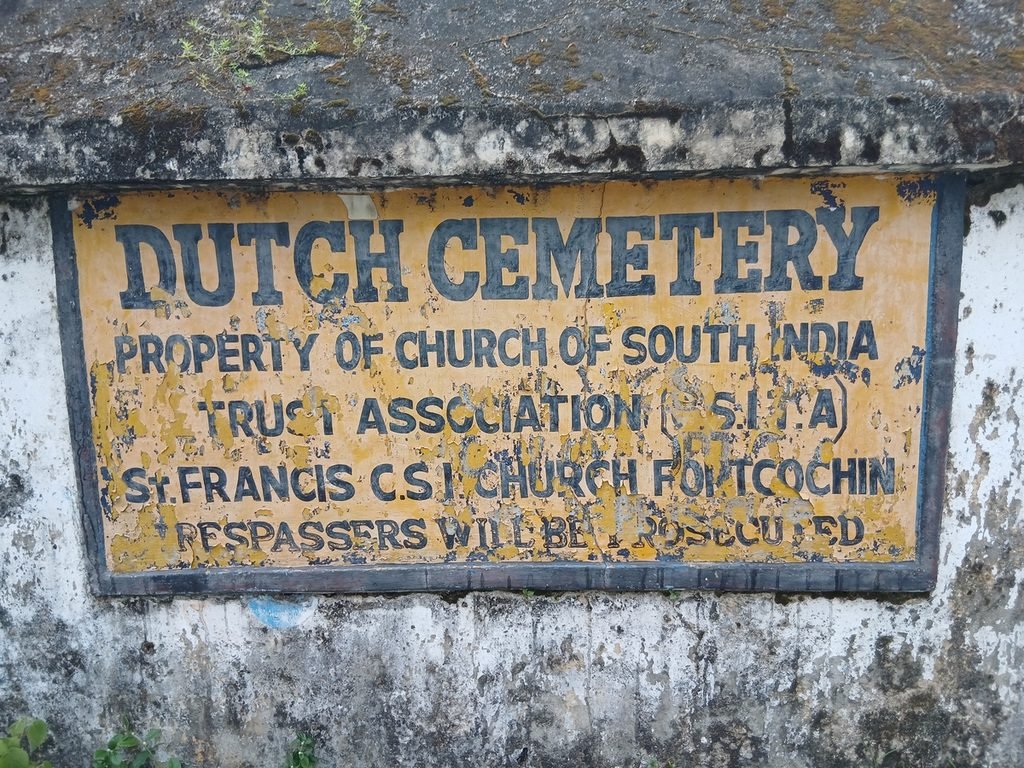
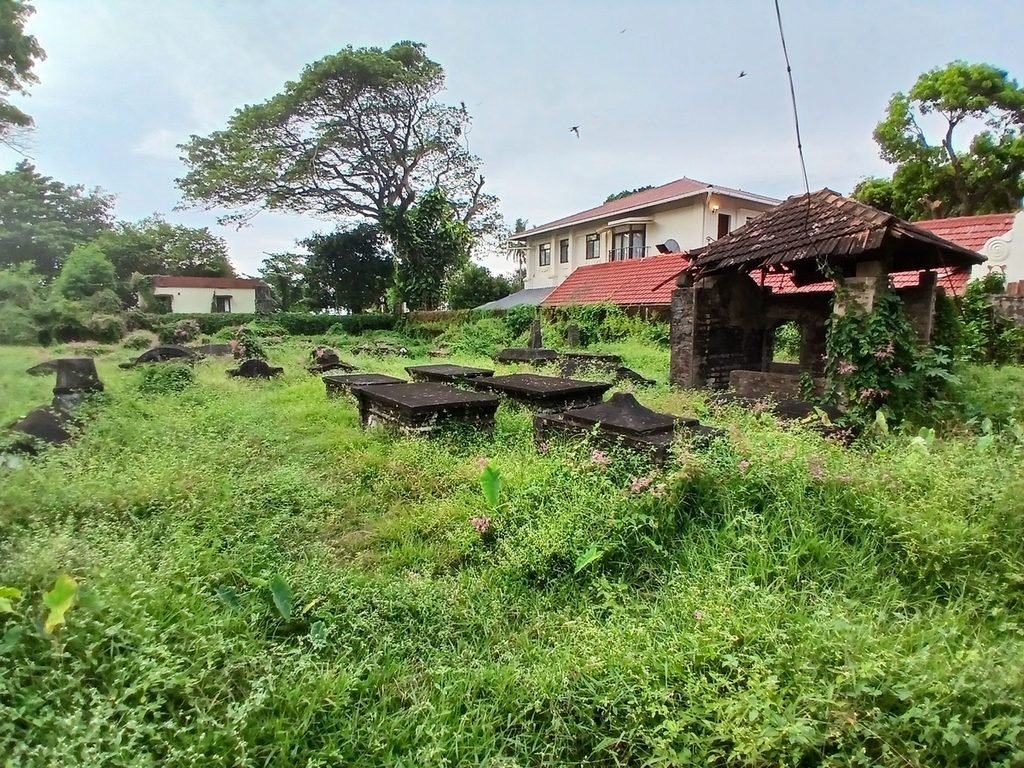
And aside from the buildings, the only thing left from the Dutch is… a cemetery. It’s not particularly striking visually, but it’s very important historically, as it’s considered the oldest European cemetery in India. It was consecrated in 1724 and became the burial site for governors, military commanders, and other representatives of the Dutch administration who served in Kochi during the colonial period.
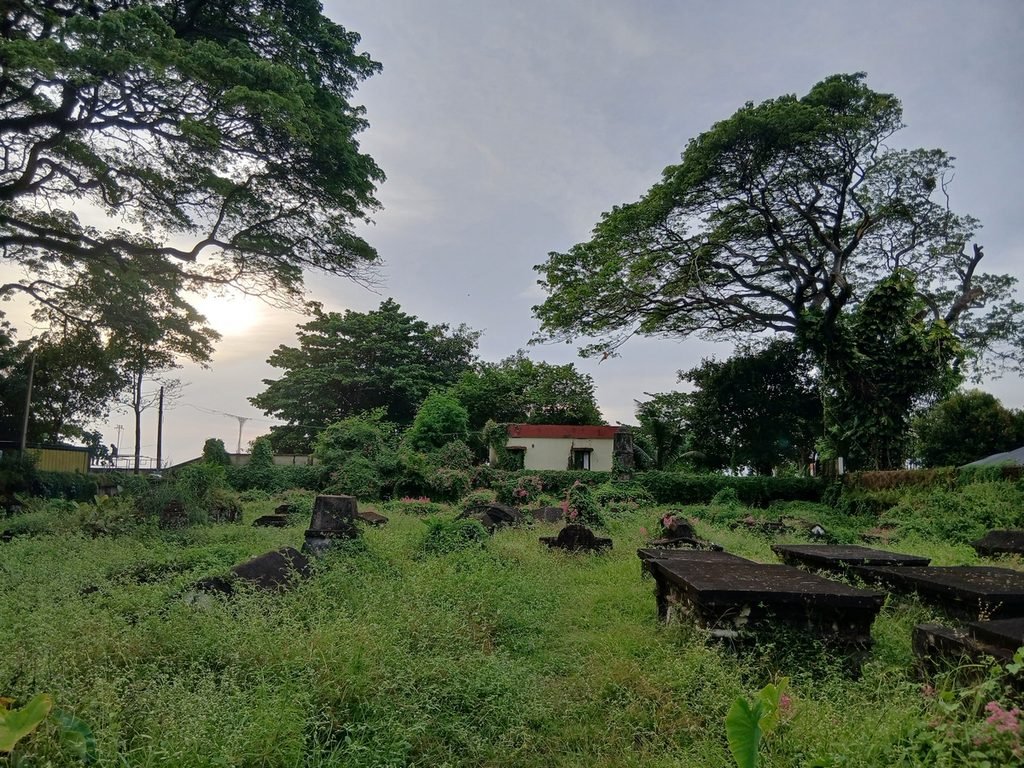
There are 104 graves on the grounds. The headstones are made of granite and red laterite (like so many things in this region), and some even still bear inscriptions in Old Dutch. If you look closely at the cemetery’s design, you can even spot elements of Dutch architecture.
As for the British, there wasn’t much to see—except perhaps this club from the outside, which we weren’t allowed to enter because it’s reserved for gentlemen who pay their dues. Oh well, as if we’ve never seen snooker and whiskey before!
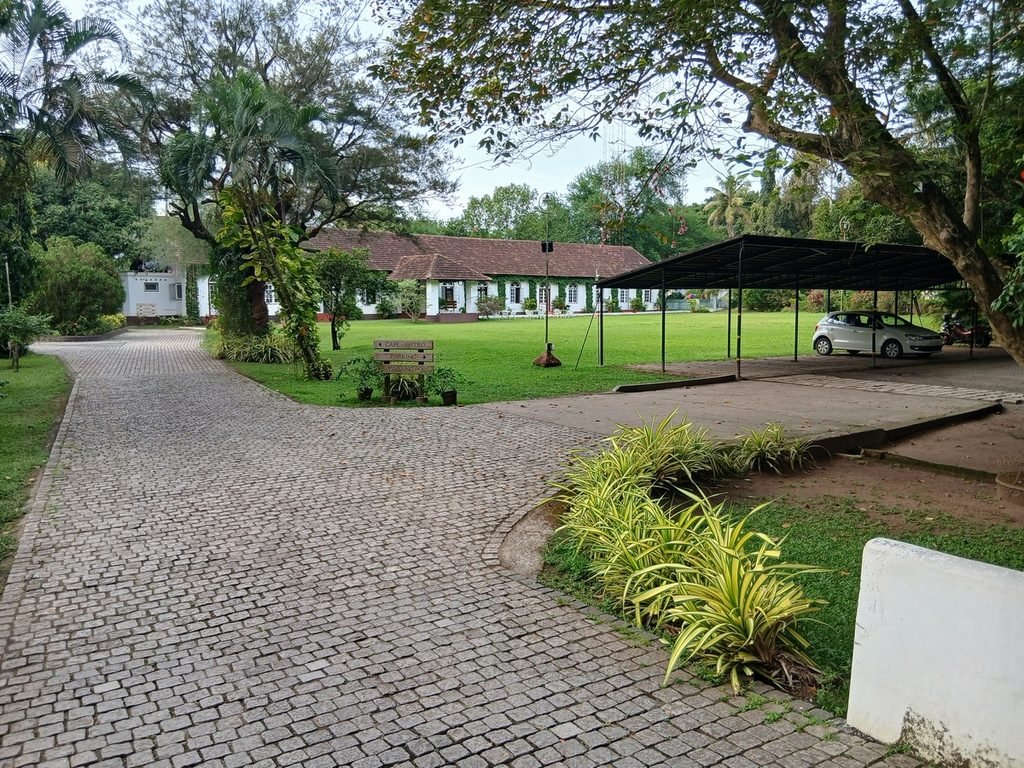
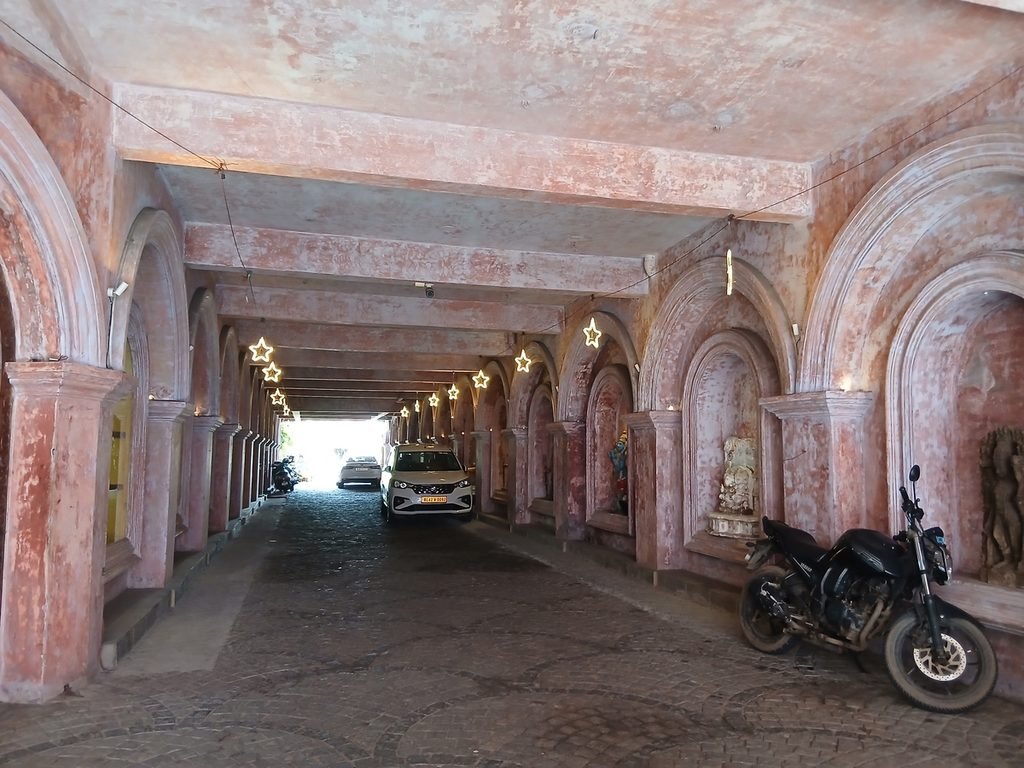
In any case, in Old Kochi today you can see several historical layers—16th-century Portuguese buildings, Dutch alterations from the 17th–18th centuries, and the later British legacy.
Kochi’s Water Transport
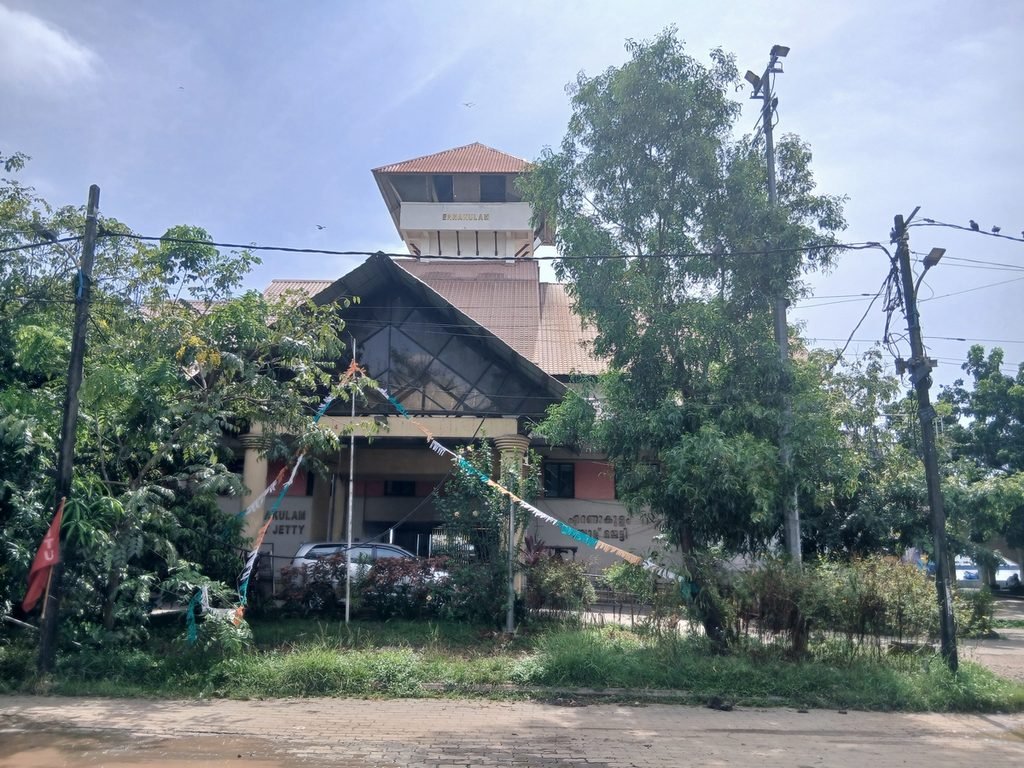
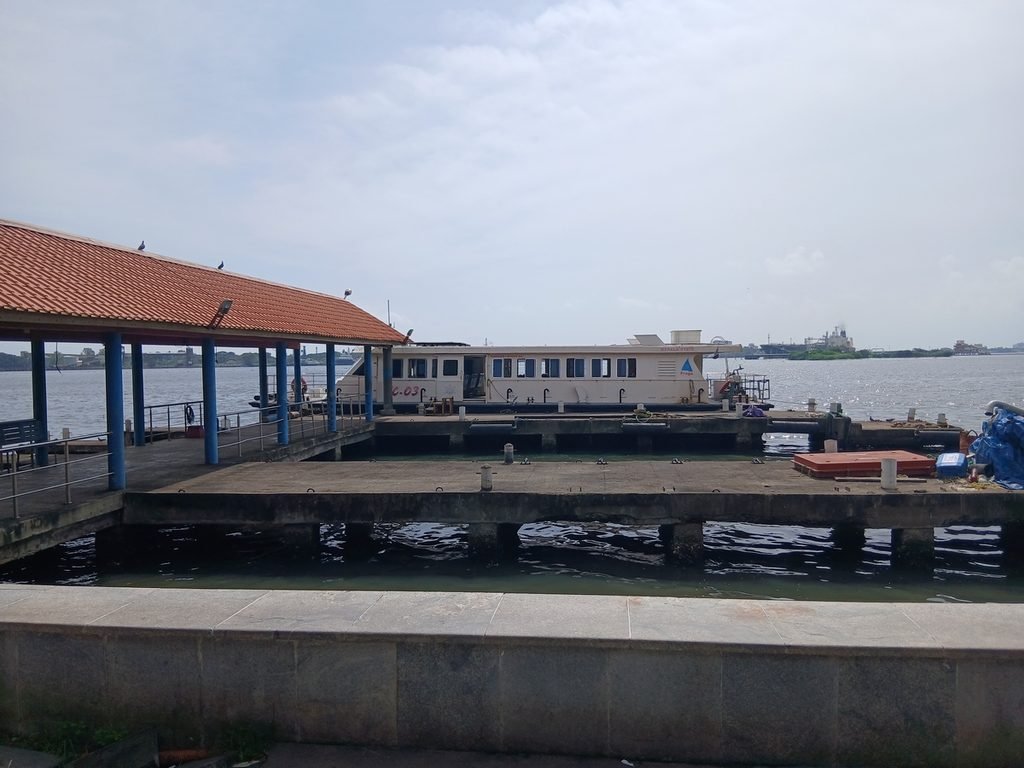
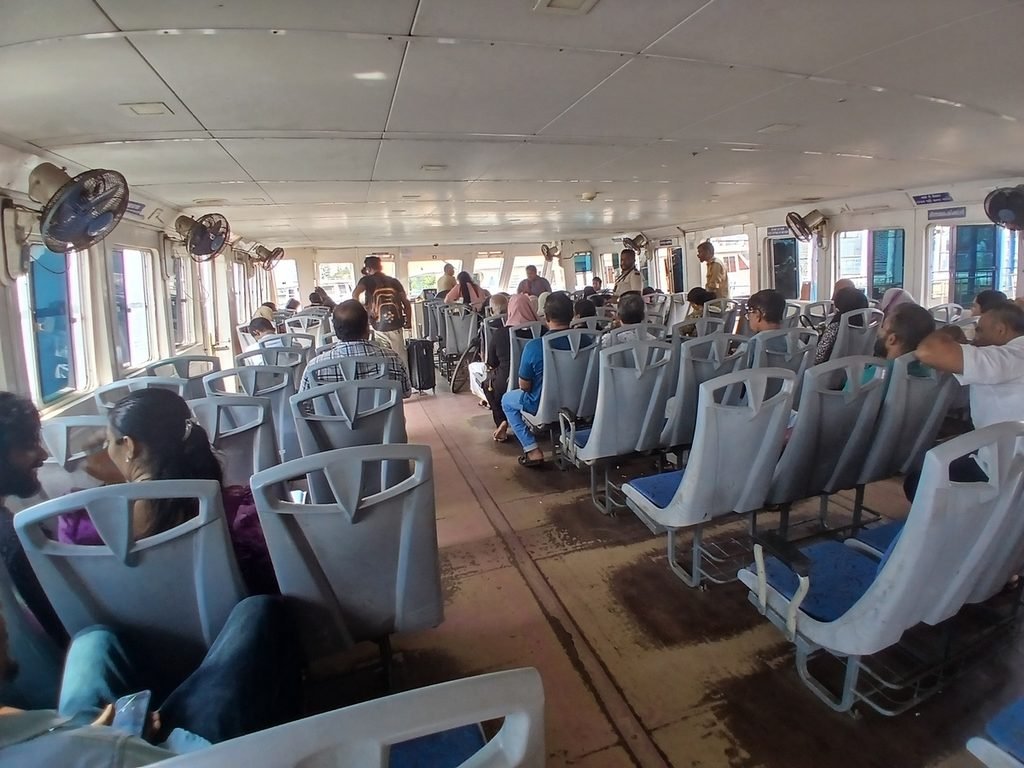
Kochi also has an overground metro, though we didn’t get a chance to use it, even though we stopped right next to a station. But the water metro is much more interesting. That’s exactly what it’s called—the Water Metro.
There are display boards, turnstiles, drinking water vending machines, and brand-new, air-conditioned small electric passenger boats. The fare is 20 rupees, though it’s cheaper with a local transit card.
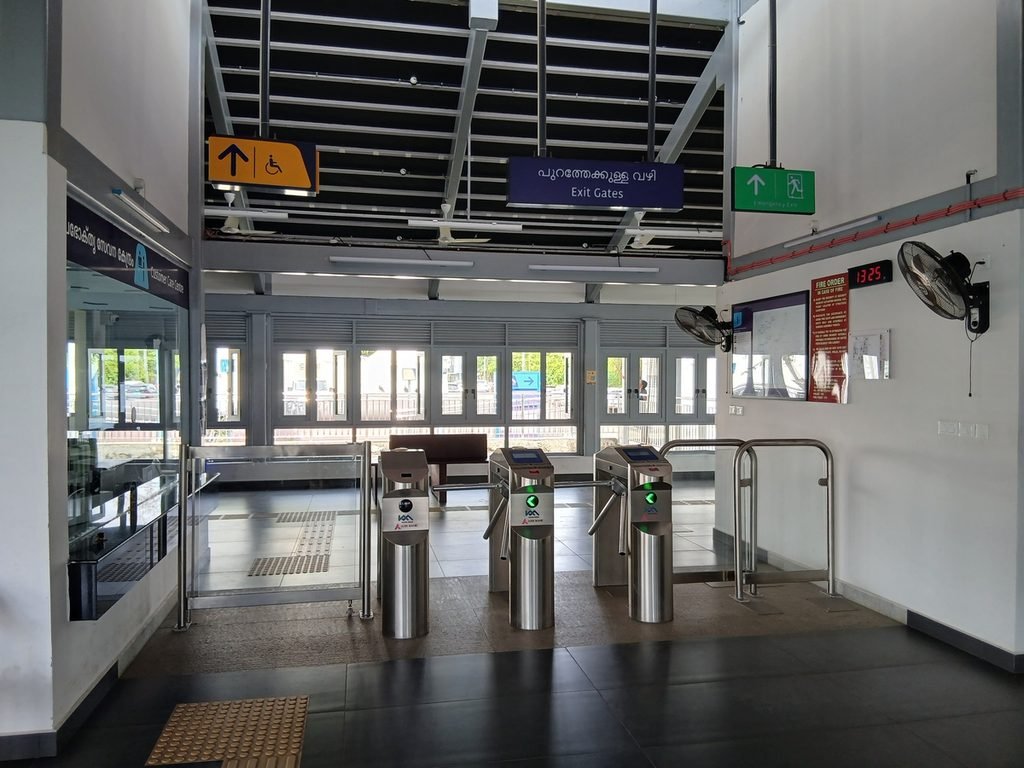
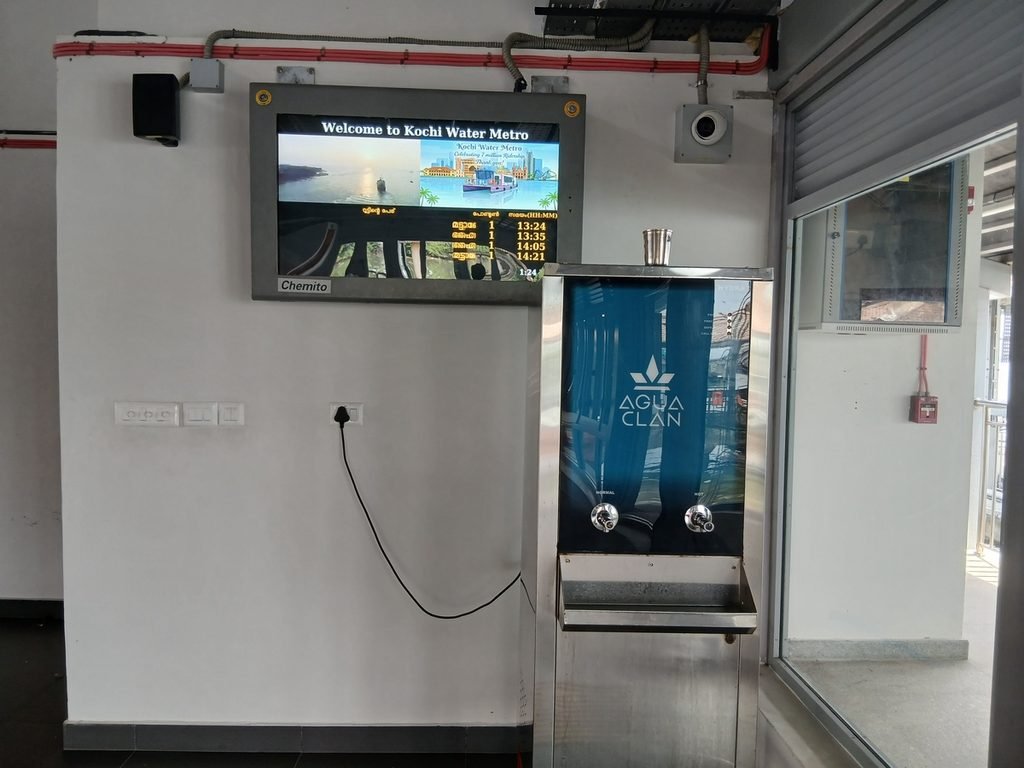
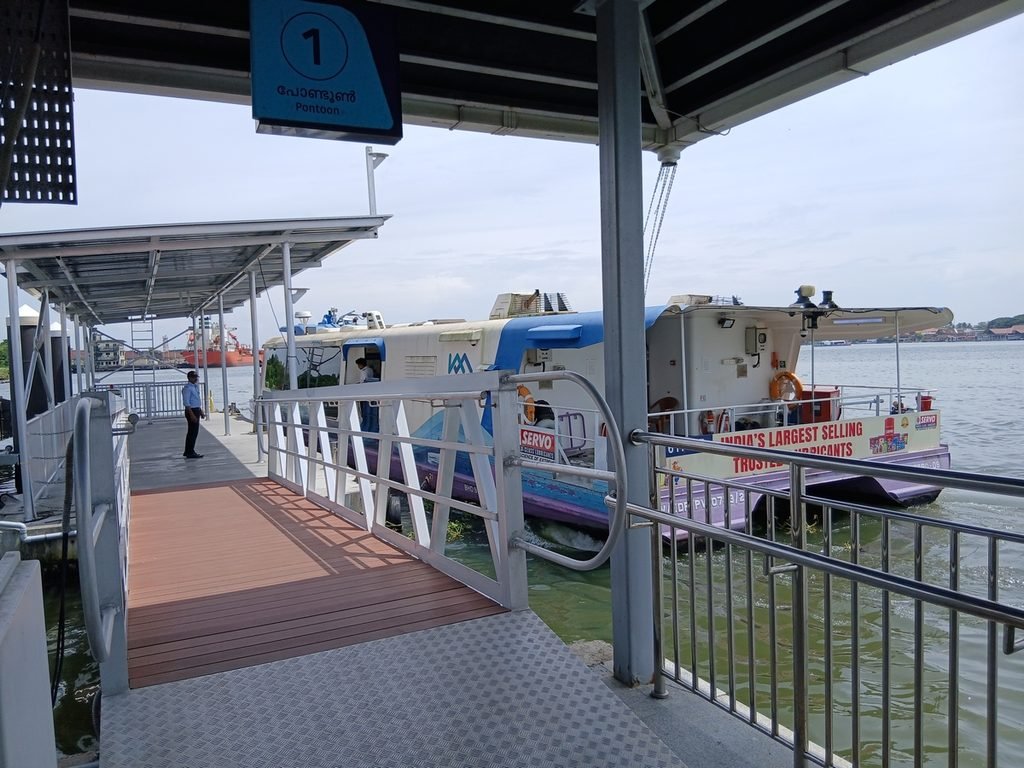
The boats run between equipped terminals on a strict schedule, and the system itself is designed as an extension of the regular Kochi Metro. The project’s official website states that by 2026, there will be more than 75 electric boats, 15 routes, and over 75 km of waterways.
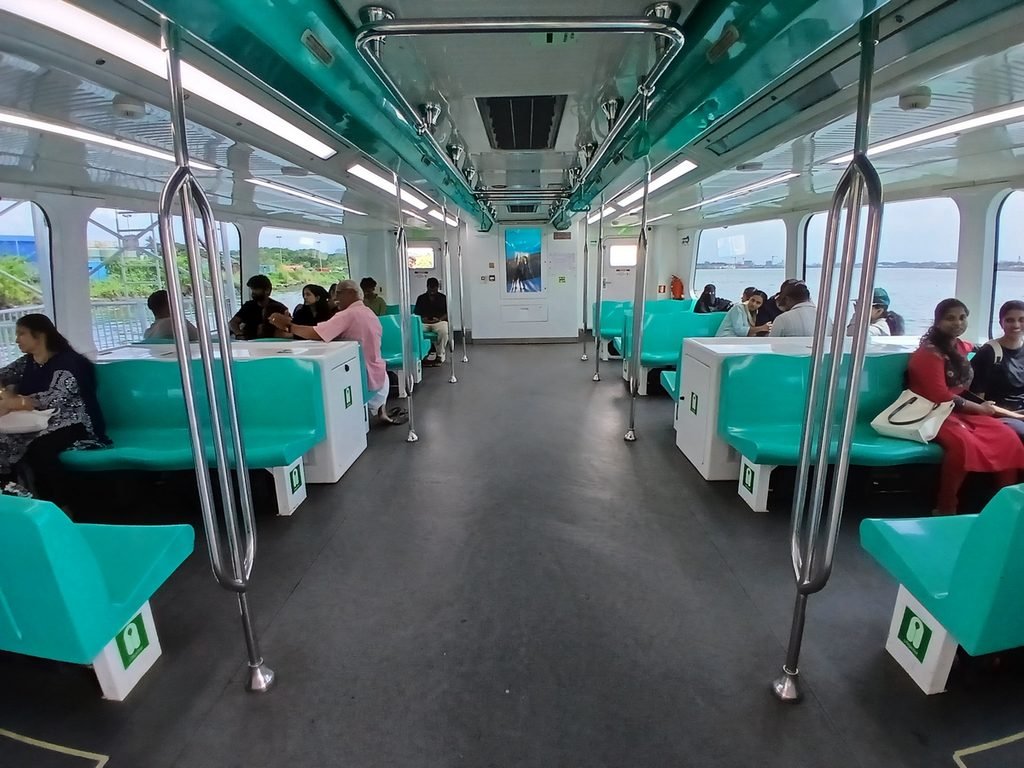
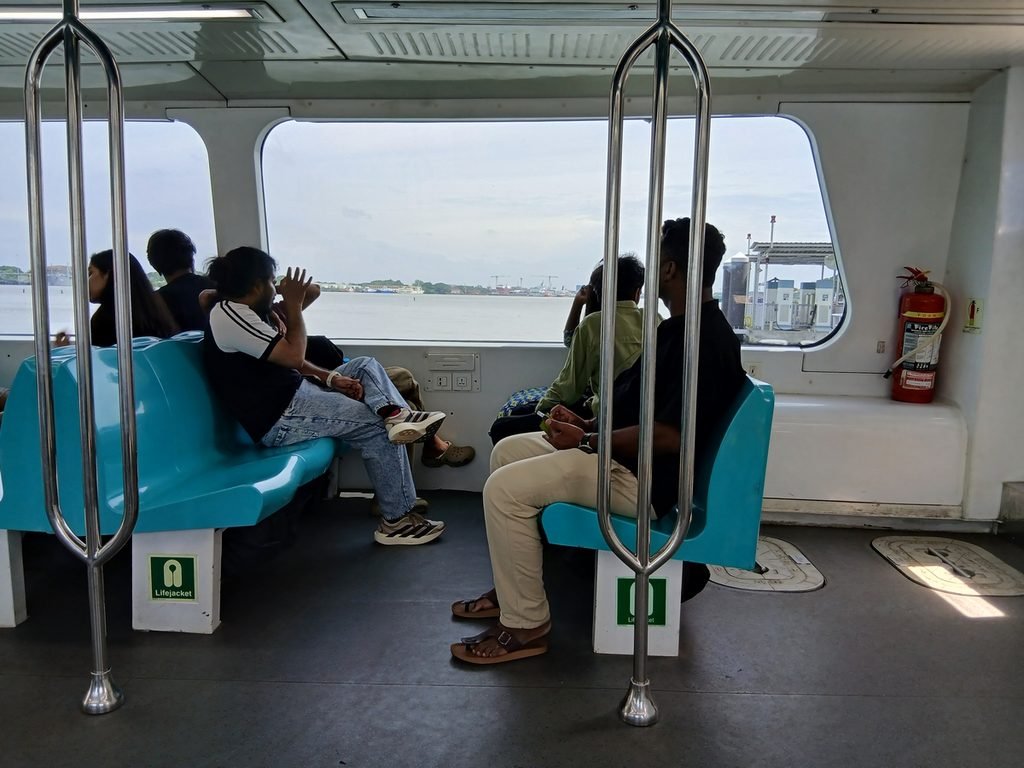
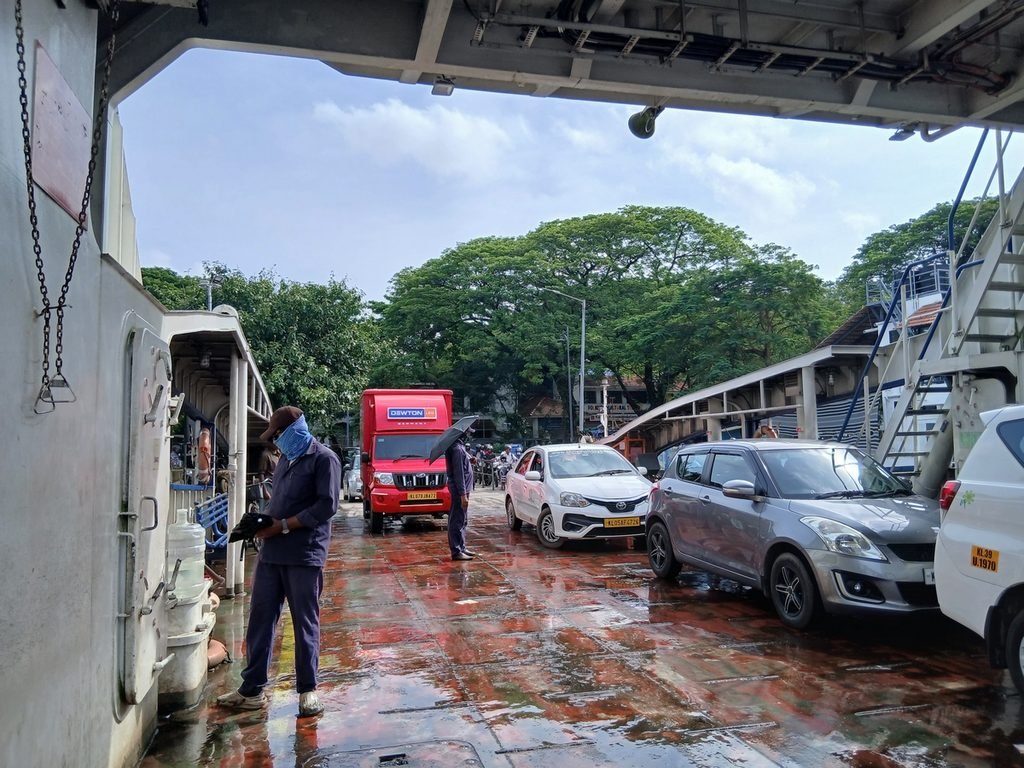
“That’s just a regular ferry,” you might say. But no—here’s a regular ferry from the mainland to Fort Kochi: a well-worn river terminal and boats without air conditioning. And the fare, by the way, is just 6 rupees.
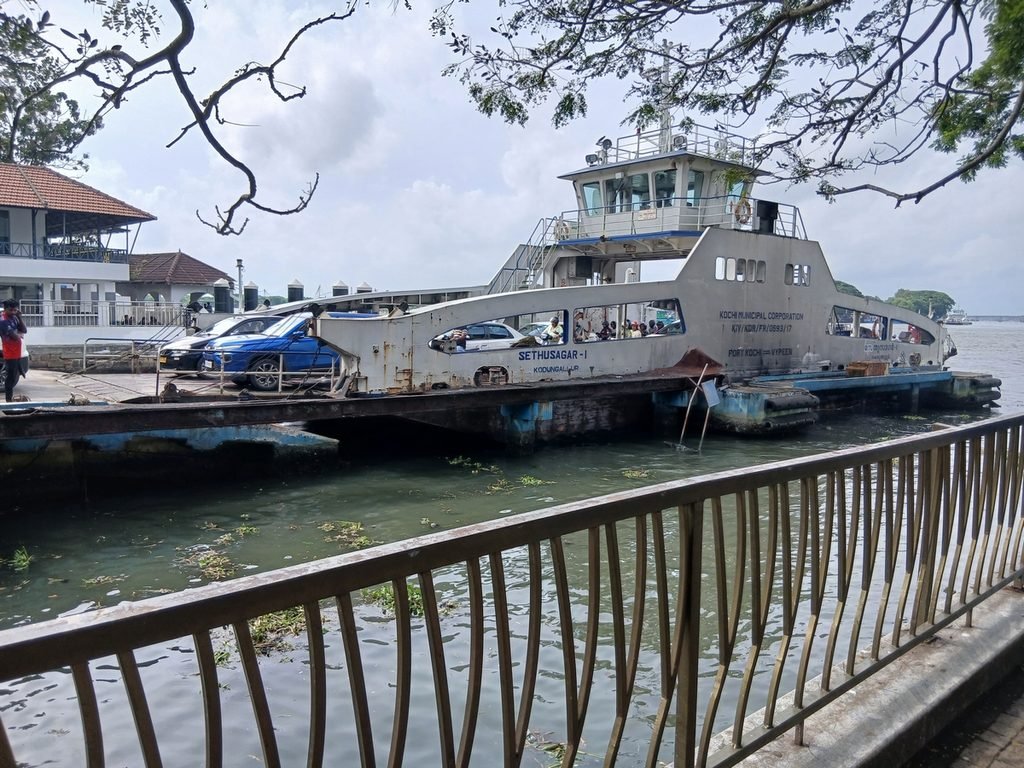
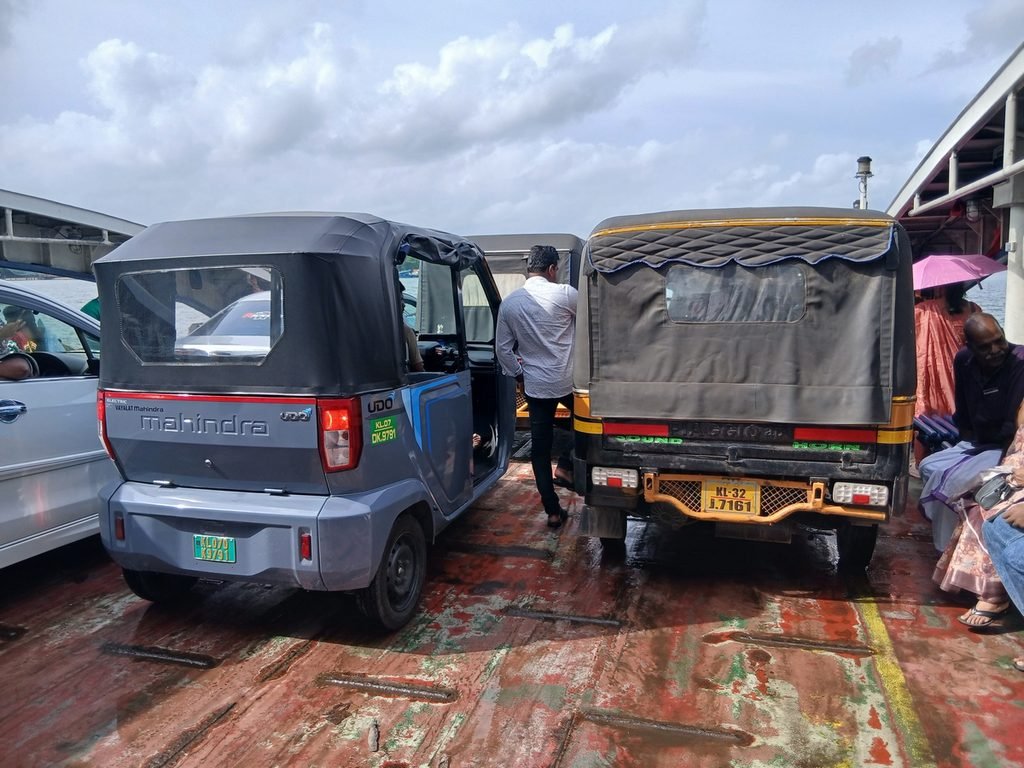
There are also cargo-passenger ferries where you’ll be on deck alongside tuk-tuks and cars. Here, the fare is just 3 rupees.
Chinese Fishing Nets
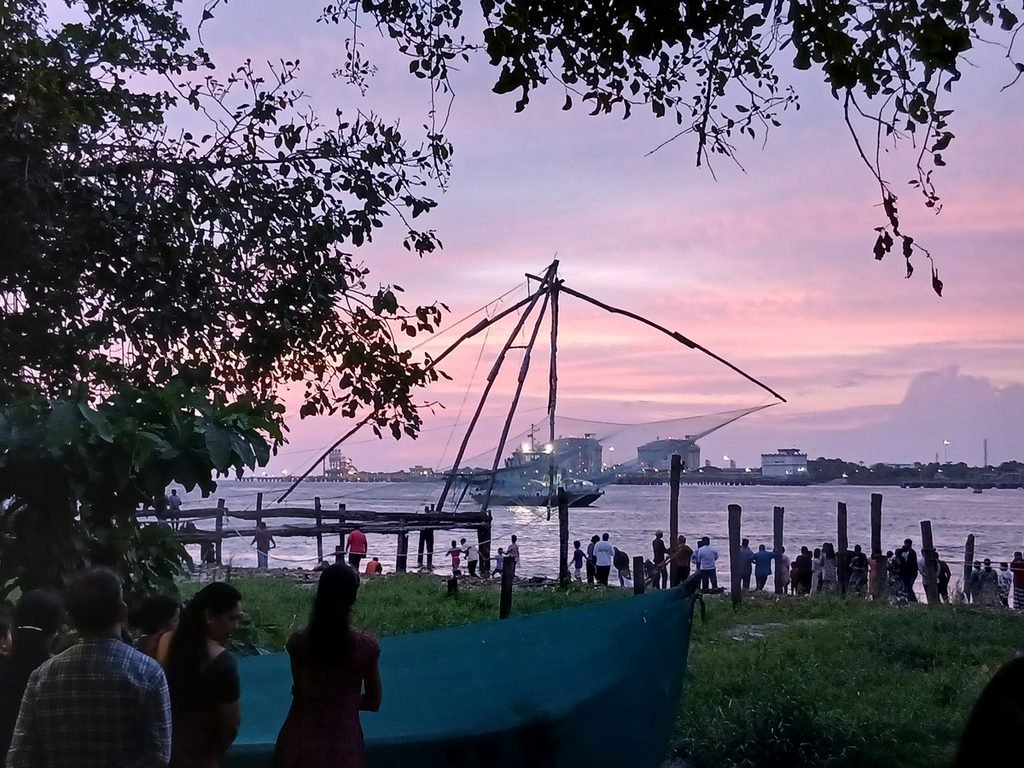
It seems like India and China aren’t on friendly terms, so why are there nets here—and why are they Chinese? Meanwhile, this is one of Kochi’s most recognizable symbols. The local name is indeed connected to China—cheena vala. These huge stationary lifting nets appeared on the Kerala coast, presumably in the 14th–15th centuries.
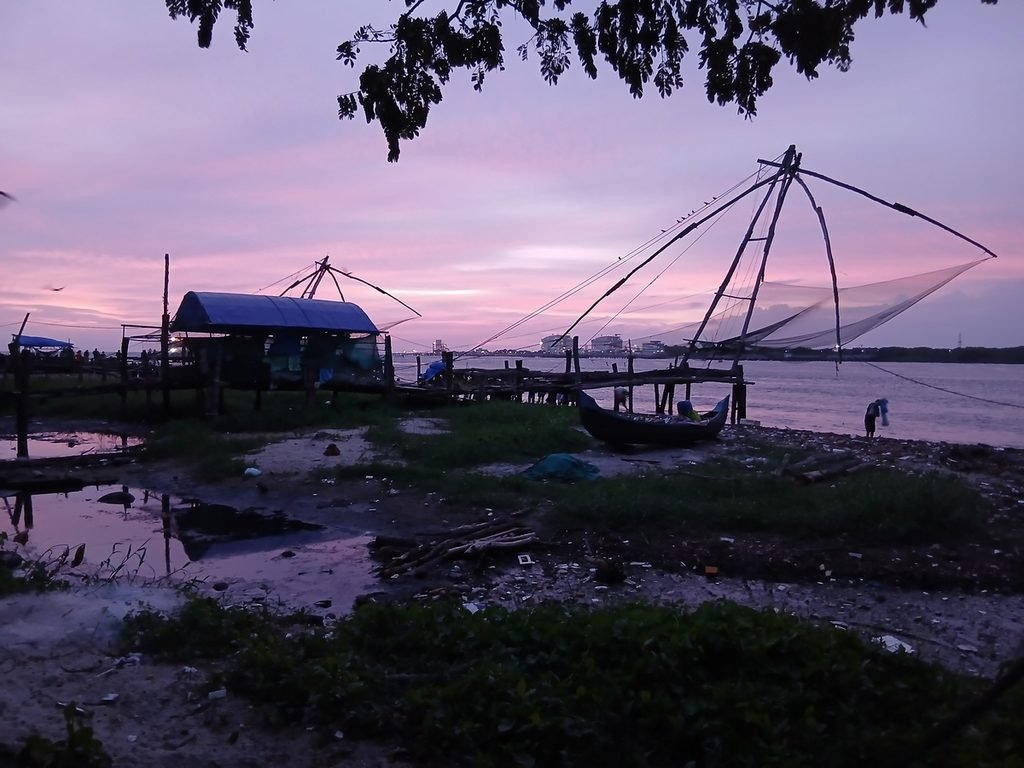
Their origin is linked to Kerala’s trade and maritime contacts with China, although the exact history of how the nets came to be remains a subject of debate. Another theory is connected to the voyages of the Chinese navigator Zheng He.
The structure consists of a wooden frame about 10 meters high with a long cantilever to which a square net is attached. The system operates on the principle of counterweight: heavy stones suspended by ropes balance the structure and allow several fishermen to lower the net into the water and pull it back up.
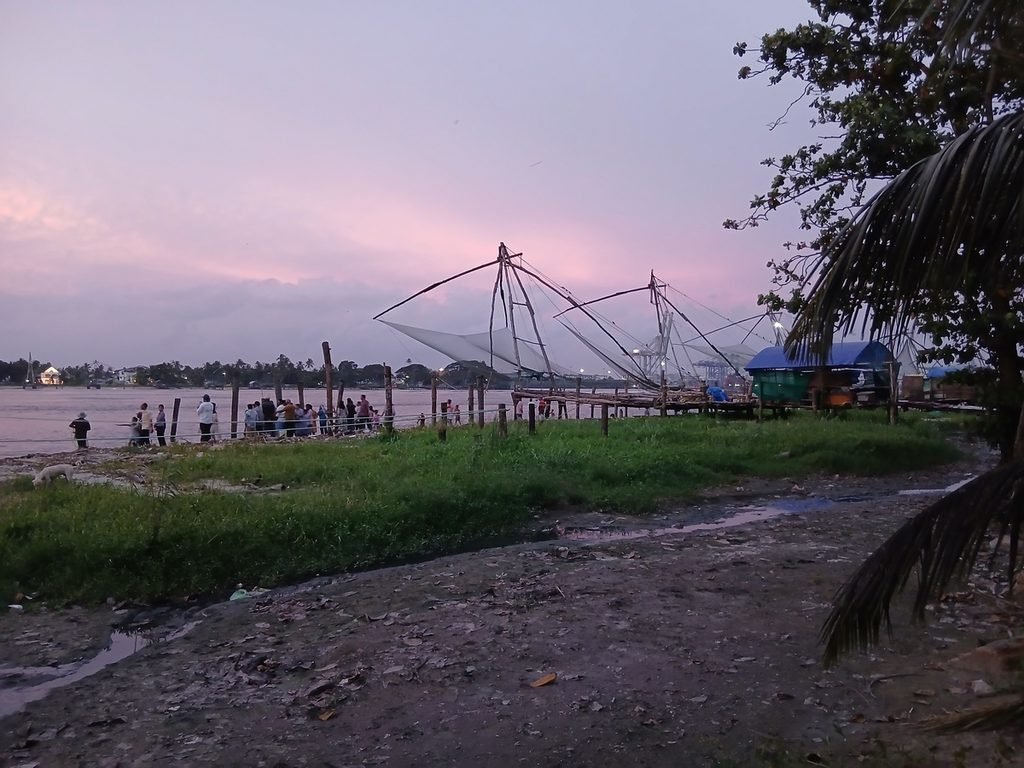
Today, these nets can be seen primarily along the Fort Cochin waterfront, especially near Vasco da Gama Square. But they are also found in other parts of the city along numerous river branches. As we drove from the airport toward the city center, they were visible from nearly every major bridge on the highway.
Some of them are still used by fishermen, although over time the nets have become more of a symbol of the city and a tourist attraction than a primary method of commercial fishing. The huge wooden silhouettes look particularly striking against the backdrop of the sea at sunset.
All in all, that’s how our two days in Kochi turned out. The city was a pleasant surprise—it didn’t just exceed our expectations, it exceeded them by a wide margin! It’s vibrant, diverse, and rich in history, boasting not only local attractions but also world-class landmarks. Kochi is beautiful!