Serbia is a Balkan country in southeastern Europe. It is famous for its ancient capital, Belgrade, located at the confluence of the Danube and Sava rivers. The country also attracts visitors with its medieval monasteries, mountain resorts, thermal springs, and national cuisine. It is currently one of the most affordable destinations in Europe. In our 2026 travel guide to Serbia, we explain the best time to visit, typical travel costs, what to bring, and which places to include in your itinerary.
- Useful Information
- Visas and Documents
- Traveling to Serbia
- Tours to Serbia
- Hotels in Serbia
- Prices and Currency
- Interesting Facts
- Beaches and Resorts
- Mobile Networks and Internet
- Cuisine and Restaurants
- Holidays and Events
- Useful Phone Numbers
- Tips from Travelers
- FAQ
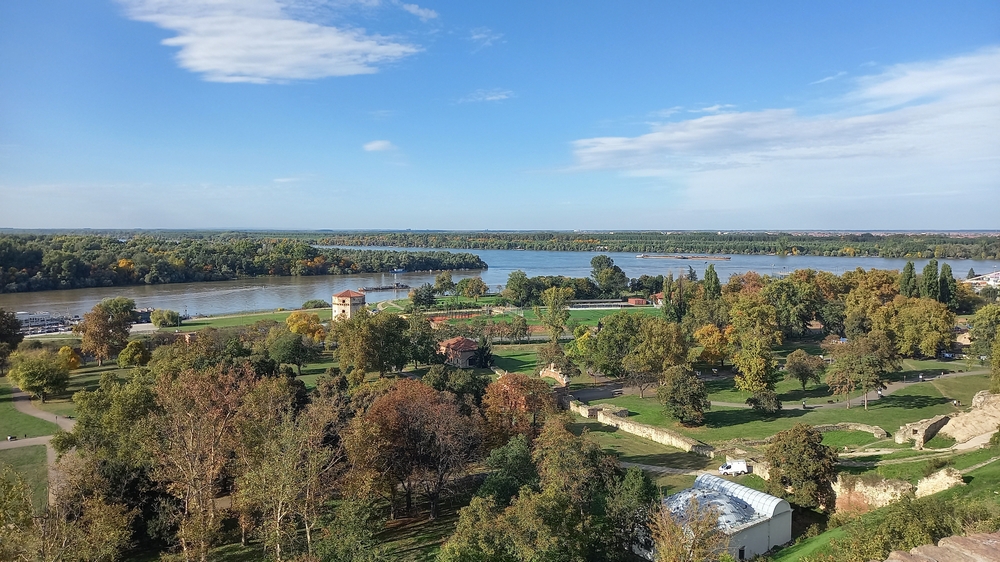
Useful Information
| Capital | Belgrade |
| Language | Serbian; English is understood in tourist areas |
| Currency | Serbian dinar (RSD, din), bring euros for currency exchange |
| Time difference | Same time as Central European Time |
| Do you need a visa | EU citizens do not need a visa for stays of up to 90 days for tourist travel |
| Where do tourists go | Belgrade, Novi Sad, Niš, Kopaonik, Zlatibor, Vrnjačka Banja |
| Best time to visit | May through June and September through October — for sightseeing and walks; December through March — for skiing |
| Internet and communication | Wi-Fi is available in hotels, cafes, and shopping centers; mobile service and internet work perfectly. Messaging apps such as WhatsApp and Telegram are used |
Visas and Documents for Travel to Serbia
EU citizens can stay in Serbia without a visa for up to 90 days. Your passport must remain valid for at least 90 days after your departure date.
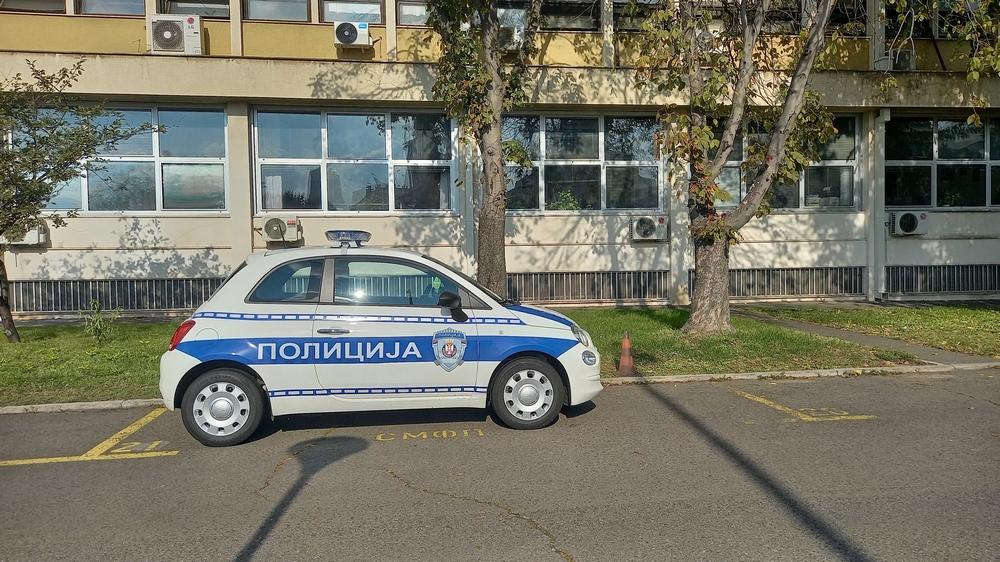
You must register your place of stay within 24 hours of arrival. If you stay at a hotel, the front desk will handle the registration. If you stay in an apartment or with a private host, you can register at a local police station or online.
Traveling to Serbia
By Air
Direct flights connect Serbia with many European cities, mainly via Belgrade, but you can fly not only to the country’s capital but also to Niš Airport and a small regional airport Morava in Kraljevo.
Belgrade
Flights to the Serbian capital depart from all European capitals and major cities, as well as from several cities in Turkey, Tbilisi, and Baku. It would be easier to list the European capitals from which there are NO direct flights:
- Reykjavík
- Dublin
- Helsinki
- Minsk
- Tallinn
- Vilnius
- Bratislava
Niš
Serbia’s second-busiest airport, it receives flights from several European countries, primarily Germany and Switzerland. List of cities with flights to Niš, Serbia:
- Istanbul (New Airport)
- Stockholm (Arlanda)
- Frankfurt-Hahn
- Cologne-Bonn
- Dortmund
- Stuttgart
- Memmingen
- Zurich
- Basel
- Vienna
- Ljubljana
- Athens
- Corfu
- Malta
- Tivat
Kraljevo
Morava Airport near Kraljevo is a small regional airport designed for short Air Serbia flights and charter flights. You can fly here from the following cities:
- Istanbul (New Airport)
- Thessaloniki
- Tivat
By Train
The easiest way to reach Serbia (Belgrade) by train from major European cities is via Hungary (Budapest), Croatia (Zagreb), or Montenegro (Bar). Major international routes include both day and night trains, and travel time from neighboring countries ranges from 6 to 12 hours.
Main train routes to Serbia
- From Hungary (Budapest): The most popular route. Trains run via Novi Sad (the “Soko” high-speed line).
- From Montenegro (Bar/Podgorica): Daily trains (including night trains)—a scenic route through Podgorica to Belgrade.
- From Croatia (Zagreb): Direct service, travel time about 6 hours.
- From Bulgaria (Sofia): Regular trains connecting the capitals.
- From Romania (Bucharest): Daytime train.
Tours to Serbia
Serbia is not a typical “package tour” destination. Most tourists travel independently. However, tour operators offer sightseeing programs. These usually include the capital, Novi Sad, the monasteries of Fruška Gora, national parks, and wine regions. Tours usually last from 3 to 8 days.
Wellness tours form a separate category. They focus on thermal resorts such as Vrnjačka Banja and Sokobanja. These programs include spa hotels, treatments, mineral pools, and medical consultations.
In winter, demand rises for trips to the Kopaonik ski resort. Travelers choose hotels near the lifts and include ski passes in their packages.
In summer, gastronomic and wine tours in Vojvodina become popular. Active programs also attract visitors. These include hiking, rafting on the Tara River, and walks in national parks.
Hotels in Serbia
In Belgrade and Novi Sad, travelers often choose modern 3–4-star hotels in the city center. These hotels usually offer buffet breakfasts. Apartments with kitchens are also popular. The “all-inclusive” format is not typical in Serbia. Most hotels provide breakfast only.
At the Kopaonik and Zlatibor ski resorts, visitors look for hotels with pools, saunas, and spa areas. Aparthotels near the ski lifts are also in high demand.
In balneological resorts such as Vrnjačka Banja, sanatorium complexes offer therapeutic programs, thermal pools, and medical treatments.
In small towns and rural areas, tourists often stay in guesthouses and ethno-homestays. This allows them to live in a traditional Serbian home, enjoy homemade meals, and experience the local way of life.
Currency and Prices in Serbia
The national currency of Serbia is the Serbian dinar (RSD).
In the tourist areas of Belgrade and Novi Sad, some businesses accept euros, but this is rare. U.S. dollars are seldom used. In small towns and villages, it is best to carry cash in dinars.
You can exchange euros at the airport, banks, and exchange offices. The rate difference is usually small.
Most places accept bank cards from major payment systems. However, in remote areas with weak connectivity, you should carry cash.
Interesting Facts About Life in Serbia
About the Country
Serbia is a country in Southeast Europe, located in the central part of the Balkan Peninsula. It is landlocked and borders Hungary, Romania, Bulgaria, North Macedonia, Croatia, Bosnia and Herzegovina, and Montenegro. The capital is Belgrade, one of the oldest cities in Europe.
Serbia combines European architecture, Ottoman heritage, ancient monasteries, and diverse natural landscapes. The country offers national parks, mountain ranges, thermal resorts, and rivers suitable for rafting.
Serbia has a parliamentary republic system. Most of the population follows Orthodox Christianity and attends the Serbian Orthodox Church.
Climate and Weather
Spring in Serbia can be unpredictable. March is usually cool, with temperatures of 5–12°C and sudden weather changes. In April, temperatures rise to 10–18°C, and nature begins to bloom, although rain remains possible. In May, daytime temperatures reach 20–25°C. Nature is in full bloom, making this month ideal for travel.
Summer is hot, especially in central regions and the Danube Valley. Temperatures often exceed 30°C. Rainfall is rare, but brief thunderstorms may occur. This season is perfect for river beaches and active travel.
Autumn is warm and picturesque. In September, daytime temperatures usually range from 20 to 25°C, then drop to 5–10°C by November. This is a great time to explore cities and attend cultural events. There are also fewer tourists than in summer.
Winter is cold, especially in northern and mountainous areas. Temperatures often fall below 0°C, and snow is common. This season suits ski resorts, city walks, and Christmas markets.
To be always dry and independent, take the car for rent, especialy if you are going to explore not only Belgrade and Nis.
Beaches and Resorts
Although Serbia has no coastline, its urban beaches along rivers and lakes, as well as its thermal and mountain resorts, are very popular.
Ada Ciganlija (Belgrade)
One of the capital’s most famous beaches. It is located on the peninsula of the same name within the city limits, surrounding an artificial lake on the Sava River. It is a 4-kilometer-long recreational area with sandy and pebble beaches, picnic areas, sports zones, cafes, and bars. There are separate shallow-water areas for children. Summer is the best time to visit, as the water warms up and the infrastructure along the waterfront is well-developed.
Lido (Belgrade)
Located on Veliko Ratno Island on the Danube. The beach is less crowded than Ada Ciganlija. Here you can sunbathe, play volleyball, and visit the lakeside bars. Swimming is not recommended; the spot is better suited for leisurely walks in the summer.
Strand (Novi Sad)
A modern city beach on the banks of the Danube with well-developed infrastructure: showers, changing rooms, lounge chairs, umbrellas, and playgrounds. There is an area with private cabanas that locals rent for the entire season. The water is shallow and warm, and there is a café nearby serving Balkan cuisine. The best time to visit is June–August.
Fresh Beach (Sremska Mitrovica)
Located on the banks of the Sava River, it features umbrellas, sports areas, children’s play areas, changing rooms, and showers. The beach is ideal for family vacations and active getaways with friends. The shore is cozy and well-maintained, and the water is warm in the summer.
Peručac (Lake Peručac)
The lake features a large pontoon beach with children’s pools, changing rooms, and lifeguards on duty. An excellent spot for family vacations during the summer season.
Lake Zaovljansko
Located a 1.5-hour drive from Zlatibor. It features a well-equipped beach, warm water, and a shallow shoreline. This is an opportunity for a peaceful getaway away from the city.
Vrnjaca-Banja
A popular thermal resort known as the “Serbian Karlovy Vary.” The water is rich in minerals, with temperatures ranging from 14°C to 36.5°C. There are sanatoriums with treatment facilities.
Zlatibor
In the summer, it functions as a wellness center; in the winter, it transforms into a ski resort. It is known for its clean mountain air and picturesque landscapes, making it ideal for active recreation year-round.
Mobile Networks and Internet
Wi-Fi is widely available in major cities such as Belgrade and Novi Sad. You can find it in hotels, cafes, restaurants, and shopping centers.
In smaller towns, the signal may be weaker. If you need constant internet access, consider buying a local SIM card in advance. You can purchase one at the airport, in mobile phone stores, or at operator kiosks. You will need a passport.
The main mobile operators in Serbia are MTS, Yettel, and A1 Serbia. Coverage remains stable in cities and along major tourist routes. In mountains and remote areas, coverage may be limited.
Cuisine, Restaurants, Cafés
Serbian cuisine combines hearty meat dishes, fresh vegetables, and baked goods. Be sure to try pršut—a cured pork ham served with local cheeses and bread. Fans of bold flavors will enjoy kulen, a rich and spicy sausage.
Beans play an important role in local cuisine. Cooks use them to prepare prebranac, a dish baked with onions and spices. ajvar works well as a side dish or spread.
Dairy products also feature prominently. kaymak—a thick cream skimmed from boiled milk—pairs well with both savory and sweet dishes. pogača and proja complete many meals.
Those with a sweet tooth should try koh, Vasina torta, and tufahije—apples in syrup with nuts and whipped cream.
Popular drinks include rakija, wines such as Vranac and Bermet, and coffee varieties like crna kafa and bela kafa. You can also try Šumadija tea (hot rakija), pelinkovac, and boza.
In Belgrade and other major cities, you will find many family-run cafes with a traditional Serbian atmosphere. They serve classic recipes alongside European cuisine.
Holidays and Events
Major holidays
- January 1 and 2 — New Year’s Day;
- January 7 — Christmas;
- February 15 and 16 — Serbian Statehood Day;
- May 1 and 2 — Labor Day;
- November 11 — Armistice Day (World War I);
- Orthodox Easter — Friday through Monday.
Major festivals
- Noć muzeja — May. Museum Night across the country: museums and galleries stay open late and host special programs.
- Arsenal Fest — June. A rock festival in Kragujevac usually held on the grounds of a former arms factory.
- Exit Festival — July. A major music festival in Novi Sad, held at the Petrovaradin Fortress. Several days of concerts, historic scenery, and a summer festival atmosphere.
- BELEF — July–August. A summer festival of theater, dance, and contemporary art in Belgrade.
- Nišville Jazz Festival — August. A jazz festival in Niš, held at the fortress and featuring performers from various jazz genres.
- Belgrade Beer Fest — August. A large beer festival with free open-air concerts in Belgrade.
Useful Phone Numbers
| Police | 192 |
| Fire Department | 193 |
| Ambulance | 194 |
| Road Assistance | 1987 |
| Belgrade Airport Information | +381112094444 |
Useful Links
- Serbia official tourist website: serbia.travel
- The Government of Serbia website: srbija.gov.rs
- Belgrade airport real-time flights: beg.aero/eng/flights
- Serbian railroads website: srbijavoz.rs
- Serbian buses website: polazak.rs/en
- Serbian dinar to euro exchange rate: google.com/finance/quote/EUR-RSD
Tips from Travelers in Serbia
Insurance
Insurance is not mandatory in Serbia. However, we recommend purchasing it in advance, as private clinics in the country are expensive. You can use the form above.
Safety
Serbia is a safe country for travelers. Follow basic precautions, keep an eye on your belongings, and use official exchange offices and licensed taxis.
What You Cannot Import or Export from Serbia
You may bring tobacco products into the country duty-free within the following limits: up to 200 cigarettes or 50 cigars. For alcohol, you may bring either 1 liter of spirits (over 22% ABV) or 1 liter of alcohol with an ABV of up to 22% (including champagne and liqueurs); and up to 2 liters of wine. You may also bring one bottle of perfume and one bottle of eau de toilette, as well as medications and medical devices in quantities sufficient for the duration of your trip.
There are no restrictions on bringing foreign currency into or out of the country, but amounts exceeding €10,000 must be declared. It is prohibited to import toxic, psychotropic, and explosive substances, unprocessed gold and gold coins, weapons and ammunition, as well as pesticides.
Shopping
In major cities such as Belgrade and Novi Sad, you will find European-style shopping malls, supermarkets, and boutiques with local designers. In smaller towns and resort areas, the selection is more limited. Neighborhood grocery stores and small private shops are more common. Prices are fixed and clearly listed, and bargaining usually takes place only at markets and in artisan workshops.
Travelers often bring back items with a national character from Serbia. Popular choices include handmade wool and leather goods, ceramics with traditional patterns, and natural wax candles. Many also buy the traditional šajkača, leather opanci with upturned toes, and woven rosaries.
Food and drinks also make great souvenirs. Visitors often take home homemade rakija, local wines, pelinkovac, meat delicacies, and farm cheeses. For fresh products, visit city markets. They offer a wide selection of seasonal vegetables, fruits, and local specialties.
Public Transportation
The most convenient way to travel around the country is by bus or train. The bus network is extensive and connects both major cities and small towns. Buses depart daily from Belgrade to other cities. International routes also operate regularly, making travel across the Balkans easy.
Rail connections link major cities, but trains run less frequently than buses and may experience delays. Tickets are inexpensive, and trains are usually quiet and not crowded.
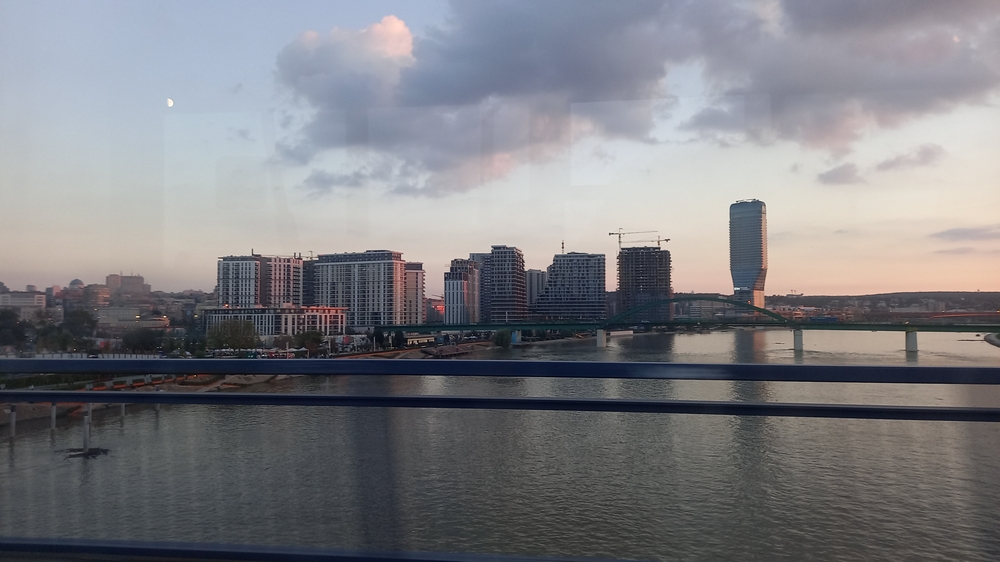
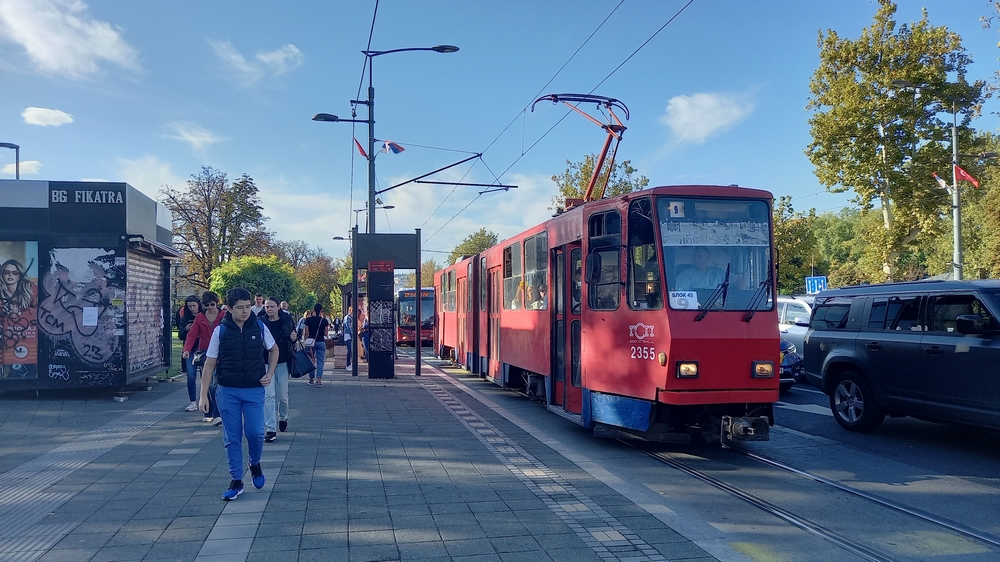
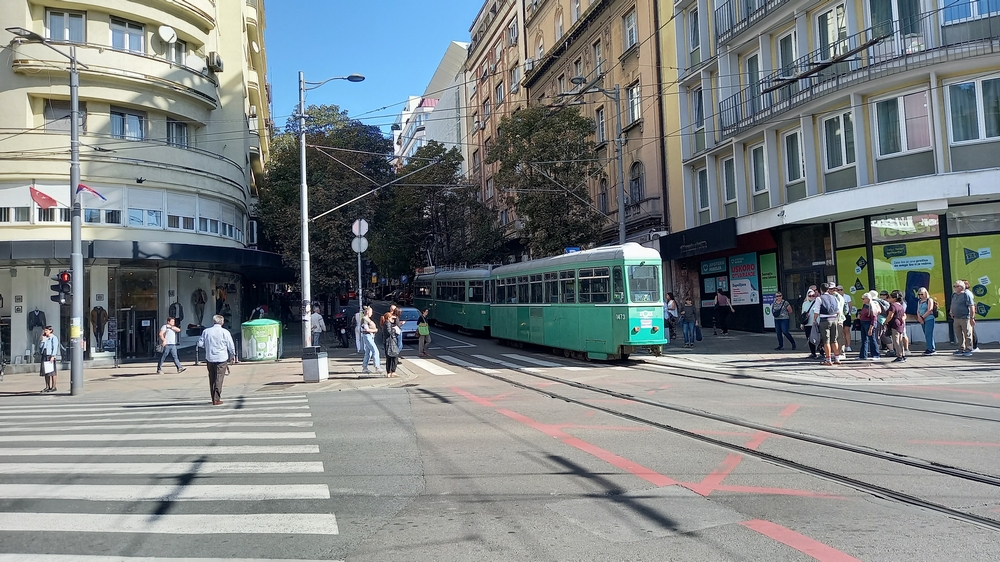
Cities have buses and trams, especially in Belgrade and Novi Sad. It is best to order taxis through official services or apps. Public transportation in Belgrade is free.
Renting a car is a good option for exploring natural areas and small towns. Roads are generally in good condition, and traffic is calmer than in many southern European countries. For a short trip, you need a modern national driver’s license, must be at least 21 years old, and have 1–2 years of driving experience.
Frequently Asked Questions
When is the best time to visit Serbia for a vacation?
May–June and September–October are considered the best months to visit: temperatures are comfortable, the weather is stable, and there are fewer tourists than in the summer. Spring delights visitors with blooming gardens and green hills, while autumn offers vineyards and beautiful landscapes.
How much will a vacation in Serbia cost?
A week-long independent trip, including flights and accommodation, will cost an average of 1,200 euros per person.
What can you bring back from Serbia?
Local wines and rakija, ajvar, cheeses, leather goods, woven rosaries, traditional headwear, sweets, and preserves, which are easy to pack in your luggage.
What is the time difference between Europe and Serbia?
Serbia is in the same time zone as Central Europe; there is no time difference. Keep in mind, however, that the country observes daylight saving time.
Where in Serbia do many expats live?
Most expats live in Belgrade and Novi Sad. In these cities, it’s easier to find multicultural shops, restaurants, and tour services.