This Southeast Asian country spans both the mainland and part of Borneo, the world’s third-largest island. But that’s not all—the country is economically more developed, especially in its western part. Thanks to its geography, it is highly diverse and attractive for tourism, yet it remains less popular than other destinations in the region. In this 2026 travel guide to Malaysia, you’ll learn the key points that will help you navigate this unique and relatively underexplored destination.
- Useful Information
- Visas and Documents
- Traveling to Malaysia
- Hotels in Malaysia
- Tours to Malaysia
- Prices and Currency
- Interesting Facts
- Beaches and Resorts
- Mobile Networks and Internet
- Cuisine and Restaurants
- Holidays and Events
- Useful Phone Numbers
- Tips from Travelers
- FAQ
Useful Information
| Capital | Kuala Lumpur (administrative center—Putrajaya) |
| Language | Malay; English is widely spoken, especially in the tourism sector |
| Currency | Malaysian ringgit (MYR); dollars and euros can be exchanged at currency exchange offices |
| Time difference | +7 hours ahead of Central European Time |
| Do you need a visa | EU citizens do not need a visa for stays of up to 90 days |
| Where do tourists go | Kuala Lumpur, Langkawi, Penang, Tioman, Redang, Pangkor |
| Best time to visit | West Coast — December through March; East Coast — April through September; dry season in Kuala Lumpur from June through August and December through February |
| Internet and communication | Widespread mobile coverage, Wi-Fi available in almost all tourist areas; WhatsApp is popular among messaging apps, and WeChat is popular among the Chinese diaspora |
Visas and Documents for Travel to Malaysia
Citizens of European Union countries do not need a visa for stays of up to 90 days. Your passport must be valid for at least six months from the date of entry and have two blank pages for stamps. You may also be asked to present a return ticket.
In addition, you must complete the Malaysia Digital Arrival Card (MDAC) three days before arrival—you will need to provide basic information about your place of residence, length of stay, and contact details. For more details, see the Useful Links section.
Traveling to Malaysia
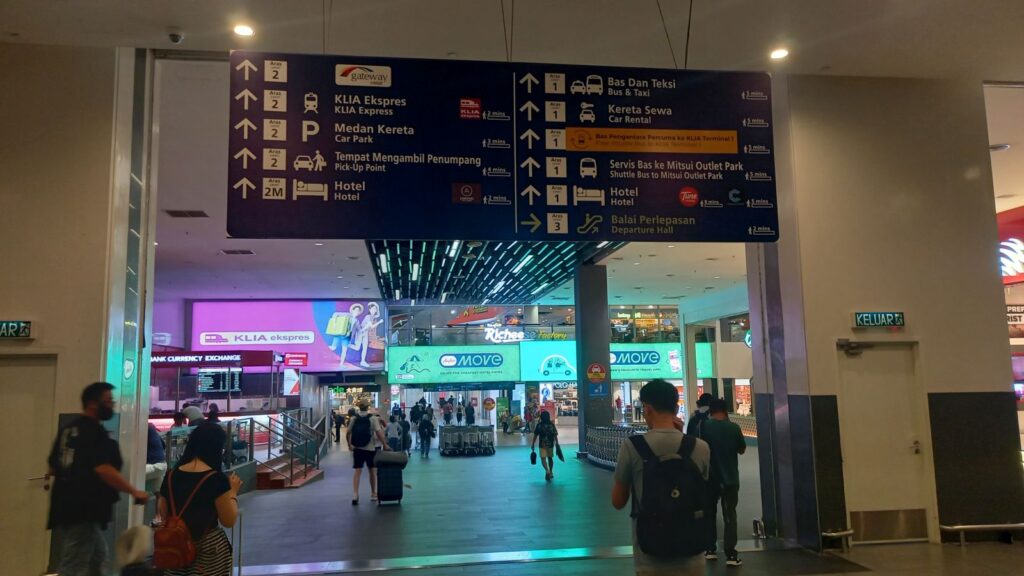
Direct flights to Malaysia depart from Paris, Frankfurt, Amsterdam, and London Heathrow Airport. Flight time from European cities ranges from 13 hours to 13 hours and 35 minutes.
There are also many connecting flights via Istanbul and countries in the Persian Gulf. If your journey includes a layover, total travel time will depend on the connection, but you should allow at least 15 hours overall.
If you’re traveling from Thailand, you can enter by land—either by bus or train. Notably, the luxury Belmond Eastern & Oriental Express, styled after the early 20th century, runs from Bangkok to Kuala Lumpur.
Hotels in Malaysia
Kuala Lumpur offers a wide range of accommodation—from affordable apartments in residential complexes to luxury hotels in skyscrapers. Meals are typically limited to breakfast, but the city boasts a vast selection of multicultural restaurants serving cuisines from around the world.
Classic beach resorts are located on the islands. All-inclusive options are not very common, but they can be found on the popular island of Langkawi.
In eastern Malaysia, on Borneo—a destination known for its authenticity—you’ll find more unusual accommodation options. For example, you can stay in a tribal hut or on a boat during a jungle cruise.
Tours to Malaysia
Due to the lack of charter flights, there are no full-fledged package tours to Malaysia—at least not like those to Turkey or Thailand. However, tour operators offer packages without flights or based on scheduled flights.
You can choose tours to hotels on the islands of Borneo, Penang, and Langkawi, as well as in Kuala Lumpur. Accordingly, vacations are typically either beach-focused or city-based. However, hotels always offer excursions in the surrounding area; in Borneo, these may include multi-day jungle tours.
Currency, and Prices in Malaysia
The local currency is the Malaysian ringgit; the exchange rate against the euro is approximately €0.22 per ringgit. You can find the current rate in the “Useful Links” section.
You can bring both euros and US dollars. It’s possible to exchange some money at the airport, but it’s usually better to use licensed exchange offices in the city. Banks also offer exchange services, but you’ll need to present your passport.
It is more выгодно to exchange large-denomination US dollars ($50 and $100), as smaller bills often receive a lower rate. Note that US dollars issued before 2009 are typically not accepted.
Interesting Facts About Life in Malaysia
About the Country
Malaysia is a country in Southeast Asia with an unusual system of government—a constitutional monarchy. The state religion is Sunni Islam.
The country is divided by the sea into two main parts: the eastern region on the island of Borneo, where it borders Brunei and Indonesia; and the western region, which borders Thailand to the north and Singapore to the south.
During the colonial period, Malaysia was influenced by the Portuguese, Dutch, and British, which is why the western part features many attractions of interest to history enthusiasts.
The eastern part, meanwhile, is known for its dense, largely untouched jungles rich in flora and fauna, indigenous tribes, and a distinctly tropical atmosphere.
For those who prefer a classic beach vacation, the islands of the western region—Langkawi, Penang, Tioman Island, Redang Island, and Pangkor Island—are ideal. Similar beach experiences can also be found in the east, particularly near Kota Kinabalu.
Climate and Weather
Malaysia is a year-round destination, but the best time to visit depends on the region.
The islands off the west coast—Langkawi, Penang, and Pangkor Island—are most pleasant from December to March or April, when rainfall is minimal and the sea is calm.
On the east coast (including the Perhentian Islands, Redang Island, and Tioman Island), the high season runs from March–April to September–October. From November to February, heavy rains are common, and many hotels close.
Borneo does not have a clearly defined rainy season; precipitation is relatively evenly distributed, though the driest period is from February to June.
Kuala Lumpur can be visited year-round, but the driest months are typically June–August and December–February.
Beaches and Resorts
Langkawi
Malaysia’s premier resort island, known for its beautiful beaches and well-developed infrastructure. Most all-inclusive hotels are located here, and the island’s duty-free status is an added bonus. Attractions include a cable car, the Sky Bridge, and scenic viewpoints.
Kuala Lumpur
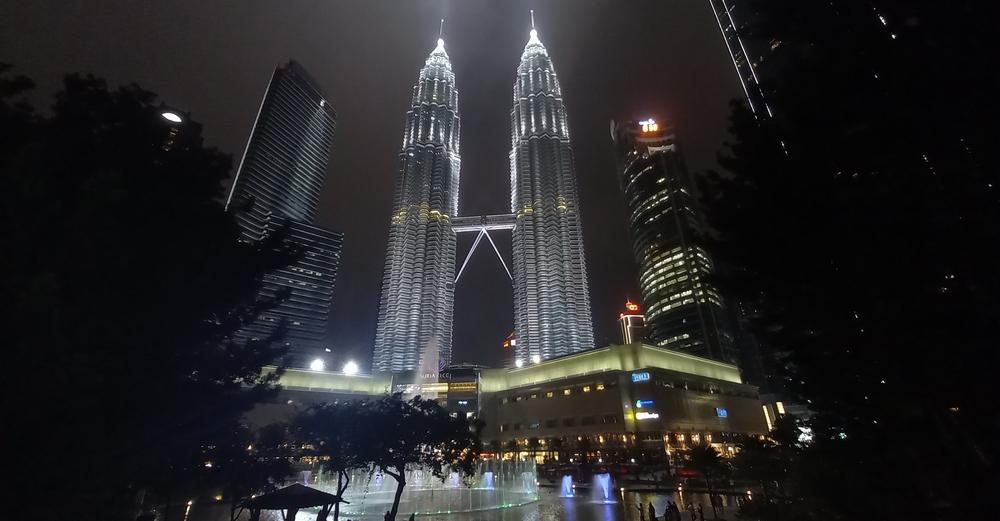
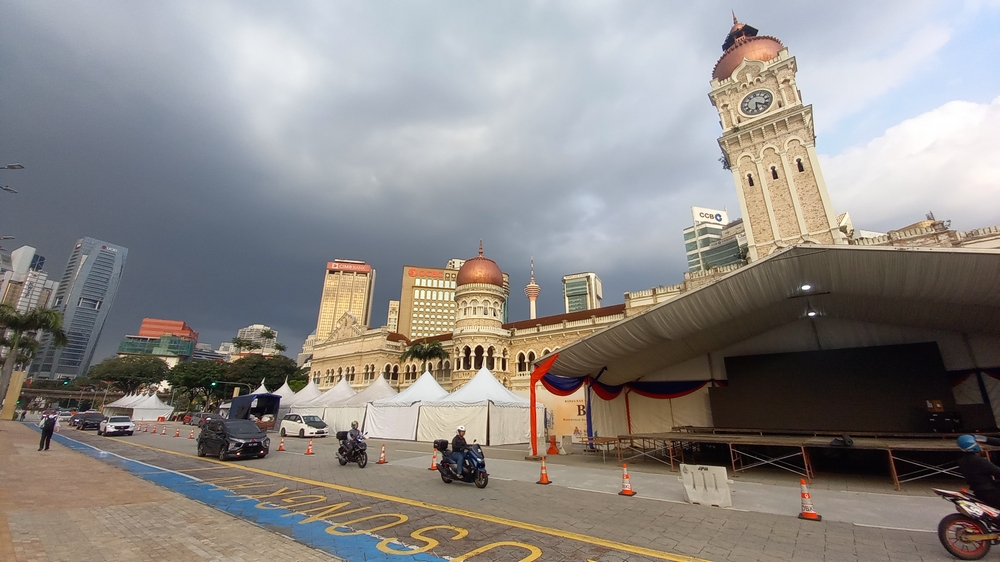
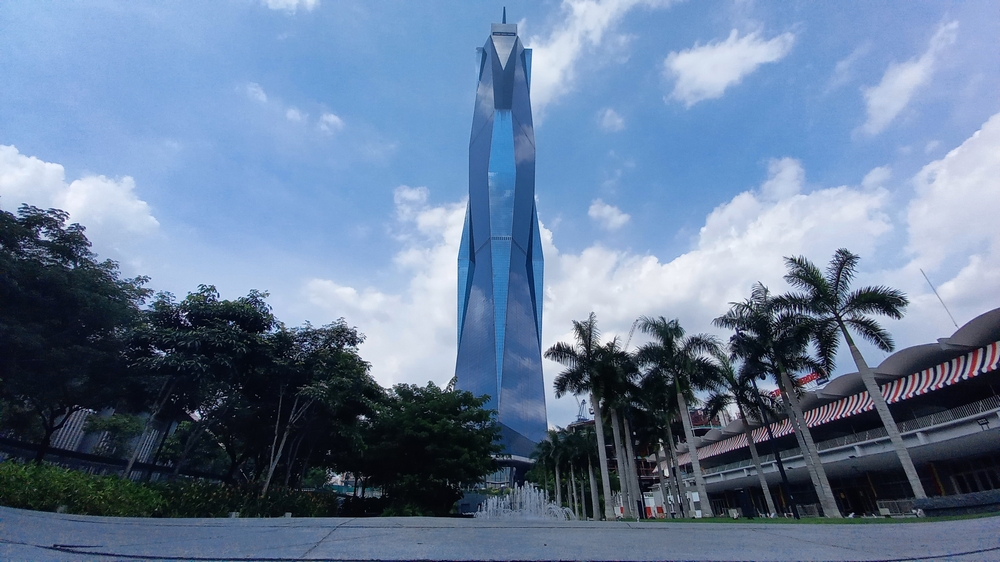
The capital is one of Southeast Asia’s most vibrant and diverse metropolises. It offers excellent shopping and a rich culinary scene blending Chinese, Indian, and Malay influences. Don’t miss the iconic Petronas Twin Towers.
Penang
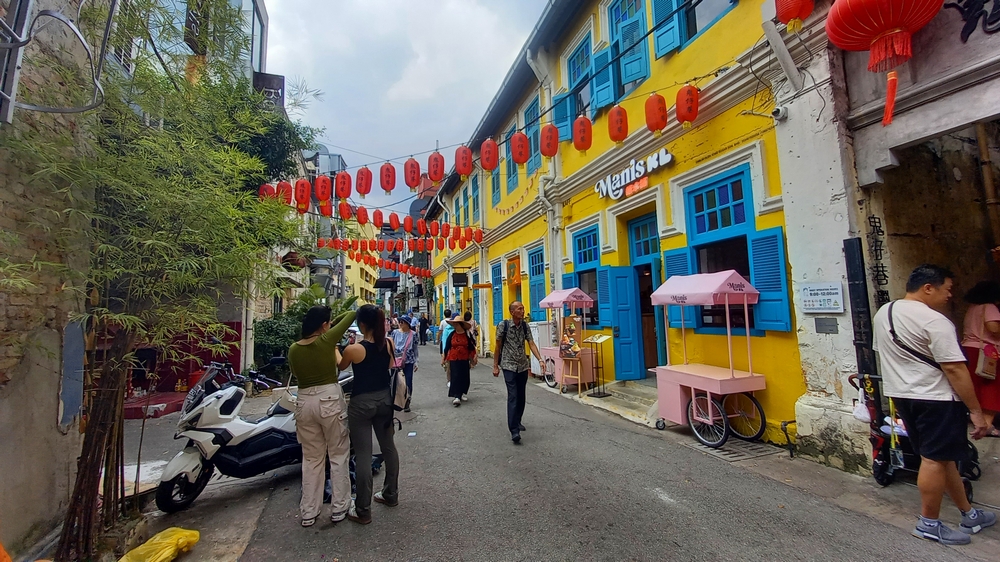
Famous for its colonial architecture and street art in George Town, a UNESCO World Heritage Site. It is also considered one of Asia’s top street food destinations.
Redang Island and Perhentian Islands
These islands offer white-sand beaches, crystal-clear water, and excellent snorkeling and diving. They are often seen as a more affordable alternative to the Maldives. Redang generally offers more upscale accommodation.
Borneo
The eastern region of Malaysia (states of Sabah and Sarawak) is best known for its nature and national parks. Visitors come to see orangutans, the rare Rafflesia, and untouched rainforest. Trekking Mount Kinabalu is best during the drier months (February–June).
Tioman Island
A quieter island with beautiful beaches, waterfalls, and excellent diving. Less crowded than Redang or the Perhentian Islands, making it ideal for a more relaxed getaway.
Cameron Highlands
A mountainous region known for its cooler climate and tea plantations. Located near Ipoh, it’s perfect for trekking and escaping the tropical heat. Rain is frequent, but February to April is relatively dry.
Mobile Networks and Internet
Malaysia is one of the most technologically advanced countries in the region when it comes to telecommunications. 4G coverage is widespread, and 5G is available in all major cities. If you have an older 3G phone (without LTE), it will most likely not connect, as this technology is being phased out.
You can buy a SIM card at Kuala Lumpur International Airport—it may be slightly more expensive than in the city, and the choice of carriers is limited, but it’s perfectly sufficient for a vacation. In cities, you can easily purchase and activate a local SIM card without a contract at any mobile carrier store; data plans are generous, and unlimited options are often available.
Almost all hotels, shopping malls, airports, and tourist attractions offer Wi-Fi. The only times you’re likely to be without a connection are during jungle trekking or while exploring rivers and national parks in Borneo.
Cuisine, Restaurants, Cafés
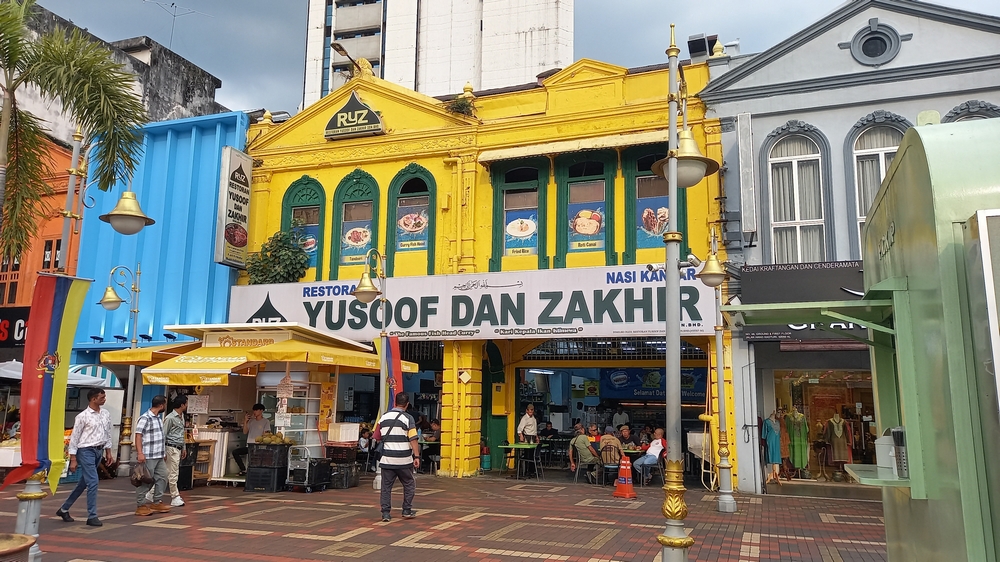
Malaysian cuisine is one of the most diverse in the region, blending Malay, Chinese, and Indian traditions. Modern Malaysian food offers a wide variety of dishes to suit every taste—from mild to extremely spicy.
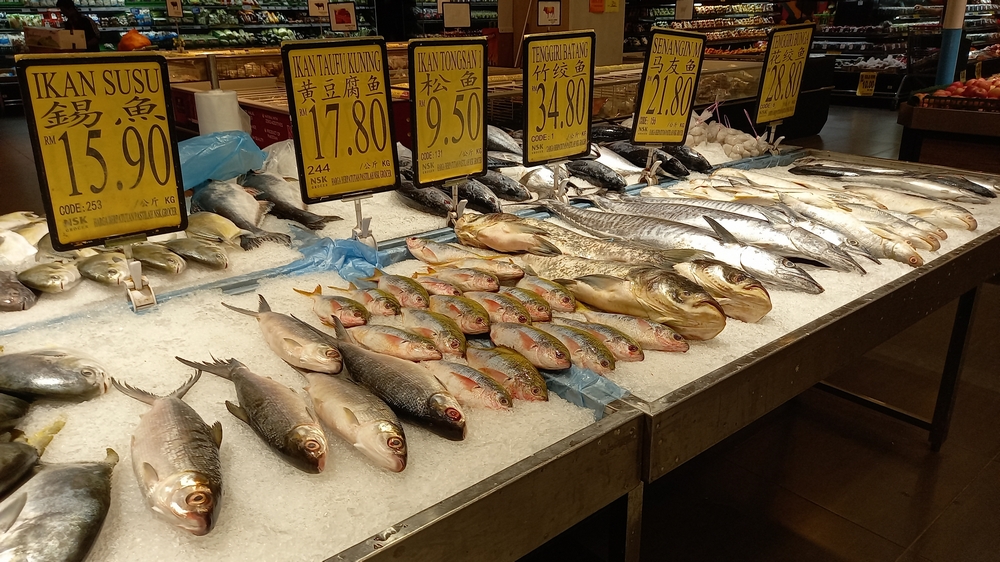
The main national dish is Nasi Lemak—rice cooked in coconut milk, served with anchovies, peanuts, and spicy sambal. Other popular dishes include Laksa, Satay, Nasi Goreng, and Mie Goreng. Indian cuisine is also widespread, with roti flatbreads and various curries, as well as seafood dishes—especially on the islands.
In major cities and tourist areas, you’ll find restaurants and cafés to suit every budget; around 149 establishments are listed in the Michelin Guide. In Kuala Lumpur, don’t overlook food courts in shopping malls—they are generally of a high standard. Street food is also extremely popular and offers a great way to experience local cuisine.
As Malaysia is a predominantly Muslim country, pork is typically only served in Chinese restaurants, which are widely available.
Holidays and Events
Major Muslim holidays are widely celebrated in Malaysia, alongside important festivals of the Indian and Chinese communities. It is common for people of different religions to celebrate together.
- New Year’s Day — January 1
- Thaipusam — celebrated at Batu Caves (January 22, 2027)
- Chinese New Year — February 6, 2027
- Eid al-Fitr — end of Ramadan (March 9, 2027)
- Labor Day — May 1
- Eid al-Adha — (May 26, 2026)
- Mawlid — (August 25, 2026)
- Independence Day (Merdeka) — August 31
- Malaysia Day — September 16
- Diwali — November 8–9, 2026
In addition to colorful celebrations like Thaipusam and Chinese New Year, Malaysia hosts one of the region’s most unique music events—the Rainforest World Music Festival. It takes place in the jungles of Borneo, in a cultural village in Sarawak near Kuching. In 2026, it is scheduled for June 26–28.
Useful Phone Numbers
- General emergency number (any phone): 999
- Emergency number without a SIM card: 112
- Fire department: 994
- Rescue service: 991
Useful Links
- Malaysia Digital Arrival Card (MDAC): https://imigresen-online.imi.gov.my/mdac/main
- Ringgit to euro exchange rate: https://www.google.com/finance/quote/EUR-MYR
Useful Tips from Travelers in Malaysia
Insurance
Travel insurance is not required for a trip to Malaysia. However, the country is expensive by regional standards, including medical costs, so we recommend purchasing a policy for the duration of your trip. This is especially true if you plan to visit the jungle or go on active trekking excursions. You can use the form above.
What You Cannot Import or Export from Malaysia
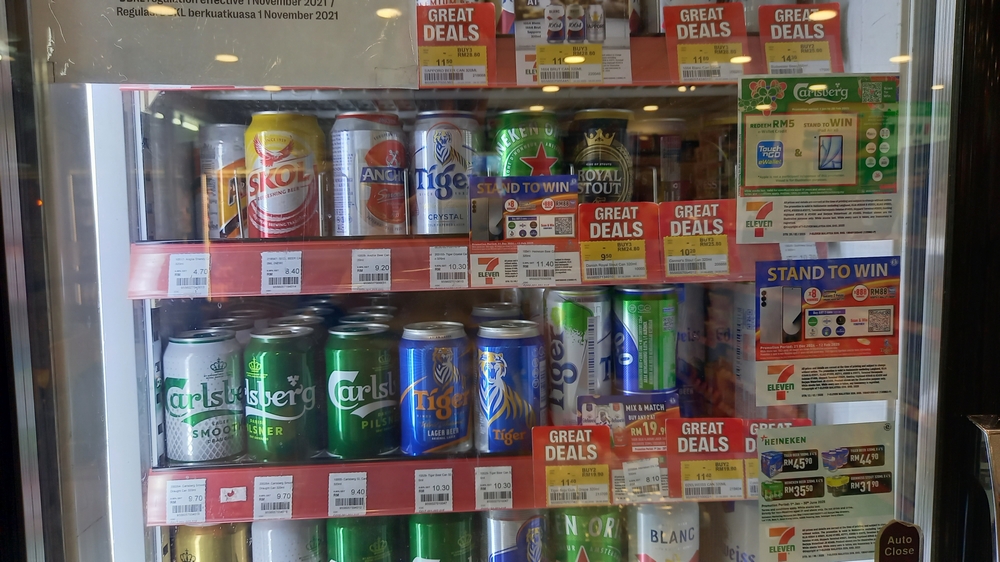
You cannot bring into Malaysia without declaring more than 200 cigarettes, 50 cigars, or 225 g of tobacco; more than 1 liter of spirits, wine, or liqueurs; or currency equivalent to more than 10,000 U.S. dollars. In addition, you cannot import any plants or even wooden items without declaration and phytosanitary inspection.
It is prohibited to import pornographic materials, atheistic publications, materials defaming the monarchy or Islam, and clothing bearing verses from the Quran. You should also avoid attempting to bring in more than 100 g of gold and, for some reason, radios. Additionally, you cannot import goods from Israel—not even banknotes or coins.
When importing prescription medications, especially those containing psychotropic substances, you must carry a prescription in English.
Do not import drugs—this advice is obvious, but in Malaysia, doing so will most likely result not in a prison sentence, but in the death penalty.
Shopping
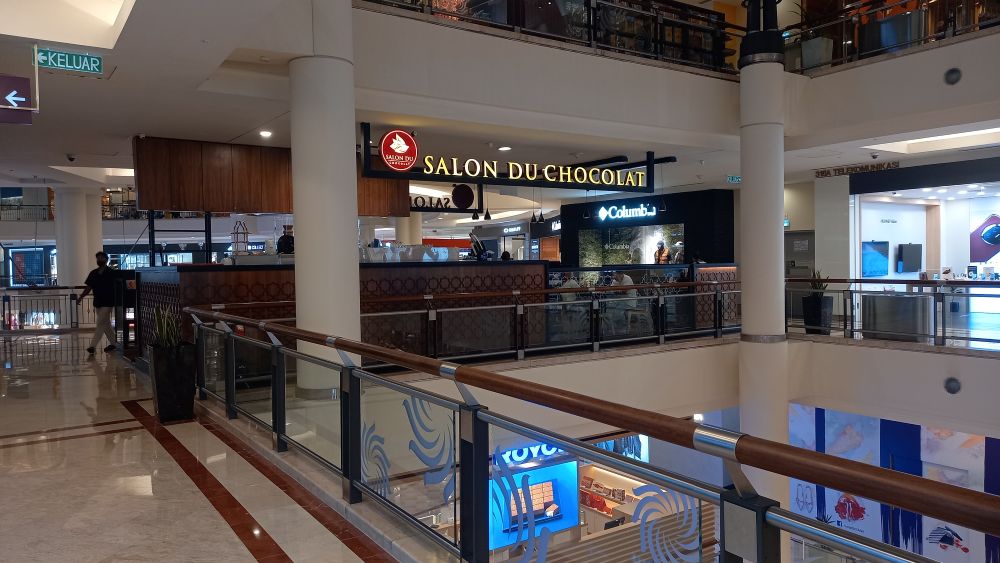
Kuala Lumpur has a huge number of shopping centers, including quite a few high-end malls. You certainly won’t want to miss the one located in the famous Petronas Twin Towers.
Sales take place in February or March, before Chinese New Year (Malaysia Super Sale), in August–September, and around Christmas.
For souvenirs, consider purchasing items with a national flair: batik, songket (fabric with gold threads), tin ornaments, and Malaysian pearls. Also pick up some organic coconut oil cosmetics.
Langkawi Island has a unique feature—duty-free shops—but these mainly sell food and alcohol, which are priced at about half the cost of those on the mainland.
Safety
Malaysia is one of the safest countries in Southeast Asia, but in crowded areas of Kuala Lumpur, such as Chinatown and Bukit Bintang, you should hold onto your bags tightly and keep your valuables out of sight.
Public Transportation
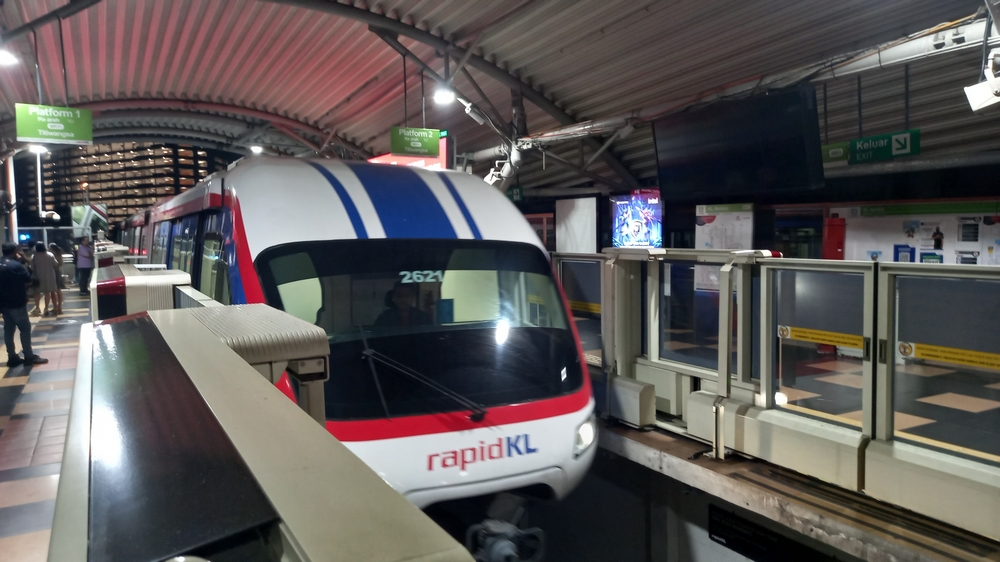
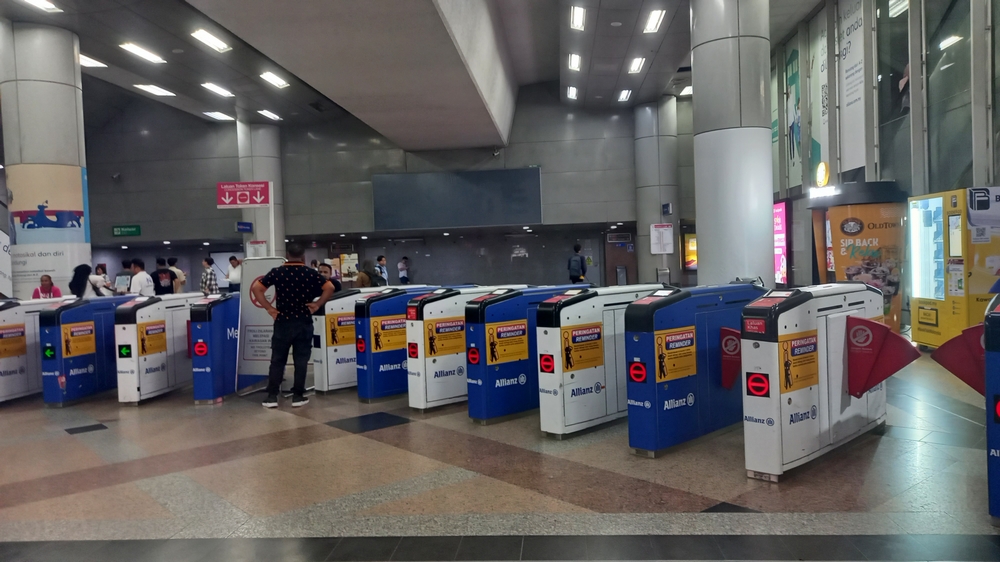
In Kuala Lumpur, you’ll find practically every mode of transportation, including various metro systems, commuter trains (you can take one to Batu Caves, for example), and even a monorail—be sure to try it.
The most popular app for hailing a taxi is Grab. You can also use it to order food, link a foreign bank card, and pay for purchases via QR code—even at markets.
Car rental is available, but in addition to your national driver’s license, you’ll need an international driving permit in the form of a booklet with translations into several languages. In Langkawi, according to tourist reviews, any driver’s license is sufficient.
To avoid offending the local population, remember to observe the dress code and cultural norms—this is a Muslim country. Do not wear overly revealing clothing, and do not hand over money with your left hand.
Frequently Asked Questions
When is the best time to visit Malaysia for a vacation?
The west coast (Langkawi, Penang) is best visited from December to March, while the east coast (Perhentian Islands, Redang, Tioman) is best from April to September. Kuala Lumpur is comfortable year-round, but the dry season there runs from June to August and from December to February.
How much will a vacation in Malaysia cost?
A week-long vacation in Langkawi at a basic hotel will cost around 2,000 euros for two people, including flights; at an all-inclusive hotel, it will cost more than 3,500 euros. Much depends on airfare prices.
What can you bring back from Malaysia?
Great options include items with a national flair, such as batik, songket (fabric with gold threads), tin jewelry, or Malaysian pearls. Malaysia is also famous for its organic coconut oil cosmetics.
What is the time difference between Europe and Malaysia?
The time difference between Western Europe and Malaysia is 7 hours, and 6 hours with Eastern Europe; the day starts significantly earlier in Malaysia. The country does not observe daylight saving time.
Where in Malaysia do many expats live?
Most expats settle in Kuala Lumpur, most often in the Mont Kiara area due to its well-developed infrastructure for families with children. Many also live and work in the tourism industry in Langkawi and Penang.