Giant skyscrapers in Seoul and Busan, advanced high-tech, globally popular K-pop, ancient monasteries, and unique Eastern culture define one of Asia’s most developed and diverse countries. An almost visa-free regime offers a pleasant bonus. You just need an electronic travel authorization to enter South Korea, and citizens of many countries do not even need this. Our 2026 South Korea guide explains how to get it. We will also introduce you to the “Land of Morning Calm,” the poetic name for this state.
- Useful Information
- Visas and Documents
- Traveling to South Korea
- Tours to South Korea
- Hotels in South Korea
- Prices and Currency
- Interesting Facts
- Beaches and Resorts
- Mobile Networks and Internet
- Cuisine and Restaurants
- Holidays and Events
- Useful Phones and Links
- Tips from Travelers
- FAQ
Useful Information
| Capital | Seoul |
| Language | Korean. Locals widely speak English in major cities, especially in tourism |
| Currency | South Korean won (KRW). Banks and exchange offices accept US dollars and euros |
| Time difference | +8 hours (UTC+9) |
| Do you need a visa | Tourists can stay visa-free for up to 60 days (using the K-ETA or just arrival card) |
| Where do tourists go | Seoul, Busan, Gyeongju, Jeju Island, Gangwon Province, Suwon, Paju, and in winter, Yongpyeong and Muju |
| Best time to visit | April and May offer comfortable weather and blooming cherry blossoms. September and October are also great. Summer brings monsoon rains and high heat |
| Internet and communication | 4G LTE and 5G cover the country. Many public places offer free Wi-Fi. KakaoTalk is the most popular messenger |
Visas and Documents for Travel to South Korea
Most tourists do not need a visa for trips up to 60 days. However, they must obtain the K-ETA (Korea Electronic Travel Authorization) in advance. You will find the application website in the “Useful Links” section.
The application requires your passport details, flight number, arrival point, and hotel name, address, and contacts. The website accepts a 10,000 KRW fee. You must submit the application at least three days before your trip.
Visa-Free Entry to South Korea
Citizens of many countries do not need K-ETA. Here is the list of these states.
| Africa | South Africa |
| America | Canada, Chile, Colombia, Mexico, United States |
| Asia | Brunei, Hong Kong, Japan, Macao, Singapore, Taiwan |
| Europe | Austria, Belgium, Bulgaria, Croatia, Cyprus, Czech Republic, Denmark, Estonia, Finland, France, Germany, Greece, Hungary, Iceland, Ireland, Italy, Latvia, Liechtenstein, Lithuania, Luxembourg, Malta, Monaco, Netherlands, Norway, Poland, Portugal, Romania, San Marino, Slovakia, Slovenia, Spain, Sweden, Switzerland, United Kingdom, Vatican |
| Middle East | Bahrain, Israel, Kuwait, Oman, Qatar, Saudi Arabia, United Arab Emirates |
| Oceania | Australia, Fiji, Kiribati, Marshall Islands, Micronesia, Nauru, New Caledonia, New Zealand, Palau, Samoa, Solomon Islands, Tonga, Tuvalu |
Travelers from these countries must fill out an e-Arrival Card on the official website before their trip.
Document Requirements
- Your passport must remain valid for at least six months after your departure date. It also needs two blank pages for stamps or visas.
- Border guards may ask for a return or onward ticket.
- In rare cases, officers might ask about your accommodation. You can simply show a hotel booking or a hostel address.
If you plan to stay over 90 days or visit for study, medical treatment, or work, you must apply for the appropriate visa at a South Korean consulate.
Traveling to South Korea
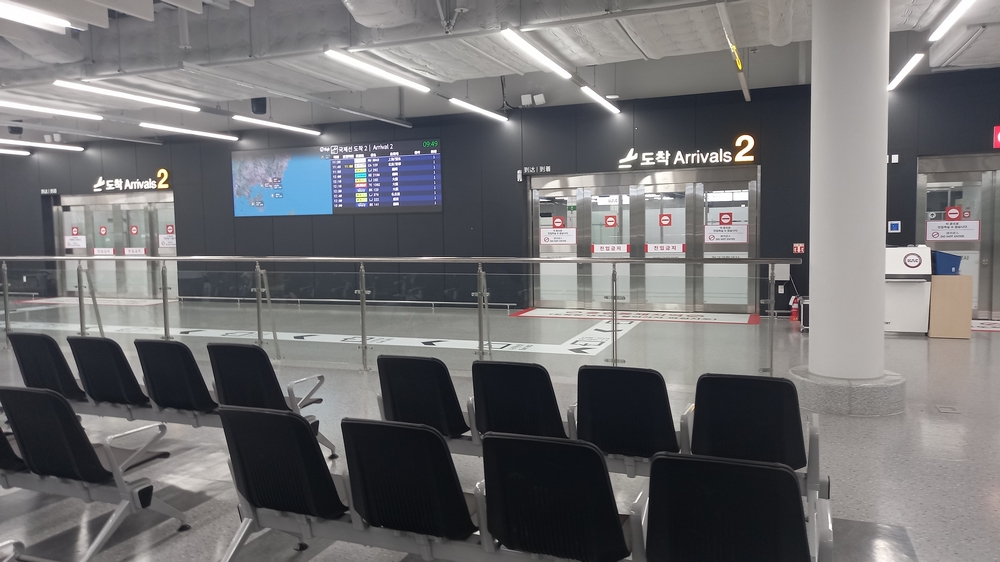
Direct intercontinental flights from Europe and North America operate exclusively to the country’s main hub—Seoul (Incheon International Airport, ICN).
Important note regarding Busan: There are currently no direct scheduled passenger flights from Europe and North America to Busan (Gimhae Airport, PUS). To get to Busan, travelers fly into Seoul and then transfer to a domestic flight (a 1-hour trip) or take the famous KTX high-speed train, which will get you to Busan in 2.5–3 hours.
Direct Flights to South Korea from Europe
| Country | City (airport) | Airlines |
|---|---|---|
| United Kingdom | London (Heathrow) | British Airways, Korean Air, Asiana Airlines |
| France | Paris (Charles de Gaulle) | Air France, Korean Air, Asiana Airlines |
| Germany | Frankfurt | Lufthansa, Korean Air, Asiana Airlines |
| Italy | Rome (Fiumicino), Milan (Malpensa) | ITA Airways, Korean Air |
| Spain | Madrid, Barcelona | Korean Air |
| Turkey | Istanbul (IST) | Turkish Airlines |
Direct flights to South Korea from North America
| Country | City (airport) | Airlines |
|---|---|---|
| United States | New York, Los Angeles, San Francisco, Chicago, Seattle, Atlanta, Dallas, Washington, D.C., Denver, Honolulu | Korean Air, Asiana Airlines, Delta Air Lines, United Airlines, American Airlines, JetBlue |
| Canada | Toronto, Vancouver | Air Canada, Korean Air, Asiana Airlines |
Check with your airline for current schedules. Search aggregators like Trip.com or Kiwi.com help you find specific flights.
Tours to South Korea
Tour operators offer tours to South Korea without flights or with seats on scheduled flights connecting through Beijing, since there are no direct flights—including charter flights.
Tours are available to two cities—Seoul and Busan—but there are no pre-packaged tours to Jeju Island. However, you can choose an interesting theme—such as a K-pop tour—and include a medical checkup at one of the Korean clinics in your itinerary.
Tour operators offer excursions from hotels to destinations outside the cities—such as temples, palaces, and traditional villages. There are no classic “all-inclusive” beach vacations; South Korea is more about sightseeing, history, medicine, and Eastern culture.
Hotels in South Korea
South Korea offers many accommodation options. You can choose from standard city hotels to traditional homes with local charm. Even familiar hotels offer unusual features. City hotels often include sophisticated heated bathrooms. They feature built-in bidets with multiple settings. Hotels do not provide disposable toiletries like razors, combs, or toothbrushes. Pack your own supplies.
Travelers easily find hotels of any category in Seoul and Busan. You can also book global chains like Four Seasons, Hyatt, JW Marriott, and Sheraton. The Korean Lotte chain operates very popular hotels. High-end hotels sometimes deploy robot concierges.
Seek an authentic experience? Stay in traditional Korean houses. These homes boast centuries of history. They use the unique ondol heating system. A cooking stove heats the floors directly. Guests sleep directly on the warm floor. These rooms lack traditional beds.
Other unique options exist. Budget “yogwan” hotels offer similar underfloor heating and shared facilities. Motels provide convenient stays. Rural homeowners convert “minbak” into guesthouses with kitchens. You can even sleep in saunas or temples. Jeju Island hosts popular beach resorts. Local owners rent private homes to tourists. They run them on a “bed and breakfast” basis.
Currency and Prices in South Korea
South Korea uses the won (KRW) as its national currency. The won has no subdivisions called jeon. Banknotes circulate in 1,000, 2,000, 5,000, 10,000, and 50,000 won denominations. Coins come in 1, 5, 10, 50, 100, and 500 won values.
You can exchange currency at exchange offices, banks, and ATMs. Foreign bank cards work at ATMs. Exchange offices offer the best rates. Myeongdong in Seoul provides the most favorable rates. Banks operate with inconvenient hours. They require your passport. Airport exchange rates stay unfavorable. Exchange only enough money for immediate needs at the airport.
Merchants accept foreign bank cards everywhere. They also accept QR code payments.
Tourists can purchase the local WowPass card. This option offers convenience. Merchants accept WowPass for payment everywhere. The card also functions as a transit card. You can top up the card via the app. The app accepts UnionPay, Visa, and Mastercard. You can also add cash at terminals. Every subway station hosts these terminals. The WowPass website shows a map of terminal locations. Find the link in the “Useful Links” section.
Interesting Facts About Life in South Korea
About the Country
South Korea sits in East Asia on the southern Korean Peninsula. The Yellow Sea borders the country to the west. The East Sea (or Sea of Japan) borders it to the east. The Korea Strait borders it to the south. North Korea forms its only land border to the north. Tense relations prevent travelers from crossing into North Korea. China and Japan share maritime borders with South Korea.
South Korea operates as a presidential republic. The country ranks among Asia’s most developed democracies. It also ranks among the world’s safest countries with low crime rates. People recognize South Korean residents for their hard work and active lifestyles.
Religious attitudes in South Korea stay generally relaxed. About half the population practices no religion. Among believers, most follow Christianity or Buddhism. Christians outnumber Buddhists. Christians account for about a quarter of the population.
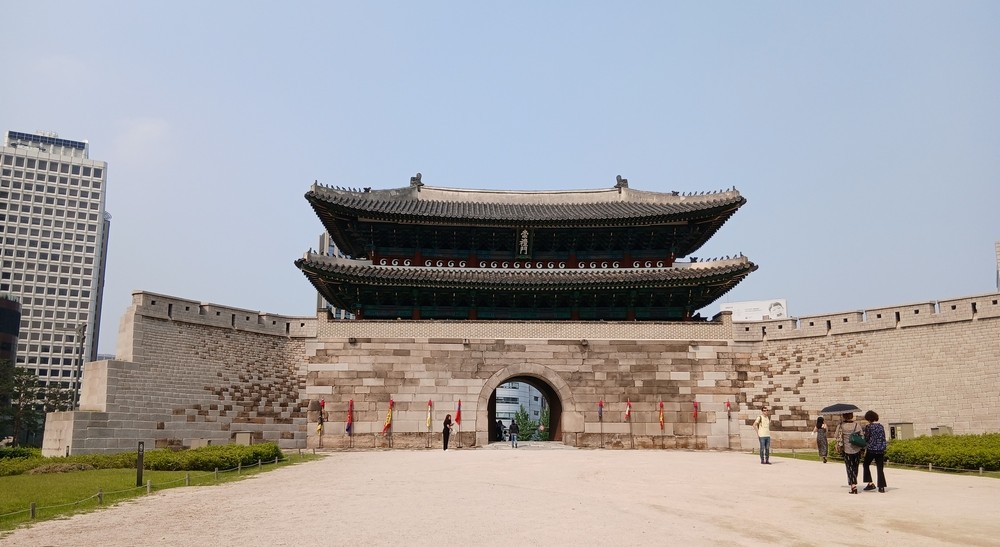
South Korea attracts tourists with unique contrasts. Futuristic metropolises feature skyscrapers and high technology. Ancient palaces, Buddhist temples, and traditional villages offer historical charm.
South Korea hosts many natural national parks and protected areas. Dense metropolises coexist with these natural spaces. Mountainous terrain covers about 70% of the country’s territory.
The country developed a strong tourism sector. Modern Korean culture drives visitor interest. Natural cosmetics attract shoppers. Street food and markets offer culinary experiences. High-quality shopping, Buddhist temples, and cutting-edge technology complete the appeal.
Climate and Weather
South Korea offers four distinct seasons. Spring brings cherry blossoms. Summer brings monsoon rains. Fall displays golden maple leaves. Winter offers snowy ski resorts.
The best time to visit runs from late March through May. Cherry blossoms bloom from mid-March to mid-April. This natural spectacle ranks among the world’s most beautiful. Spring weather stays pleasant, dry, and sunny. Humidity levels remain comfortable.
Summer brings heat and humidity across the country. The sea surrounds South Korea on three sides. The changma monsoon arrives from late June through late July. Heavy rains fall almost daily during this period. High humidity and stifling heat accompany the rainfall. Summer accounts for 60–70% of annual precipitation. August reaches peak temperatures. Typhoons can strike the southern coast.
September, October, and early November offer excellent visiting conditions. The monsoon rains end. Temperatures cool. Comfortable weather returns alongside vibrant red maple foliage and harvest celebrations.
Winters stay cold but mostly dry and sunny. January brings the coldest temperatures with sub-zero readings. Siberian winds sweep across the landscape. Tourists head to Yongpyong and Muju ski resorts during winter months.
Beaches and Resorts
Seoul
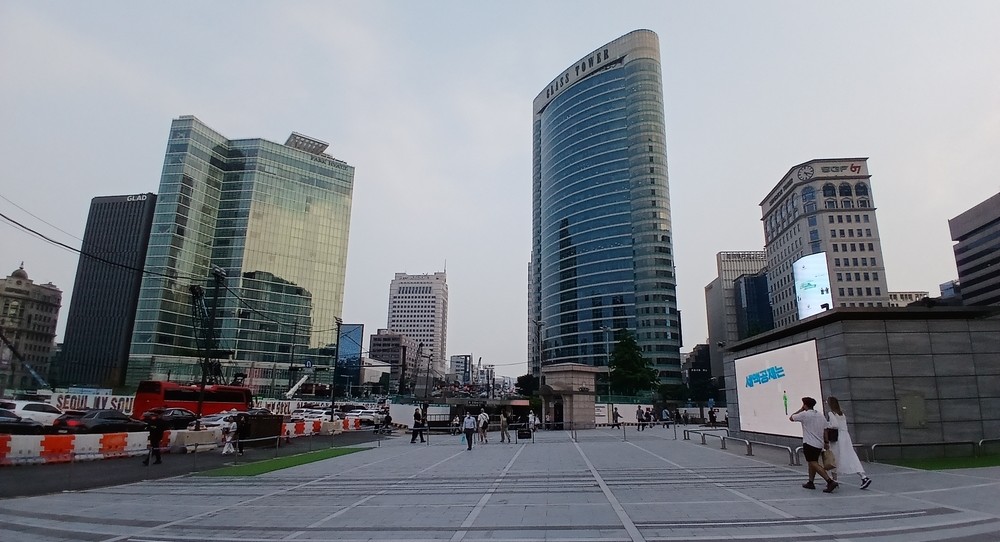
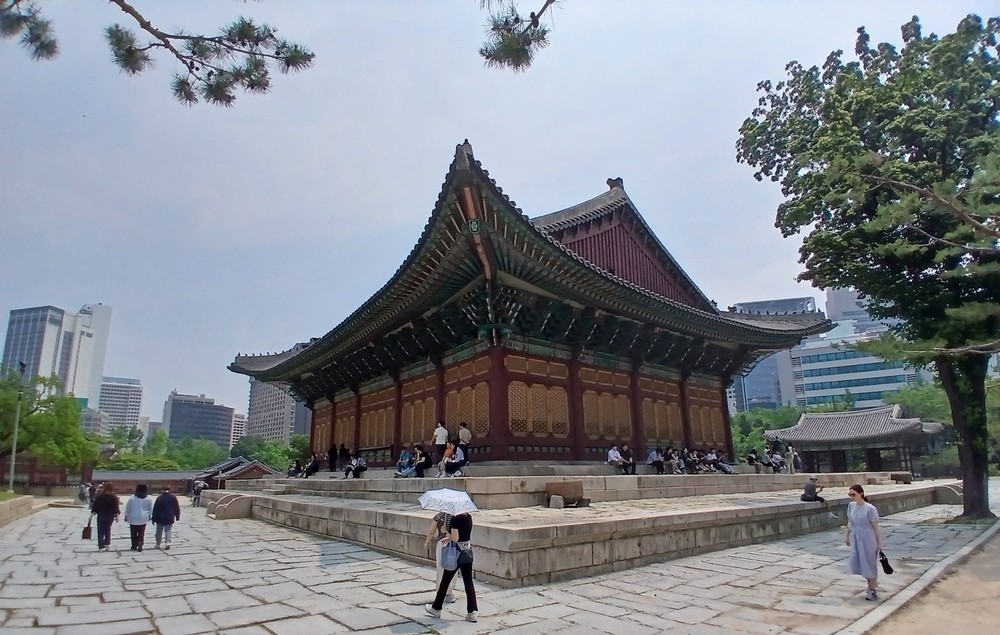
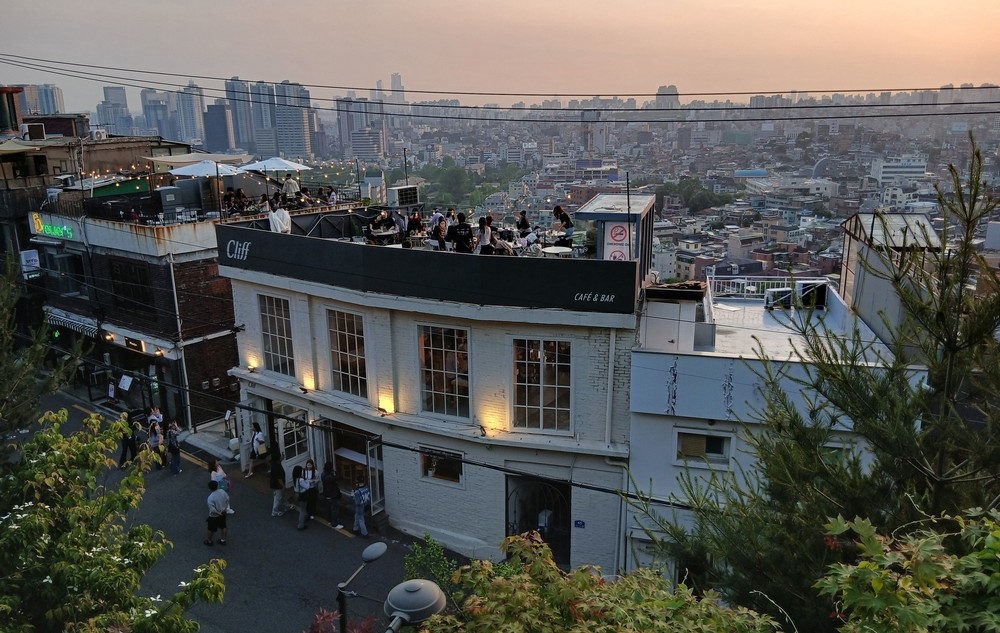
The capital, the country’s largest metropolis, and its main tourist and cultural hub. Travelers are drawn to the ancient imperial palaces, the famous TV tower, the bridge with a built-in fountain, various museums, and skyscraper districts, including the famous Gangnam, known for the popular music video “Gangnam Style.” There are also many places around the capital—for example, Hwaseong Fortress, a 40-minute train ride away; the suburb of Incheon, home to the country’s only official Chinatown and a historic port; the Demilitarized Zone on the border with North Korea; and Everland, Korea’s largest amusement park.
Busan
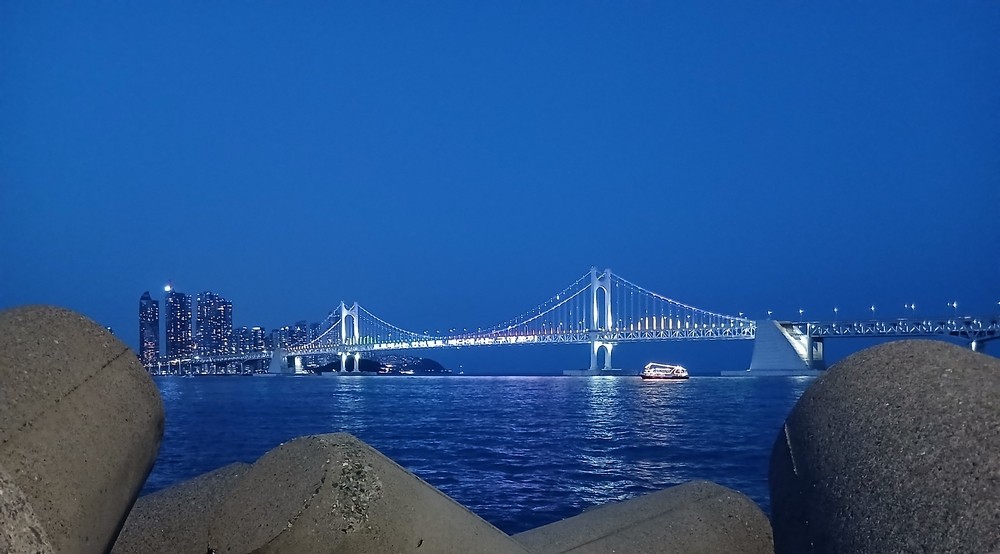
Those who have been to Vladivostok will notice similarities between the two cities—magnificent bridges, hills, and the Pacific Ocean. What makes Busan unique is its combination of an extremely high level of urbanization, massive interchanges, and skyscrapers with natural parks surrounding the city and beaches located both outside the city and right in the heart of this bustling metropolis. At Haeundae Beach, you’ll find high-rises on one side and a wide strip of sand on the other, where the famous sand sculpture festival takes place. But even more amazing is Kwanalli Beach—a place where you can swim in the sea with a direct view of the giant cable-stayed bridge. It’s impressive both during the day and at night.
Jeju Island
The island is considered the premier destination for seaside vacations, but it’s famous for more than just its beautiful beaches. It is here—not on the mainland—that South Korea’s highest peak is located: the 1,947-meter-high extinct volcano Hallasan, with its lava tunnels. Also located here are the very photogenic Cheonbang and Cheonjeyeon Waterfalls, the Chusan Cheolli rock pillars, and Seongsan Ilchulbong Peak—a volcanic cone with a crater rising out of the water. The entire island is listed as a UNESCO World Heritage Site.
Gangwon Province
Gangwon Province is located in northeastern South Korea, bordering the North Korean province of the same name. Here, tourists can enjoy a combination of mountain and beach vacations. Seoraksan National Park features the country’s most beautiful mountains and Buddhist monasteries accessible by cable cars. Ski resorts, including the most famous one, Yongpyong, are also located in this province. The largest rivers, which supply almost the entire country with fresh water, originate in the local mountains. Beach vacations here are peaceful, free from the noise of the big city and the hustle and bustle of large resorts.
Jeonju
This is the heart of traditional Korea: it is home to the country’s largest village of traditional hanok houses—more than 700 of them—as well as the birthplace of one of Korea’s signature dishes, bibimbap. Traditional cultural festivals are held here, people wear the traditional Korean hanbok on the streets, and tea ceremonies are organized. To round out this rich array of experiences, visit the Jeonju National Museum, one of the largest of its kind.
Gyeongju
The ancient capital of the Silla Kingdom, with an unimaginable number of historical sites throughout the city, including numerous museums—both open-air and indoor. In the city center stand the Tumuli—huge burial mounds of the kings. You can round out your experience at Seokguram Grotto with its marble Buddha, in the village of Yangdong with its traditional Joseon-dynasty hanok houses, or on a tour of Cheomseongdae Observatory, one of the oldest in Asia.
Mobile Networks and Internet
South Korea ranks among the world’s most technologically advanced countries. The country operates one of the fastest mobile networks. 5G coverage reaches nearly every corner of the territory, including mountains and islands. Travelers enjoy uninterrupted mobile service even in subways and on high-speed trains.
Three major mobile operators dominate the market. SK Telecom leads with the best coverage. Korea Telecom holds second place. LG U+ completes the top three. Virtual network operators (MVNOs) also serve customers. They use the infrastructure of the major carriers. Examples include KT M mobile, SKT 7mobile, and LG Hello Mobile.
Travelers can buy SIM cards at airport mobile operators counters in the arrivals area. CU, GS25, and 7-Eleven stores also sell them. Bring your passport. Some cases require your Arrival Card too.
Mobile operators offer plans with data limits from 5 to 10 GB. Unlimited plans are also available. Prices range from approximately 22,000 to 55,000 South Korean won.
Airport travelers can also rent compact Wi-Fi routers. These devices connect multiple gadgets simultaneously. Families and groups find this option convenient. Rental costs range from 15,000 to 40,000 won depending on duration. Deposits range from 50,000 to 100,000 won.
Roaming services work in South Korea, but costs stay very high. Set up an eSIM before your trip if your phone supports this feature.
Many places offer free Wi-Fi. All trains provide free access. Every Seoul subway station connects to free Wi-Fi. Buses and almost all public spaces also offer free connections. The “Seoul Public Wi-Fi” network lets you connect via SMS or registration. Hotels naturally provide free Wi-Fi for guests.
Cuisine, Restaurants, Cafés
Korean cuisine is one of the healthiest and most balanced, featuring plenty of vegetables and fermented foods. However, many people may find it spicy, especially if you’ve never been to Asia before.
Must-try dishes for tourists include:
- kimchi jjigae—stewed kimchi with tofu, pork, or tuna;
- samgyetang—chicken stuffed with rice and ginseng;
- kalbitang—beef short rib soup;
- sundubu jjigae—spicy soup with soft tofu and seafood;
- bibimbap—rice with vegetables, meat, and egg;
- Korean ramen (ramyeon).
Try these meat-based main dishes: samgyeopsal (pan-fried pork belly), kalbi (marinated beef short ribs), and bulgogi (grilled beef).
Korean restaurants serve appetizers with the main course. Staff often refill these dishes without limit. You may receive various kimchi types, sliced vegetables, dried seaweed, pickled radish, and rice cakes (tokbokki). Tokbokki also works as popular quick street food.
Street food vendors offer other options. Try Korean hot dogs with rice coating, filled with sausage and cheese. Grilled seafood on skewers makes a great snack. Traditional Korean pancakes called bindaetteok are also available.
Cities offer many traditional restaurants. We recommend samgyeopsal barbecue restaurants. You cook your own food on a table grill. Another unusual experience awaits in jimjilbang saunas. You can eat there and usually stay overnight too.
Tourists can grab budget-friendly bites at street food stalls. Convenience stores like GS25 or 7-Eleven also serve quick meals. These stores provide microwaves and tables.
For an expensive but interesting experience, try omakase. This tradition originated in Japan. The chef serves seasonal culinary masterpieces of their own choosing. The set often includes more than 10 courses.
Vegetarians will find South Korea challenging. Even dishes without meat or fish can hold surprises. Vegetable dishes often contain fish sauce or broth. Kimchi usually contains fish sauce too.
Drinks and alkohol. Koreans prefer soju, rice wine, and beer. The “Chimaek” trend gains popularity. This trend pairs chicken and beer together. Locals drink plenty of tea. They also enjoy coffee.
Tipping is not customary in South Korea. Staff may take offense at such gestures from guests. Some expensive restaurants occasionally include a 10% service charge on the bill.
Holidays and Events
South Korea has 15 official holidays. On these days, banks, government offices, and many stores are closed. If a holiday falls on a weekend, the following Monday becomes a holiday.
- New Year’s Day (Gregorian calendar) — January 1
- Seollal or Seol, Lunar New Year — the first day of the first lunar month (January–February), lasts three days
- Independence Day from Japan — March 1
- Children’s Day — May 5
- Memorial Day — June 6
- Liberation Day from Japan—August 15
- Harvest Festival—the 15th day of the 8th lunar month (September–October), lasting three days
- Foundation Day of the Korean State—October 3
- Hangul Day—October 9
- Christmas—December 25
South Koreans also enjoy various festivals, many of which are celebrated according to the lunar calendar.
- Buddha’s Birthday and the Lotus Lantern Festival—the 8th day of the 4th lunar month (May)
- Tanno—a summer festival in Gangneung—the 5th day of the 5th lunar month (June)
- Cherry Blossom Festival—late March to early April
- Jeju Fire Festival, featuring the burning of fields for fertilization—February–March
- The Poryeon Mud Festival, one of the most fun 10-day festivals — July
- Maple Festival — October
- Seoul Jazz Festival — May–June
- Pentaport Rock Festival in Incheon — July–August
Useful Phone Numbers
| Police | 112 |
| Ambulance, Fire Department | 119 |
| Coast Guard | 122 |
| Tourist Hotline | 1330 |
| Find hospitals with English-speaking staff | 1339 |
| English-speaking taxi drivers | +82-2-1661-9933 |
| Korean National Railways (Information) | 1588-7788 |
| Incheon Airport (Information) | 1577-2600 |
| Gimpo Airport (Information) | 1577-2000 |
Useful Links
- Applying for a K-ETA entry permit: k-eta.go.kr/portal/newapply/index.do
- Filling out the Arrival Card: e-arrivalcard.go.kr/portal/main/index.do
- Euro to South Korean Won Exchange Rate: google.com/finance/quote/EUR-KRW
- U.S. Dollar to South Korean Won Exchange Rate: google.com/finance/quote/USD-KRW
- WowPass Card: wowpass.io/en
Tips from Travelers in South Korea
Insurance
Health insurance is not a mandatory requirement for entry into South Korea, including for obtaining a K-ETA travel authorization. However, we recommend purchasing a policy, as medical care in the country is not covered by the government and is expensive.
If you plan to go hiking, skiing, or snowboarding, be sure to include the “active recreation/sports” option in your policy.
Safety
South Korea is a very safe country—even by the standards of generally friendly Asia—and its crime rate is one of the lowest in the world. You can safely walk around at night, travel alone—including as a woman—use public transportation without fear, and eat street food without the risk of food poisoning. In addition, Koreans are very friendly toward foreigners; if you’re having trouble, they’ll help you and give you directions.
Despite the safety, it’s important to follow basic precautions. Obey traffic laws, get insurance just in case, keep an eye on your bags in clubs and bars, and avoid conversations about politics and relations with North Korea.
What You Cannot Import or Export from South Korea
South Korea strictly prohibits importing narcotic or psychotropic substances. This ban includes medical marijuana. Importing drugs carries severe penalties. Courts can sentence offenders to life imprisonment, even for minimal quantities.
Customs also prohibits importing any weapons, including replicas. Banned materials include pornographic content, materials threatening national security, and content promoting violence or extremism. Travelers need special permission to bring literature from North Korea.
Products of animal origin cannot enter South Korea. This ban covers meat, meat products, dairy, eggs, and animal feed. Fruits and vegetables also face import restrictions. Baby food remains the only exception. Live plants require a phytosanitary certificate. Seeds, bulbs, tubers, and soil are prohibited without proper documentation.
Declare currency exceeding $10,000 in equivalent value. You must also declare jewelry worth over $1,000, expensive watches, electronics, and antiques.
Sleeping pills and sedatives require declaration and a prescription. Insulin and hormonal medications need a doctor’s prescription.
Drone operators must obtain a permit from the Ministry of Land, Infrastructure, and Transport. Declare professional photo and video equipment. You must also declare if you bring more than one laptop per person.
Tourists over 19 may import alcohol duty-free for personal use. Limits include: up to 1 liter of spirits (22% alcohol or higher), up to 2 liters of wine (up to 22% alcohol), and up to six 0.33-liter cans of beer. Tobacco restrictions apply: no more than 200 cigarettes, 50 cigars, or 250 grams of tobacco.
South Korea prohibits exporting works of art older than 50 years. Antiques require special permission from the Cultural Heritage Administration. Archaeological finds cannot leave the country. Products made from endangered animals, such as ivory or tortoise shell, are banned. Rare plants like orchids or ginseng older than 5 years also face export restrictions. Counterfeit handbags, watches, and clothing cannot be exported.
Cold medicines containing pseudoephedrine require a prescription for export. You may take home up to 6 kilograms of kimchi. Limit ginseng exports to 10 roots, and ensure they are no older than 5 years.
Keep your receipts when taking electronics out of the country. Items worth more than $400 may require a customs declaration.
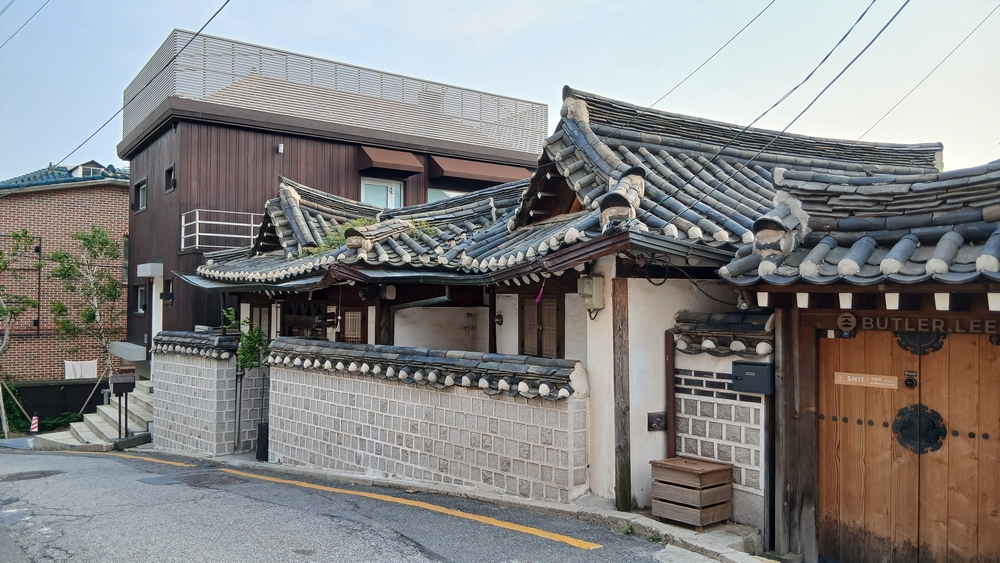
Shopping
South Korea offers famous shopping opportunities. Certain products represent the country globally. People worldwide actively order these items.
South Korean cosmetics define one popular niche. Travelers buy toners, essences, serums, and creams. Sheet masks, cushion foundations, and sunscreen attract shoppers. Organic cosmetics and other beauty products also sell well.
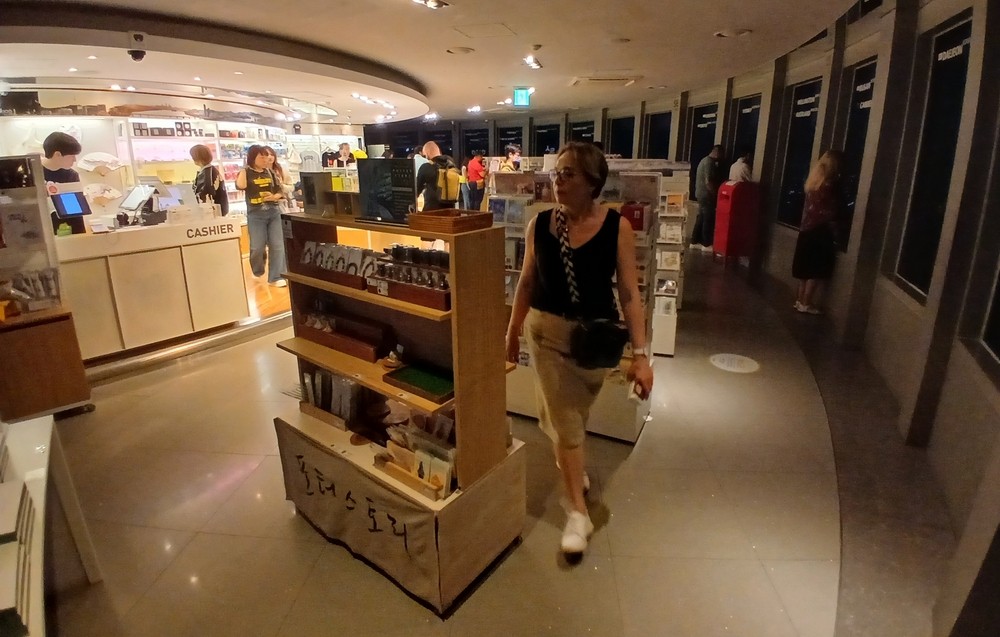
Tourists frequently purchase clothing from Korean brands. They buy electronics and gadgets. Food and snacks make popular souvenirs. Ginseng products, traditional hanbok clothing, and tea accessories sell well. Visitors also bring home tea, chopsticks, and local alcohol.
Visit Lotte Mart, Homeplus, and E-mart hypermarkets for shopping. Seoul’s Yongsan Electronics Market serves as the country’s largest electronics hub. The capital’s Namdaemun and Dongdaemun markets offer great deals.
Seoul shoppers should explore Myeongdong. This street serves as the country’s main shopping destination. Hongdae attracts youth with vintage shops and street markets. The famous Gangnam district offers luxury shopping. COEX Mall provides a huge underground experience. Lotte World Mall stands as the capital’s largest shopping center.
Busan visitors should stop by Shinsegae Centum City. Guinness World Records once named it the world’s largest department store. Tehran and Dubai now hold that title. Yet Shinsegae remains Korea’s largest mall.
Travelers can claim a 10% VAT refund when departing South Korea. Meet these requirements: spend at least 30,000 won at a “Tax Free” store, complete the form, and present your passport with unused merchandise at the airport.
Some stores refund VAT on the spot. They apply a 10% discount immediately. Other cases require extra steps. Find the Customs Declaration counter before check-in. Show your purchases, receipts, and passport. Get your form stamped at the Tax Free counter. Pass through passport control. Then collect your refund at the Tax Refund counter.
Merchants accept cashless payments almost everywhere. You can pay with cash or the WowPass card. Reload the card with cash at terminals.
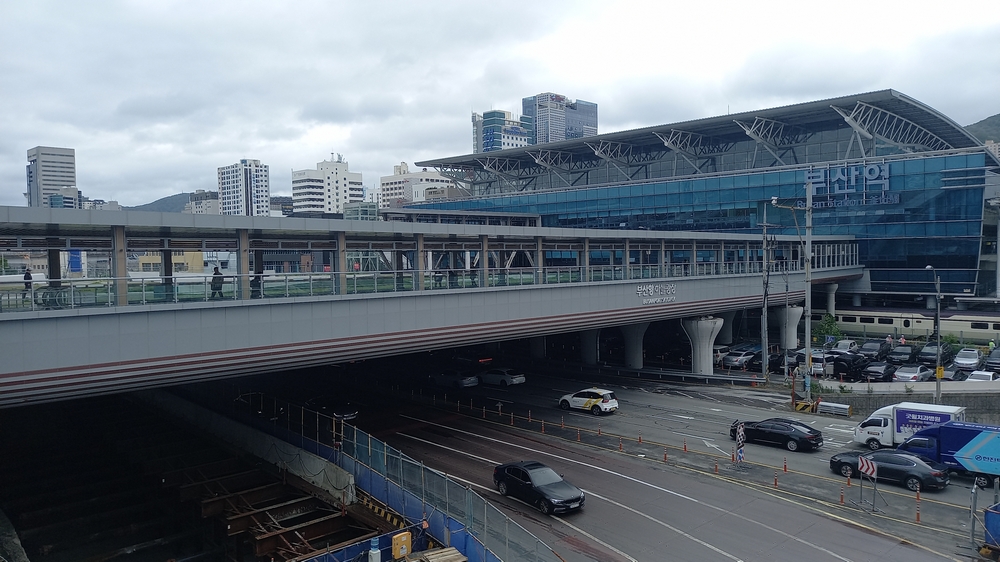
Public Transportation
South Korea developed excellent transportation systems. These systems serve both cities and intercity travel well.
The Seoul Metro operates more than 300 stations across 20+ lines. This network connects every place tourists need to visit. One line runs directly to the airport. Travelers in a hurry can take the express train. This train makes minimal stops. Free Wi-Fi works at all stations. You won’t get lost.
Purchase a T-money or WowPass card for payment. Reload these cards with cash at station terminals.
Some places remain inaccessible by subway. The TV Tower serves as one example. A single bus route reaches this destination. You pay for buses using the same method as the subway. Some bus routes accept cash. Not all routes do. Buses to the TV Tower only accept cards.
Remember this important rule: tap your card when entering and exiting. Subway fares depend on travel distance. On buses, this tapping enables free transfers.
Busan operates a smaller subway system. Six lines serve the city. The bus network stays well-developed. Some buses even run at night. Payment methods match Seoul’s system.
You can hail taxis on the street. Order taxis through the Kakao T or Uber apps.
If you are going outside of the big cities, car rental in Korea sounds like a good idea. Good roads and information, you can check the prices below.
Frequently Asked Questions
When is the best time to visit South Korea for a vacation?
The ideal time to visit is spring (April–May) during the cherry blossom season or fall (September–October) with its pleasant weather and vibrant maple colors. In summer, the sweltering heat and monsoon rains can be a nuisance, while in winter it can get very cold due to the biting winds.
How much will a vacation in South Korea cost?
A budget trip for a week will cost approximately 1,000–1,500 euros per person, while a comfortable vacation with good hotels starts at 2,500 euros and up. The final cost depends heavily on the season, your travel style, and how much you spend on shopping.
What can you bring back from South Korea?
The main souvenirs are Korean cosmetics (sheet masks, cushion foundations, serums), ginseng products, and unique local snacks. In addition, tourists often bring back high-quality electronics, fashionable clothing from Korean brands, and traditional handicrafts.
What is the time difference between Europe and South Korea?
The time difference between Central Europe and South Korea is 8 hours, with South Korea being ahead. Accordingly, when it’s 12:00 p.m. in Paris, it’s already 8:00 p.m. in Seoul.
Where in South Korea do many expats live?
Most foreigners, students, and businesspeople live in Seoul, especially in the Gangnam, Mapo, and Seongdo districts and near major universities. There are also small communities in the capital’s suburbs (Ansan, Seongnam) and in the port city of Busan, where you can meet many sailors.