Despite its relatively small size, South Korea offers a wide variety of interesting places to visit — from urban landmarks to natural wonders. Seventeen of the country’s attractions are listed as UNESCO World Heritage Sites, including the Seokguram Grotto, the Changdeokgung Palace Complex, folk villages, Buddhist mountain monasteries, tidal flats, petroglyphs and much more. We have compiled a list of South Korea’s top attractions for 2026 that are well worth a visit.
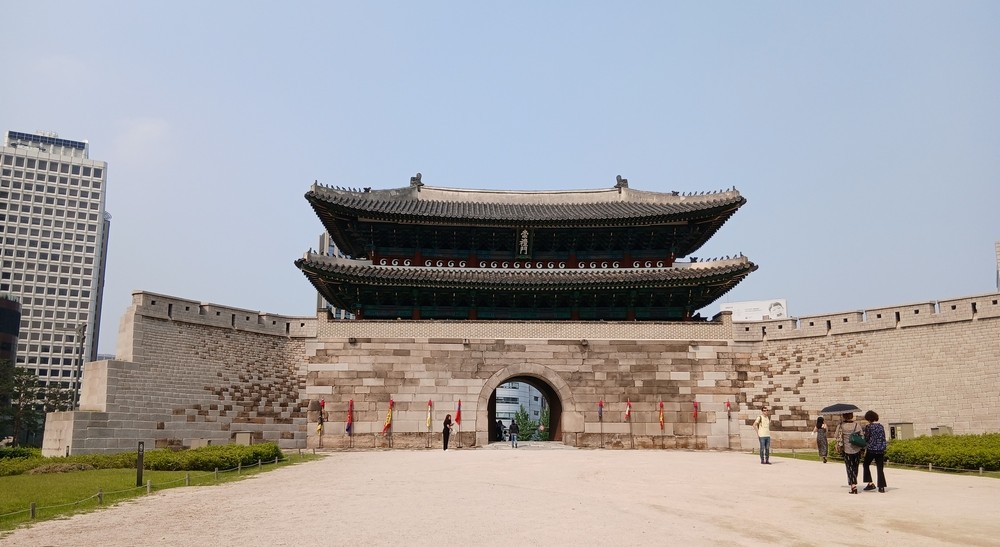
Useful information about South Korea’s attractions
| Gyeongbokgung Palace The largest of the five royal palaces of the Joseon Dynasty, built in the 14th century | Seoul Early spring or golden autumn For history buffs and those who enjoy atmospheric photo shoots in traditional costumes |
| Seoraksan National Park One of the country’s most beautiful national parks, featuring granite cliffs and ancient temples | Gangwon Province Mid-October For fans of active trekking and lovers of unspoilt nature |
| Bukchon Hanok Village A historic district where hundreds of traditional Korean wooden houses have been preserved | Seoul Early on a weekday morning, April–May, September–October For photographers and enthusiasts of Korean history |
| Hwaseong Fortress A monumental late 18th-century fortress surrounded by a long wall, a UNESCO World Heritage Site | Suwon April–May, September–October, in the late afternoon to catch the sunset For history buffs and hiking enthusiasts |
| Seoul Tower The capital’s main observation deck, offering panoramic views of the entire metropolis | Seoul Towards sunset, to experience both the city by day and by night For couples and lovers of high-altitude panoramas |
| Bulguksa Temple An 8th-century masterpiece of Buddhist art, situated in the former capital of the ancient Silla Kingdom | Gyeongju April–May, September–October, early in the morning, before the tour groups arrive For those who appreciate Buddhism, history and tranquillity |
| Haedong Yeonggungsa Temple A unique Buddhist complex situated on steep cliffs overlooking the Sea of Japan | Busan April–May, September–October, at dawn For lovers of history and scenic views |
| Jeju Island A volcanic island with beaches, waterfalls and the extinct Hallasan volcano, the whole of which is a UNESCO World Heritage Site | Jeju Island In spring, during the rapeseed and cherry blossom season Families with children, lovers of active outdoor recreation |
| Myeongdong shopping district A shopping district renowned for its street food, shops, restaurants and vibrant neon lights | Seoul In the evening, when the neon signs light up For shopaholics, beauty enthusiasts and street food lovers |
| Gamcheon Cultural Village A maze-like hillside neighbourhood with brightly coloured houses and art installations | Busan April–May, September–October, early in the morning, before the tour groups arrive Young people, street art enthusiasts and photography lovers |
List of South Korea’s top attractions
Gyeongbokgung Palace
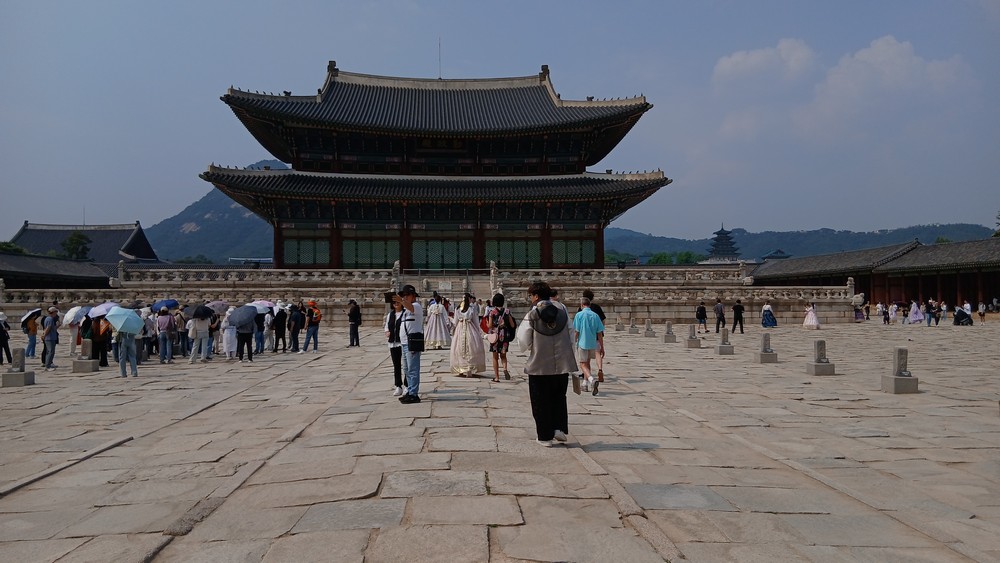
- Location: central Seoul, in the historic Jongno-gu district.
- How to get there: take the metro to Gyeongbokgung or Gwanghwamun station.
- Highlights: the largest of the five royal palaces of the Joseon Dynasty, where you can see the throne hall, an elegant pavilion and the daily changing of the guard ceremony.
- Opening hours: daily, except Tuesdays, from 9.00 am to 6.00 pm (last admission one hour before closing).
- Admission: an adult ticket costs 3,000 won, but entry is completely free if you are wearing a traditional Korean hanbok.
Gyeongbokgung Palace is the main and most majestic of the five royal palaces of the Joseon Dynasty, founded in 1395 and serving as the official residence of Korean monarchs for centuries. It is notable for its scale and strict symmetry. Inside, you’ll find the throne hall and a pavilion that seems to float above a lotus pond. There is also a Folk Museum on site, which is handy for tourists wishing to learn more about the country’s history.
The palace is closed to visitors on Tuesdays; the famous changing of the guard ceremony at the main gate takes place daily at 10.00 and 14.00 (it’s best to arrive in good time). Top tip: if you wear a traditional Korean hanbok, entry to the palace grounds is free.
Seoraksan National Park
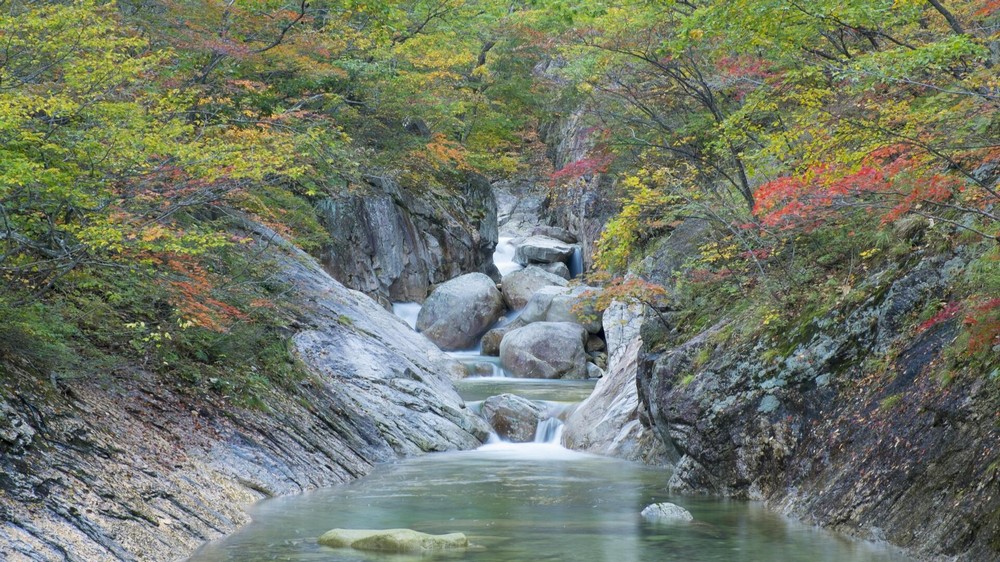
- Location: in the mountainous region of Gangwon Province, near the town of Sokcho.
- How to get there: from Seoul, take an intercity express coach to Sokcho Coach Station, then change to a local bus to the park’s main entrance.
- Highlights: spectacular granite cliffs, such as ‘Dinosaur Ridge’ and Ulsanbawi Peak, the ancient Sinheungsa Temple, and the cable car to Gwangyimsong Mountain Fortress.
- Opening hours: daily from dawn to dusk (from 07:00 to 19:00 depending on the season); the cable car operates from 9 am.
- Admission: free, but the cable car ride is charged separately and costs around 9,000 won for a return ticket.
Soraksan National Park, situated in Gangwon Province near the city of Sokcho, is considered one of South Korea’s most picturesque mountain reserves, and is certainly the best known. It amazes visitors with its granite peaks, bizarre rock formations (such as the ‘Dinosaur Ridge’) and deep gorges with crystal-clear streams. In addition, the park is home to the Buddhist temple of Sinheungsa, featuring a giant bronze statue of the Buddha, whilst the mountain fortress of Gwanggyemseong can be reached by cable car, offering breathtaking views of the mountains and the sea.
The journey from Seoul to Sokcho takes about 2.5 hours by intercity express coach, followed by a local transport transfer to the park entrance, so it’s best to allow at least two days for your visit. The climb to some of the highlights involves negotiating hundreds of steep stone steps, so comfortable walking boots are essential. The best times to visit are in spring, when the azaleas are in bloom, and in autumn, when the mountain slopes are ablaze with the colours of the maple leaves. In summer and winter, it is worth checking the status of the trails on the official website before setting off, as some may be temporarily closed due to a high risk of forest fires or heavy winter snowfall.
Bukchon Hanok Village
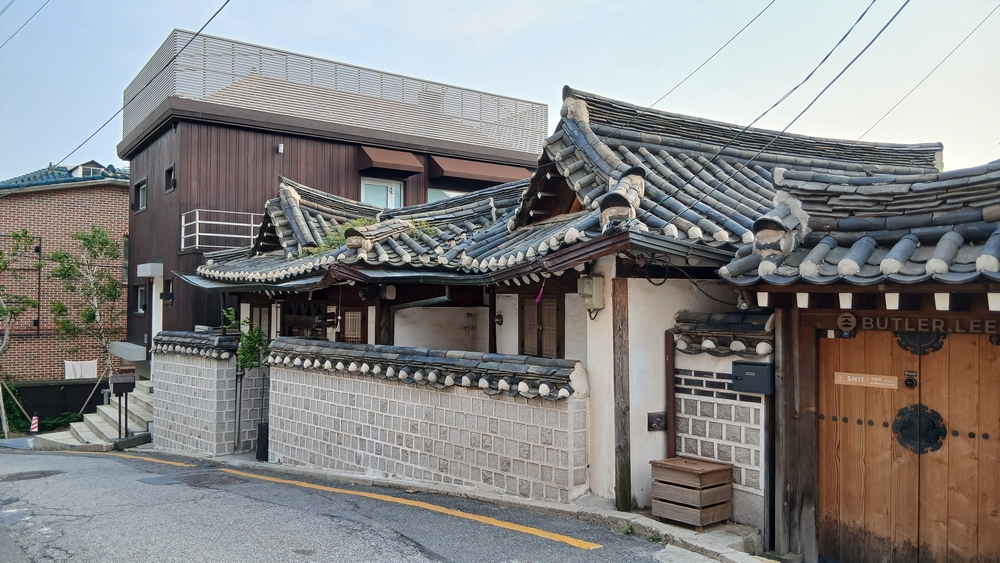
- Location: right in the centre of Seoul, between the two royal palaces – Gyeongbokgung and Changdeokgung.
- How to get there: take Metro Line 3 to Anguk or Jongno 3-ga station.
- Highlights: the capital’s largest complex of over 900 traditional Korean hanok houses with tiled roofs and winding, photogenic streets.
- Opening hours: the site is open for visitors throughout the day, but is closed from 18:00 to 10:00.
- Admission: free.
An ethnic village that you don’t need to leave the city to visit. Bukchon Hanok is a historic district in the very heart of Seoul, situated between two royal palaces: Gyeongbokgung and Changdeokgung. It is the largest surviving ensemble of traditional Korean hanok houses, comprising over 900 buildings, some of which are several centuries old. During the Joseon Dynasty, this area was home to the highest-ranking aristocracy, which is why the houses here are characterised by their exquisite architecture; to see the homes of ordinary peasants, it is better to visit other ethnic villages outside Seoul.
An important point to note is that, apart from a few buildings, this is a residential area rather than an open-air museum; consequently, making noise, shouting or using camera flashes is strictly prohibited here, so as not to disturb the peace of the local residents. After 5.00 pm, patrols politely ask tourists to leave. The best time for a stroll is early in the morning (before 9.00 am) or on weekdays, when the narrow alleyways have not yet been overrun by tour groups.
Hwaseong Fortress
- Location: in the city of Suwon, the administrative centre of Gyeonggi Province, approximately 30 kilometres south of central Seoul.
- How to get there: from Seoul, it takes about an hour on Metro Line 1 or the Sudogwon commuter train to Suwon Station, then change to a city bus to the main gates of Chananmun or Paldalmun.
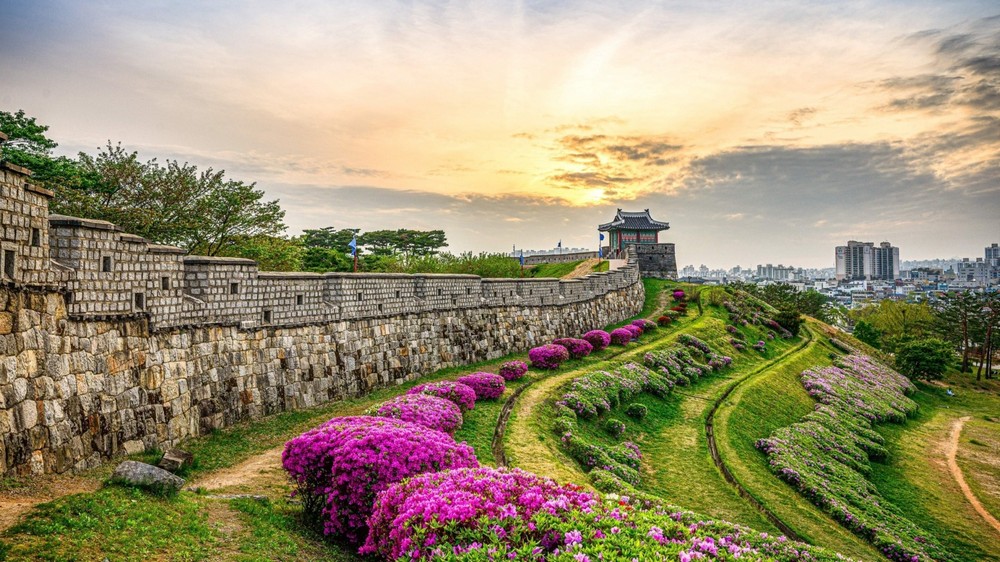
- Highlights: a beautifully preserved 18th-century fortress with a 6-kilometre-long wall, gates and watchtowers, listed as a UNESCO World Heritage Site as a masterpiece of Eastern fortification.
- Opening hours: open 24 hours a day; however, the main gates and pavilions are open to visitors from 9.00 to 18.00 (until 17.00 in winter), and some areas may be closed on Tuesdays.
- Admission: free, but a nominal fee of around 1,500–2,000 won is charged for access to certain sections and for visiting the pavilions.
Hwaseong Fortress in Suwon is an outstanding masterpiece of late 18th-century military and defensive architecture and a UNESCO World Heritage Site. Its construction marked the first time in Korea that traditional Eastern fortification methods were combined with the advanced Western engineering solutions of the time.
The massive fortress wall, stretching for almost 6 kilometres, is fully preserved and open to pedestrians. Dozens of original military structures can be seen up close, meaning a walk along the entire length of the wall takes at least two hours. There are numerous ascents and descents along the way, so comfortable footwear is essential.
Namsan Seoul Tower
- Location: in the centre of Seoul, at the summit of Namsan Mountain.
- How to get there: by bus 01A or 01B from Chungmuro Underground station, or by cable car.
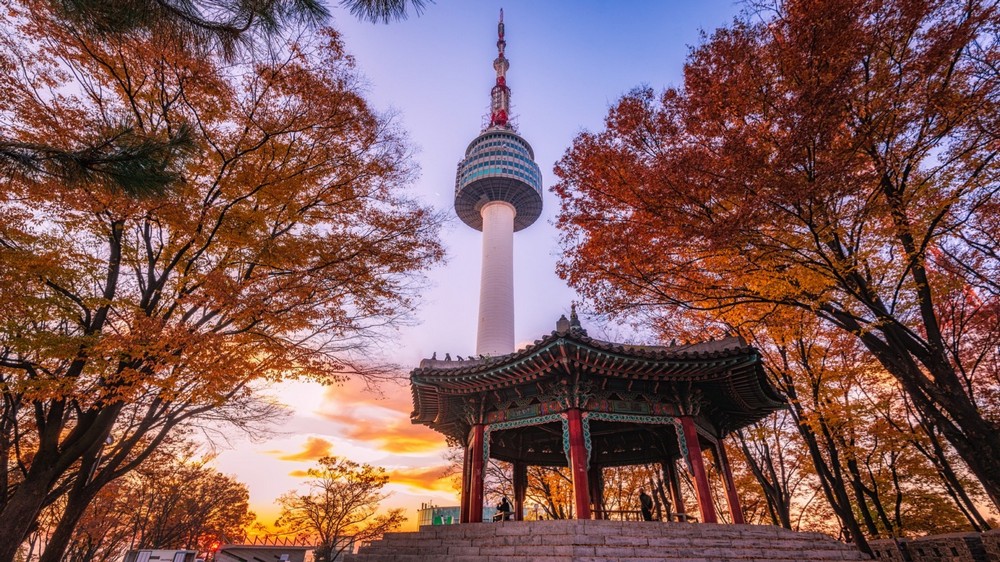
- Highlights: a panoramic viewing platform with a 360-degree view, a fence with ‘love locks’, interactive digital exhibitions and a revolving restaurant.
- Opening hours: daily from 10:00 to 23:00.
- Admission: around 16,000 won for adults (the cable car is charged separately).
The TV Tower, rising atop Namsan Mountain, is the capital’s main architectural landmark and the first Korean telecommunications tower to be built on high ground. The viewing platform offers a breathtaking 360-degree panoramic view of the entire metropolis.
It is best to visit this spot before sunset and stay until darkness falls. Inside, there are two restaurants; one of them, serving French cuisine, completes a full 360-degree rotation in 120 minutes. The tower itself can be reached by cable car, bus, taxi or on foot along the picturesque paths of Namsan Park.
Bulguksa Temple
- Location: 15 kilometres from Gyeongju, on the picturesque slopes of Mount Toham.
- How to get there: City buses No. 10 and No. 11 run regularly from Gyeongju to the temple, departing from Gyeongju Bus Terminal and Gyeongju Railway Station respectively; the journey takes around 40 minutes.
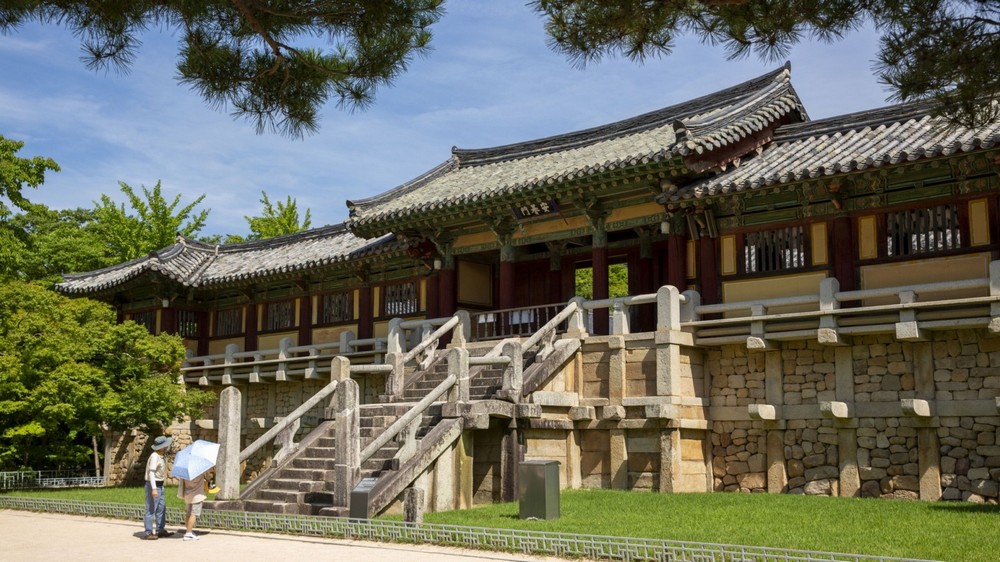
- Points of interest: the temple houses masterpieces from the 8th-century Silla period, and the Tabotap Pagoda is depicted on the 10-won banknote; the complex is a UNESCO World Heritage Site.
- Opening hours: daily from 7.00 to 18.00 (until 17.00 in winter); the inner pavilions close slightly earlier.
- Admission: 6,000 won.
A masterpiece of Buddhist architecture from the Silla period, built in the 8th century and listed as a UNESCO World Heritage Site. It houses some of the most important relics from the ‘golden age’ of Korean art, and one of the pagodas is depicted on the 10-won banknote.
The temple has many steep stone staircases, so comfortable footwear is essential. As this is an active monastery, visitors are expected to behave appropriately for such a place; photography inside some of the pavilions is restricted.
Haedong Yonggungsa Temple
- Location: on the coast near Busan, a few kilometres from the city.
- How to get there: take the metro to Haeundae station, then a local bus or a taxi.
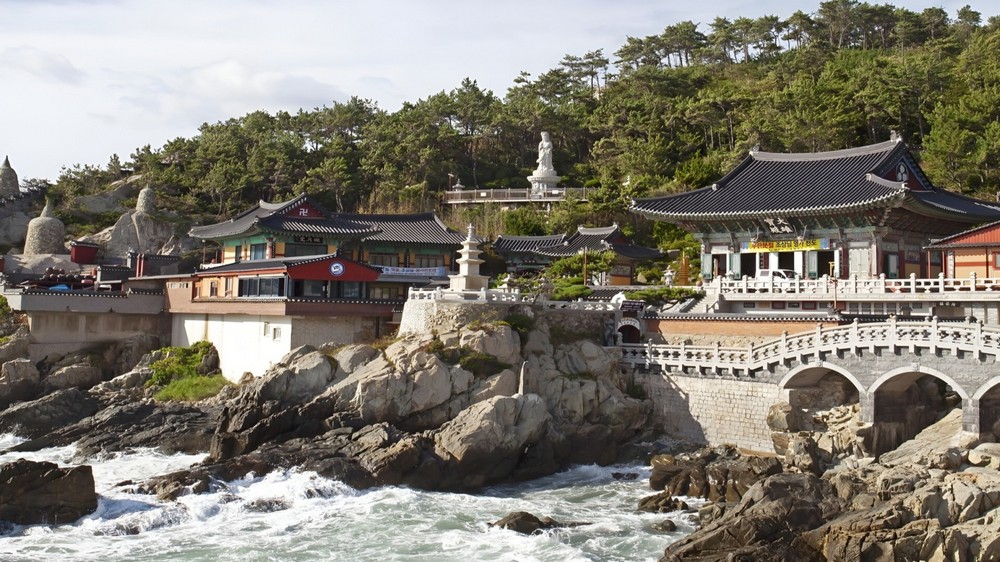
- Highlights: unlike mountain monasteries, this 14th-century temple is built right on the edge of a cliff overlooking the ocean and is famous for its stunning sunrise views.
- Opening hours: daily from early morning (around 6.00 am) until sunset.
- Admission: free.
This temple sits on the coast near Busan. It ranks among South Korea’s most unique Buddhist sanctuaries. Most Korean temples hide in deep mountain gorges. Yeongungsa clings to coastal cliffs along the East Sea instead. Monks founded the complex in 1376 during the Goryeo Dynasty.
Steep, often slippery stone steps lead down to the temple and back up to the exit. The location does not suit parents with strollers. Visit during Buddha’s Birthday celebrations if you can. Thousands of glowing paper lanterns decorate the temple during this festival.
Jeju Island
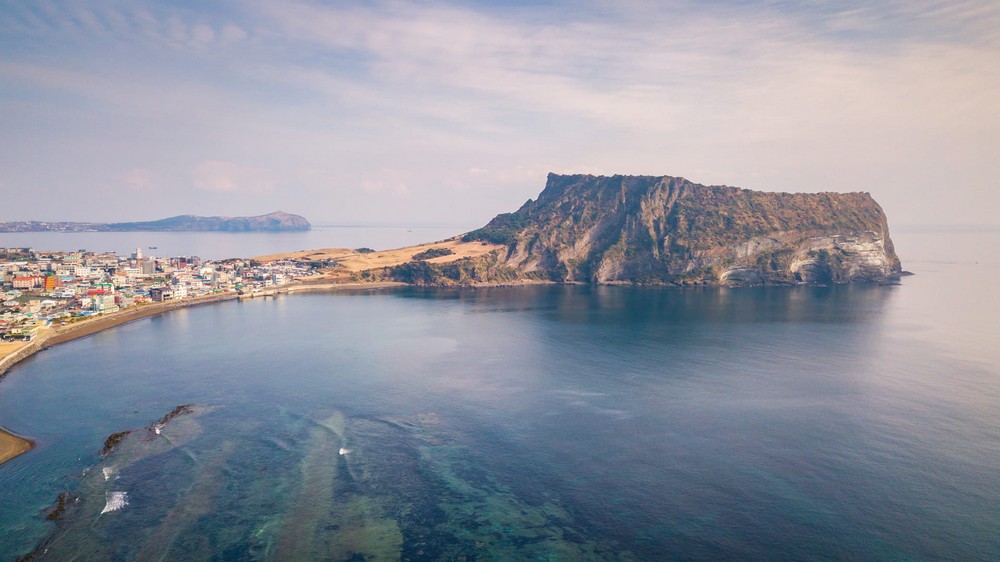
- Location: in the Korea Strait, approximately 130 kilometres south of the mainland’s southern coast.
- How to get there: by plane (about an hour) or by ferry from the ports of Mokpo or Busan (2 to 6 hours).
- Highlights: the island is a UNESCO World Heritage Site and is renowned for its volcanic landscapes, Mount Halla, the Seongsan Ilchulbong crater and lava caves, as well as the unique culture of the haenyeo female divers and the famous Hallabon mandarins.
- Opening hours: open all year round, although individual attractions, national parks and museums have their own opening hours, usually from 9.00 to 18.00.
- Admission: Visiting the island itself is free, but admission to national parks, certain natural sites and museums is charged separately (from 2,000 to 5,000 won).
Jeju Island holds the title of South Korea’s largest island and premier natural resort. People often call it “Korean Hawaii.” Volcanic activity formed this island. UNESCO lists the entire island as a World Heritage Site. Jeju also hosts Hallasan, the country’s highest point. This extinct volcano dominates the landscape.
Visitors explore lava caves and black volcanic beaches. White sand shores sit nearby. Emerald tea plantations and endemic mandarins add to the island’s charm. The island preserves a unique culture: female divers harvest seafood without scuba gear.
Myeong-dong shopping street
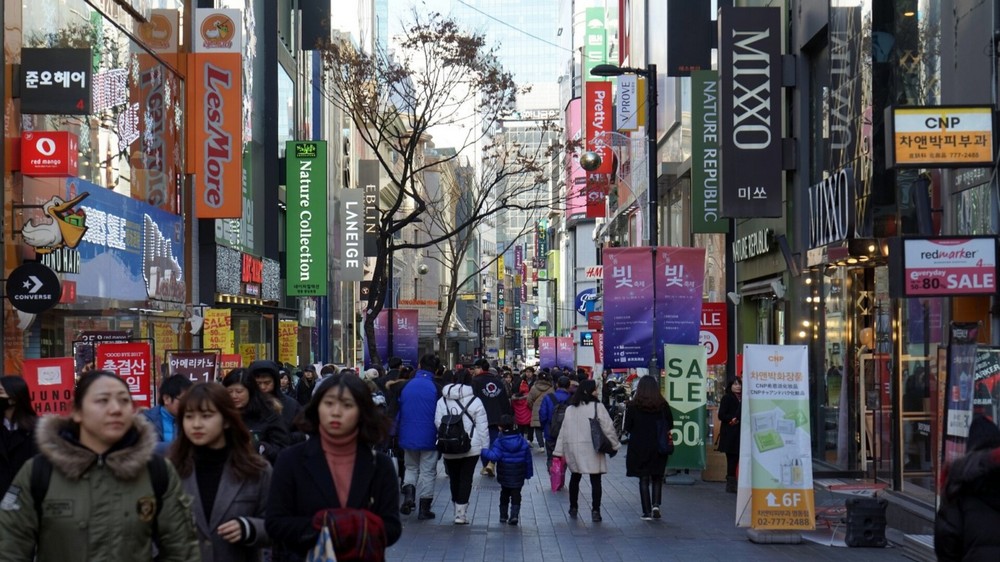
- Location: right in the heart of Seoul, in the Jung-gu district, within walking distance of the business district and the city’s main attractions.
- How to get there: take the metro to Myeongdong station (Line 4) or Euljiro 1-ga station (Line 2).
- What to see: this is the main mecca for Korean shopping and K-beauty, home to hundreds of flagship cosmetics stores and fashion boutiques; in the evenings, the streets transform into a huge food market.
- Opening hours: the streets are open round the clock, though most shops are open from 10:00 to 22:30, whilst the famous food stalls set up later in the evening and stay open until midnight.
- Admission: free; tourists can take advantage of the Tax Free scheme when shopping in many stores.
Myeongdong forms the heart of Seoul’s commercial and tourist life. The district sits in the capital’s center. It has long served as the main symbol of Korean shopping. The area boasts an incredible concentration of fashion. Flagship stores of all leading Korean cosmetics brands line the streets. Multi-story department stores and hundreds of clothing boutiques fill the neighborhood.
Many shops offer instant VAT refunds. Spend 30,000 won or more, and the cashier issues your refund at the till. Alternatively, you receive a receipt to claim your refund at the airport.
Weekends and evenings bring crowds. Narrow pavements make peaceful walking nearly impossible. Shop on weekdays during the day for a better experience. Myeongdong also offers legendary street food. As evening falls, main streets transform into an endless food fair.
Gamcheon Culture Village
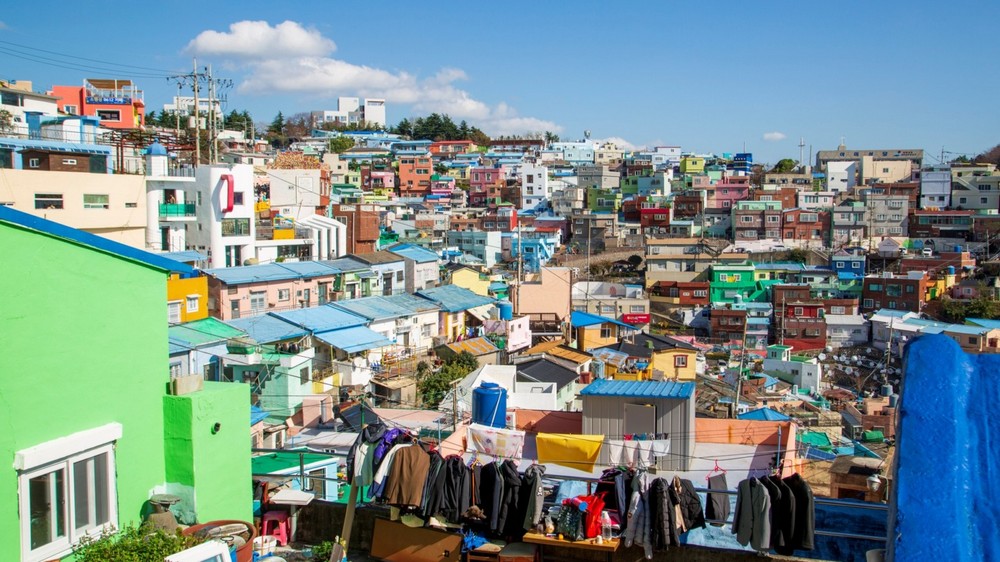
- Location: in Busan, in the Seo-gu district, on steep hills with panoramic views of the harbour and the sea.
- How to get there: take the metro to Toseong station, then change to bus No. 1-1 or 2-2, which goes straight up to the upper entrance to the village.
- What to see: a former refugee settlement from the Korean War, transformed into a vibrant labyrinth of colourful houses, murals, sculptures and cosy cafés with terraces.
- Opening hours: the area is open 24 hours a day, but tourists are asked to keep noise to a minimum between 17:00 and 09:00 the following day.
- Admission: free; a nominal fee of around 2,000 won is charged for access to some special viewing platforms.
Gamcheon ranks among Busan’s most colorful neighborhoods. People call it “Busan’s Machu Picchu” or “Korea’s Santorini” because of its terrain. The village dates to the 1950s. It was one of the city’s poorest neighborhoods until authorities launched a large-scale regeneration project. They invited artists from across the country to revitalize the area.
Today, Gamcheon operates as an open-air street art museum. Whimsical murals and amusing sculptures decorate the streets. Cafés with panoramic terraces offer breathtaking views of Busan Harbour and the sea. Gamcheon remains a living residential neighborhood too.
Haeinsa Temple
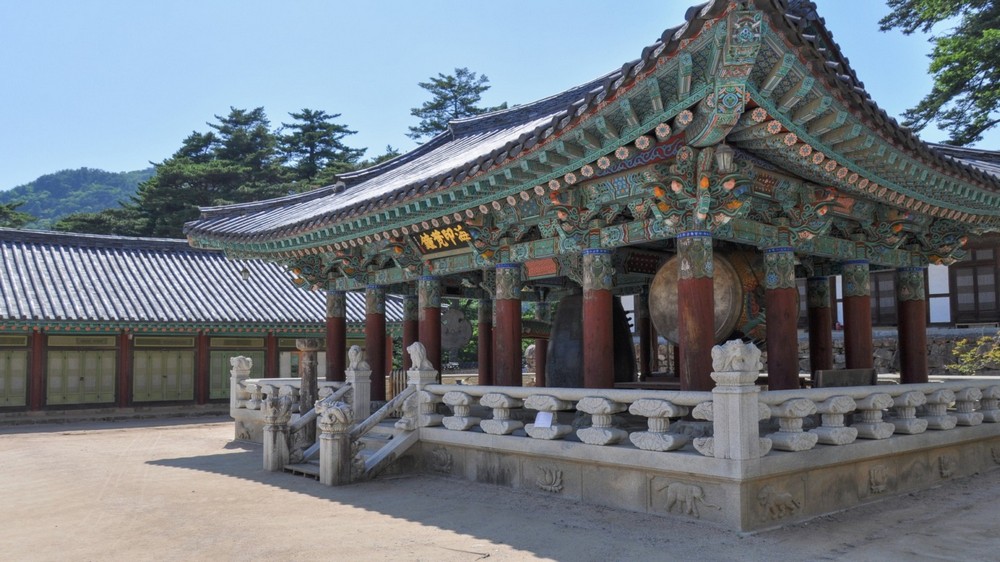
- Location: in the mountains of Kayasan National Park in Gyeongsangnam-do Province, 60 kilometres from Daegu.
- How to get there: by intercity bus from Daegu West Bus Terminal to Haeinsa Bus Terminal.
- Highlights: the site houses an important Buddhist relic – the Tripitaka Koreana, consisting of more than 80,000 wooden tablets engraved with sacred texts from the 13th century, a UNESCO World Heritage Site.
- Opening hours: daily from 8.30 am to 6.00 pm in summer and until 5.00 pm in winter.
- Admission: free.
Haeinsa ranks among Korea’s three greatest temples. Monks founded it in 802. The temple sits in Gayasan National Park. The monastery’s greatest treasure is the Tripitaka Koreana. This complete collection of sacred Buddhist texts features 81,350 wooden printing blocks. Craftsmen carved these blocks in the 13th century. UNESCO lists this unique repository as a World Heritage Site. Experts consider it the most complete and accurate collection of Buddhist scriptures in the world.
Haeinsa serves as the main temple of the Jogye Order. When visiting, explore the ancient 15th-century wooden structures. Learn how Korean craftsmen preserved the wooden blocks in perfect condition for nearly 800 years. The Changgyeong Pajeon storage halls use a unique ventilation system. Staff store the wooden blocks in special repositories. They sometimes restrict access to protect these fragile artifacts.
The monastery sits in a remote mountainous area in Gyeongsangnam-do Province. A few hours’ drive separates it from Daegu. Plan a full-day trip for the best experience. The temple offers overnight stays, meditation sessions, and monastic cuisine. Bring comfortable walking shoes to explore the mountainous terrain.
Jongmyo Temple
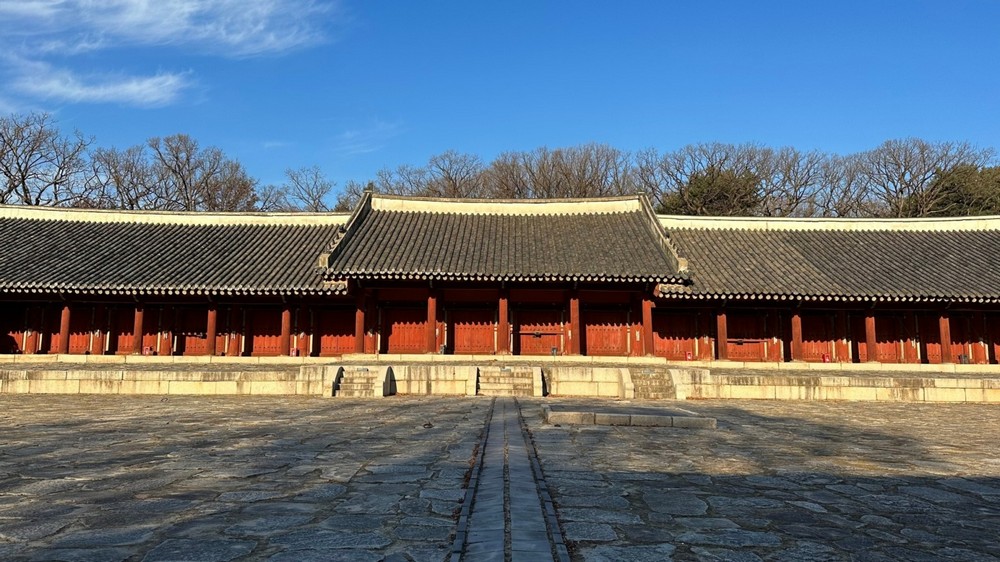
- Location: in the centre of Seoul, in the historic district of Jongno-gu.
- How to get there: take the metro to Jongno 3-ga station (Line 1 or 3), from where it is a 5–10-minute walk to the main gate of the shrine.
- Highlights: the main Confucian royal shrine of the Joseon era and a UNESCO World Heritage Site, also known for being Korea’s longest traditional wooden building and for its ancient ancestral rites.
- Opening hours: daily, except Tuesdays, from 9.00 to 18.00; on most days, entry is only permitted as part of a guided tour.
- Admission: 1,000 won; free for visitors wearing traditional hanbok.
This Confucian shrine honors the spirits of Joseon Dynasty monarchs. It ranks among Korea’s most significant UNESCO World Heritage Sites. Unlike lavish royal palaces, Jongmyo strikes visitors with austere, minimalist architecture and a subdued color scheme. The complex’s main architectural feature is Cheonjeongjeon. This building holds the record as Korea’s longest traditional wooden structure.
You can only visit the site on a compulsory guided group tour. Tours follow a strict timetable. Guides speak English, Chinese, and Japanese. Saturdays offer an exception. The site opens for independent visits. You can explore the complex alone without a guide. The sanctuary closes on Tuesdays.
Changdeokgung Palace
- Location: in the historic centre of Seoul, in the Jongno-gu district, not far from the main royal palace, Gyeongbokgung.
- How to get there: take the metro on Line 3 to Anguk station.
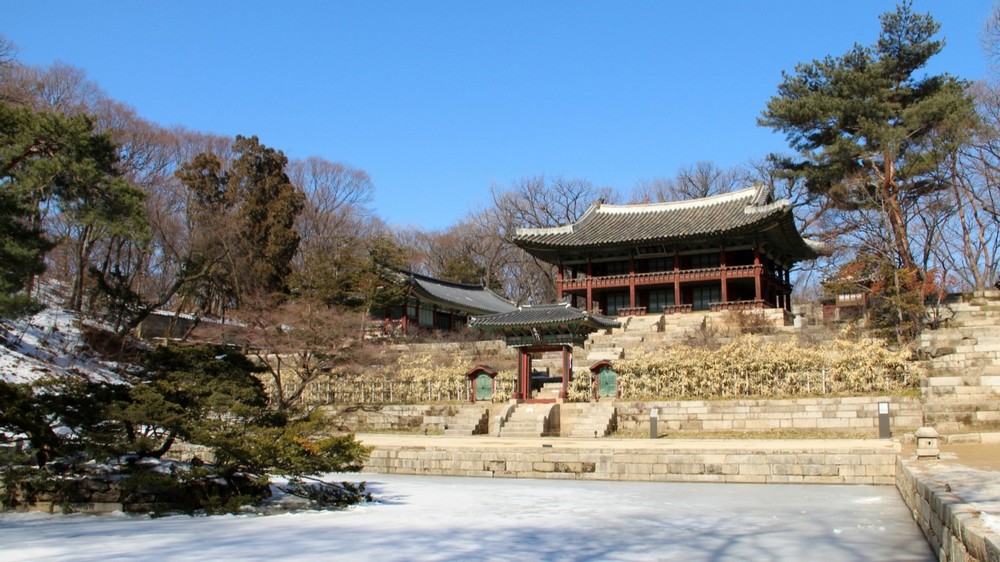
- Highlights: a palace complex set within a large park, one of Seoul’s five major palaces and a UNESCO World Heritage Site, famous for its Secret Garden of Harmony with its centuries-old trees and elegant pavilions.
- Opening hours: daily, except Mondays, from 9.00 to 18.00 (until 17.30 in winter); some buildings can only be visited as part of an organised tour.
- Admission: 3,000 won; the Garden of Secret Harmony is subject to a separate charge of 5,000 won; free for visitors wearing traditional hanbok.
This UNESCO World Heritage Site served as the main residence for Joseon Dynasty rulers. They lived here for over 250 years. Other palaces follow a strict symmetrical axis. Changdeokgung blends seamlessly into the mountainous landscape. Its buildings wind around ancient trees and natural streams.
Visit this complex for the famous Garden of Secret Harmony (Huwon). Traditional Korean landscape designers created this masterpiece. Lotus flowers and ancient trees fill the garden. Seek a striking contrast? Visit the majestic Injeongjeon ceremonial hall. Also explore the well-preserved private quarters in the traditional Nakseonje complex. Monarchs once lived there.
You can tour the main palace buildings only through organized guided group tours. Scheduled tours run in English, Chinese, and Japanese. Enter the Secret Garden of Harmony with a separate ticket. Book this ticket online in advance. This matters especially during maple leaf season. The palace complex closes to visitors on Mondays.
Want to save money? Hire a traditional Korean hanbok. Entry to the main palace grounds becomes free. You still need a ticket for the Secret Garden of Harmony.
Hahoe Folk Village
- Location: 20 kilometres from the town of Andong in Gyeongsangbuk-do Province, in the central part of the country.
- How to get there: take a train or bus to Andong, then take local bus No. 246 or 11 to the car park, from where a free shuttle runs to the village entrance.
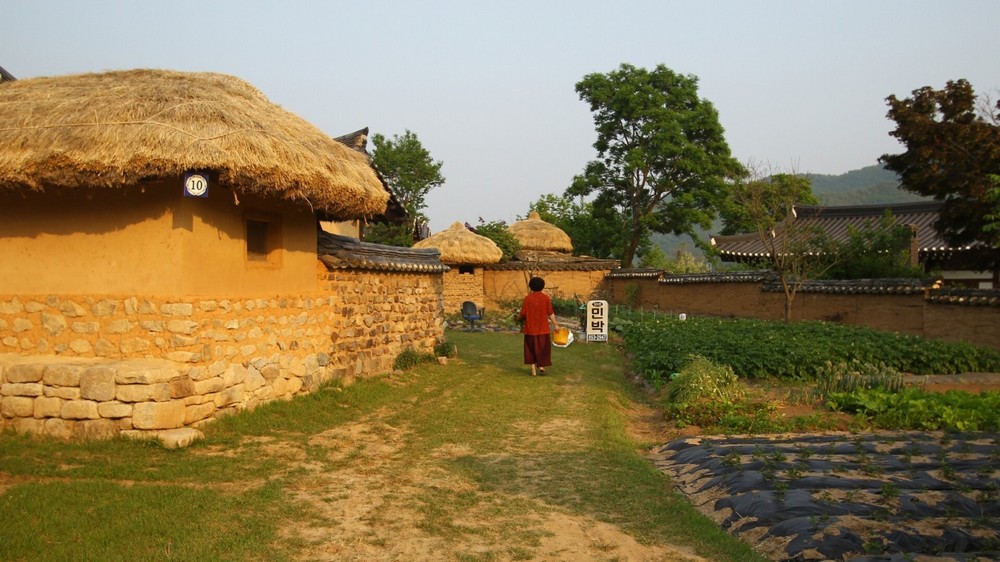
- Highlights: a 14th–15th-century Joseon-era clan village and a UNESCO World Heritage Site, where hundreds of traditional hanok houses, ancient Confucian academies and Hahwe ritual masks have been preserved; the masks can be seen during traditional dance performances.
- Opening hours: daily from 9.00 to 17.30 during the summer (April–September) and from 9.00 to 16.30 during the winter (October–March).
- Admission: 5,000 won; the price includes entry to the mask museum and admission to traditional cultural performances.
Hahoe ranks among Korea’s most famous traditional villages. UNESCO lists it as a World Heritage Site. This unique Joseon-era clan village dates to the 14th–15th centuries. Descendants of the Ryu clan still live here. They represent about 70% of residents.
The village preserves traditional hanok houses from noble families. Ancient Confucian academies stand nearby. A 600-year-old elm tree offers a spot to make wishes. World-famous Hahoe masks hold national treasure status.
Queen Elizabeth II visited the village. President George Bush also came here. Want to join their ranks? Travel by train or bus to Andong in Gyeongsangbuk-do province. Transfer to a local bus. Then take a shuttle to the entrance. Plan your visit for Wednesday through Sunday. You’ll catch the famous traditional Korean masked dance performance. The ticket price includes this show.
Yangdong Folk Village
- Location: 20 kilometres from the centre of Gyeongju in Gyeongsangbuk-do Province.
- How to get there: from Gyeongju, you can take a suburban bus or a taxi, which takes about 30 minutes.
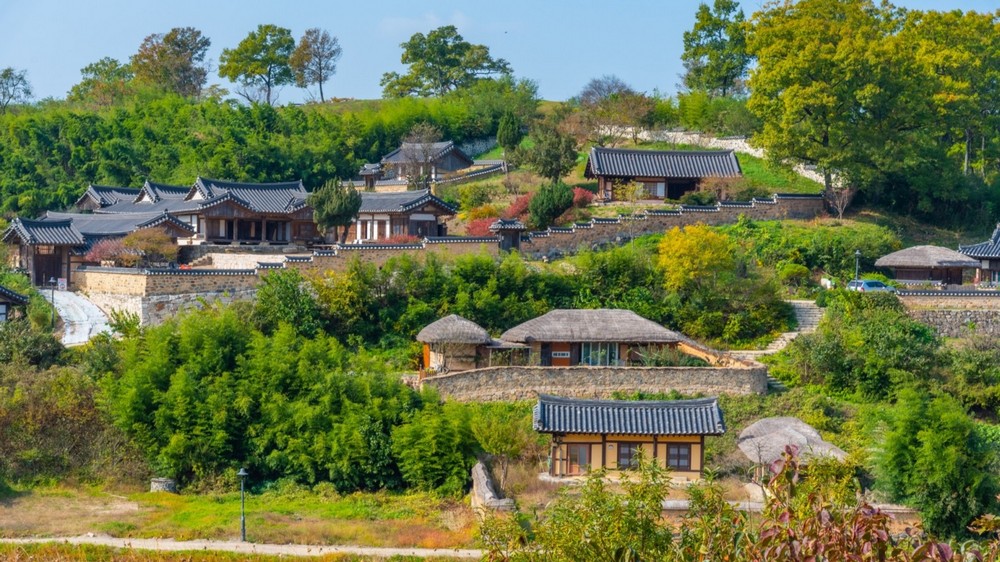
- Highlights: a UNESCO World Heritage Site featuring more than 160 traditional Joseon-era hanok houses, where the estates of two powerful aristocratic clans—the Song and Lee—have coexisted for 600 years, perfectly integrated into the mountainous landscape.
- Opening hours: daily from 9.00 to 18.00 in summer and until 17.00 in winter.
- Admission: 4,000 won.
Yangdong Village sits in the foothills near Gyeongju. This outstanding UNESCO World Heritage Site represents Joseon-era clan settlement heritage. Hahoe Village shares this distinction.
The village boasts over 160 traditional hanok houses. Stately, multi-room estates of nobility stand here. More modest dwellings of common people sit nearby. Two powerful aristocratic clans shaped this village: the Song and the Lee. Their histories intertwined here for over 600 years.
Unlike plain settlements, this village integrates perfectly into the mountainous landscape. Wear comfortable shoes. You’ll navigate elevation changes along narrow stone paths.
Namhansanseong Fortress
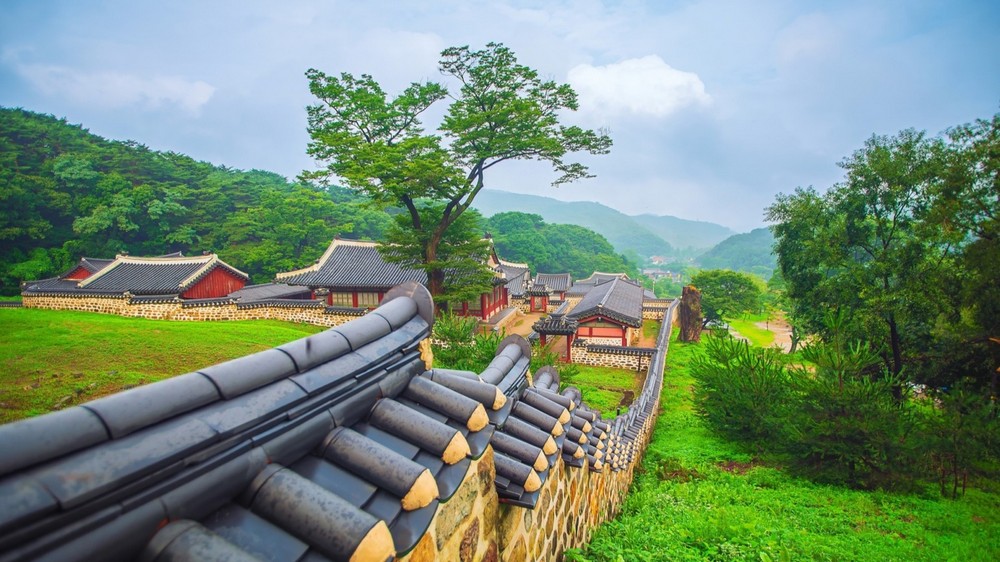
- Location: at the summit of Mount Namhan in Gyeonggi Province, approximately 20 kilometres south of central Seoul.
- How to get there: from Seoul, take Metro Line 8 to Sanseong or Songpa station, then change to a city bus that goes straight up to the main gate of the fortress.
- Highlights: a UNESCO World Heritage Site featuring a 12-kilometre-long fortress wall, which served as a refuge for monarchs during the Joseon Dynasty; an authentic traditional village is situated within the fortress.
- Opening hours: the mountain park and fortress walls are open 24 hours a day; the main gates and internal pavilions are open from 9.00 to 18.00 (until 17.00 in winter).
- Admission: walking along the fortress walls and visiting the traditional village inside are free; a nominal fee may be charged for entry to some specialised exhibition halls or temples.
This large-scale mountain fortification sits close to Seoul. UNESCO lists it as a World Heritage Site. The fortress stands about 500 meters above sea level.
During the Joseon Dynasty, Namhansanseong served as a refuge for monarchs during enemy invasions. King Injo took shelter here during the famous 45-day Manchu siege in 1636.
The fortress offers more than historical significance. It delights the eye. Fortress walls stretch for several kilometers. They wind picturesquely along mountain ridges. Watchtowers and majestic gates connect along the way. These structures offer breathtaking panoramic views.
Short on time for a traditional Korean village? The fortress walls contain just such a complex. Relax in authentic teahouses there. Sample local culinary specialties.
Remember: routes follow mountain trails with steep ascents and descents. Bring suitable gear. Feeling tired? Stay overnight in a traditional hanok within Namhansanseong.
Bangucheon Petroglyphs
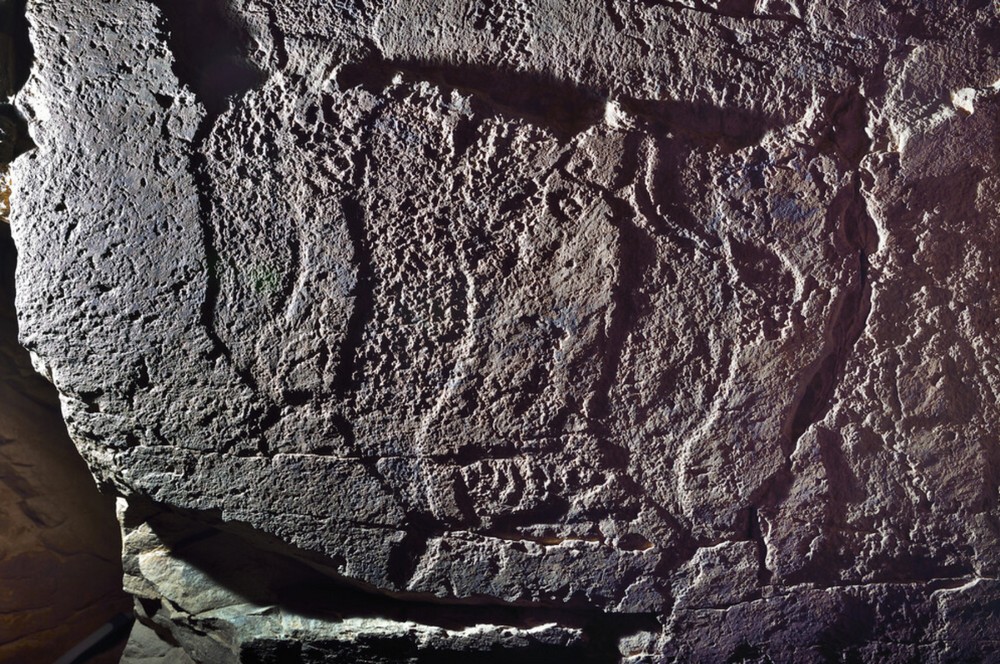
- Location: near the city of Ulsan on the country’s south-eastern coast, along the rocky banks of the Taegokcheon River.
- How to get there: from the centre of Ulsan, take bus No. 348 or a taxi to the dedicated car park, from where it is a 20-minute walk along the river to the rock carvings.
- Highlights: A 7,000-year-old monument to prehistoric art, one of the oldest on the Korean Peninsula, featuring hundreds of realistic carvings of whales, deer, tigers and hunting scenes on the rocks; it was inscribed on the UNESCO World Heritage List in 2025.
- Opening hours: the viewing platform with the petroglyphs is open 24 hours a day; the nearby museum is open daily, except Mondays, from 9.00 to 18.00.
- Admission: free.
The Panguchon Petroglyphs represent an outstanding monument to prehistoric art. They sit along the Taegokcheon River in Ulsan. UNESCO inscribed them on the World Heritage List in 2025. Neolithic artists carved approximately 300 figures into rock. These ancient carvings occupy a small area: 3 metres high and 10 metres wide. The petroglyphs impress visitors with their density, realism, and subject variety.
The site sits on Ulsan’s outskirts. City buses or taxis can reach it. The petroglyphs stay open 24 hours a day. Visits cost nothing. The nearby museum operates from 9:00 to 18:00. It closes on Mondays and public holidays. Visit during daytime in dry weather for the best view. Rain occasionally floods the rock carvings.
Korean Folk Village Yongin
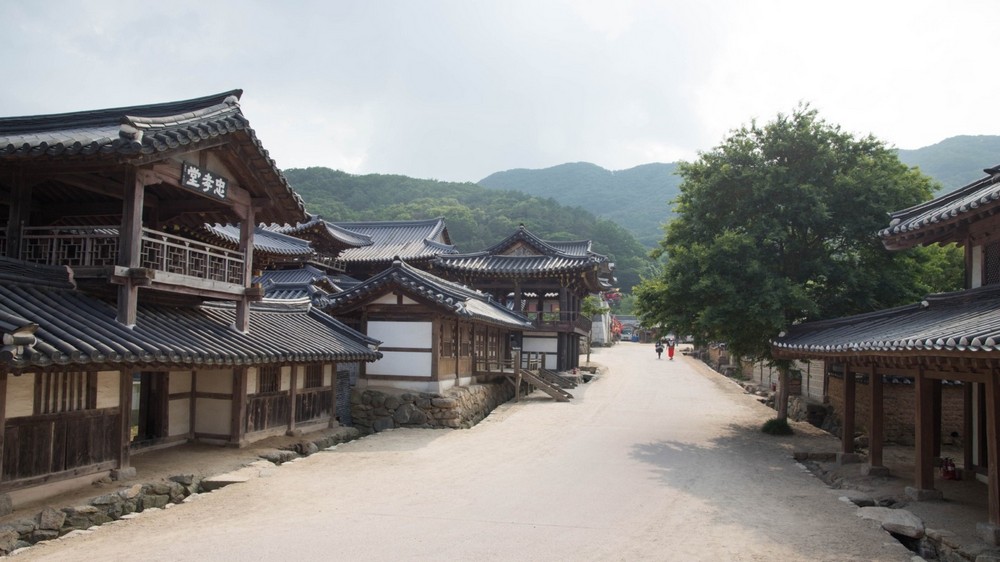
- Location: in the city of Yongin, Gyeonggi Province, about an hour’s drive south of central Seoul.
- How to get there: take the metro to Giheung Station, then change to the free tourist shuttle bus or a local bus that goes directly to the entrance. Alternatively, take bus 4104 from Namdaemun Market in Seoul.
- Highlights: a large-scale open-air museum recreating the traditional way of life and architecture of the Joseon era from all the country’s provinces; spectacular folk shows are held daily, craftspeople are at work, and many popular historical films have been shot here.
- Opening hours: open daily, all year round, usually from 9.30 am to 5.30 pm or 6.00 pm, depending on the season and daylight hours.
- Admission: from 20,000 won.
This living museum attracts tourists in Yeongin, Gyeonggi Province. It sits next to the famous Everland theme park. The village opened on October 3, 1974. Founders established it to preserve traditional Korean culture. Rapid Westernization was transforming the country at that time.
The village spans almost 100 hectares. It features over 260 traditional houses from the late Joseon period. Builders transported these structures from various Korean provinces. The buildings represent different social classes. Peasants and yangban nobility both find representation here.
Visitors enjoy traditional performances and agricultural displays. They watch tightrope walking and equestrian martial arts. Korean weddings in Joseon-era costumes entertain guests.
Beomeosa Temple
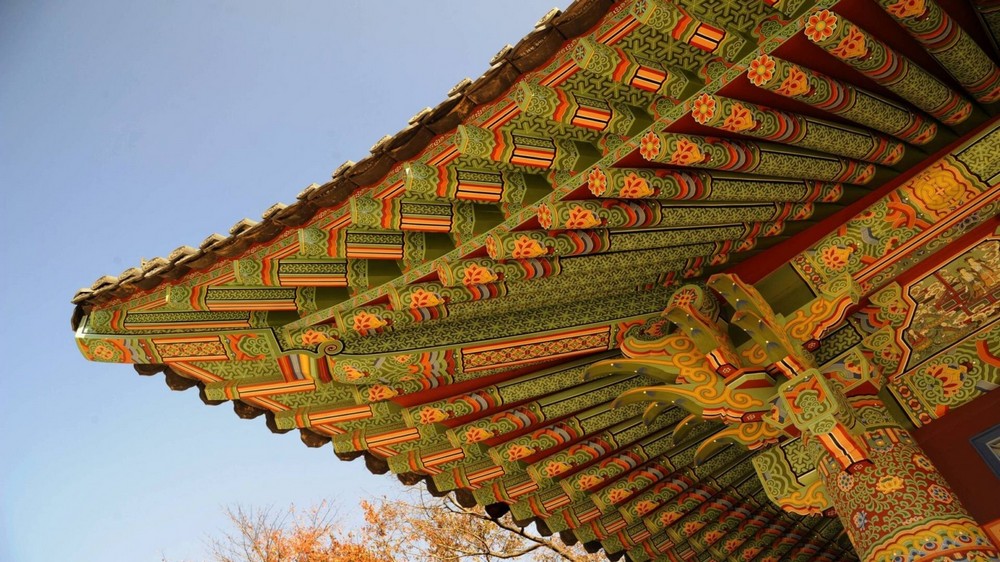
- Location: in the city of Busan.
- How to get there: take the metro to Beomeosa station on Line 1, then change to bus No. 90 or walk up.
- Highlights: founded in 678, this is one of the three main temples in the Yeonnam region, renowned for its magnificent ancient architecture, three-storey stone pagoda and autumn maple trees.
- Opening hours: daily from early morning (around 5:00) until sunset (around 18:00–19:00 depending on the season).
- Admission: free.
Beomeosa Temple sits at the foot of Mount Geumjeongsan in Busan. It ranks as the third-largest temple in the Yeonnam region. Thirteen centuries of history shaped this important Buddhist centre. The temple trained many monks throughout its existence.
The complex preserves unique historical relics. Ancient stone flagpoles and historic steps stand here. The main gate, Cheogemun, serves as the temple entrance. Its low arch prompts visitors to bow their heads. This gesture shows humility.
The majestic Taeunjeong Hall deserves special attention. Korea designated it a National Treasure. Wooden Buddha statues stand inside this hall. Rare ceiling murals decorate the interior. Traditional stone lanterns from the Silla period surround the temple. A three-storey stone pagoda completes the complex.
Korea Demilitarized Zone
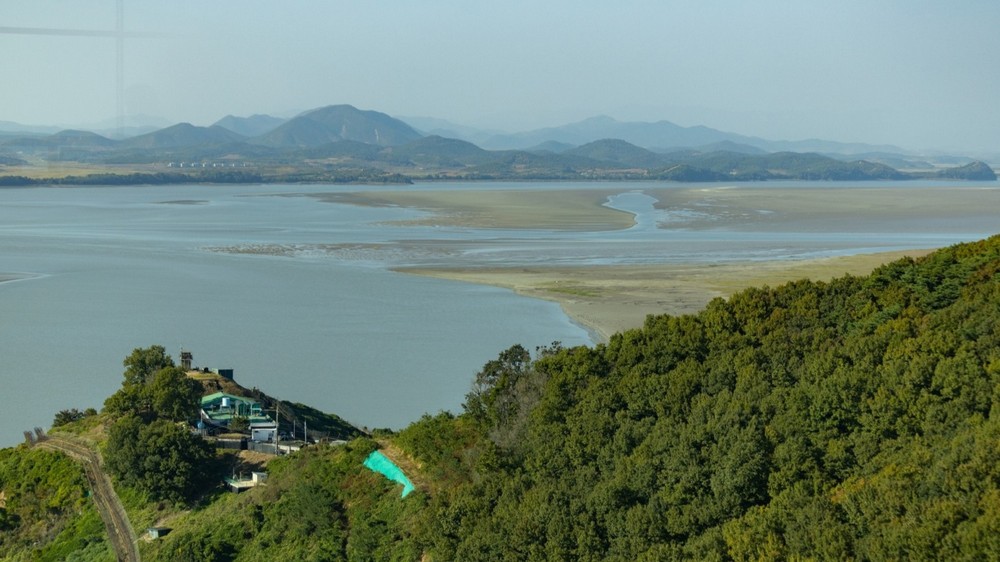
- Location: along the 38th parallel, which divides the Korean Peninsula, approximately 50 kilometres north of central Seoul.
- How to get there: exclusively as part of an organised tour on a special coach from Seoul; independent visits are prohibited.
- Highlights: here you can descend into North Korean tunnels, see the propaganda village of Kijong-dong and visit the Joint Security Area, where you are literally allowed to take a step onto North Korean territory.
- Opening hours: tours run daily, except on Mondays and Tuesdays, from early morning until 15:00–16:00, although the timetable may change due to military exercises.
- Admission: the cost depends on the tour chosen, averaging between 35,000 and 80,000 won.
The Demilitarised Zone offers a sight rarely found elsewhere. A narrow strip of land, 4 kilometres wide, forms this border. The Korean War created this division along the 38th parallel. North Korea and the Republic of Korea face each other here. This border ranks as the world’s most heavily fortified and militarised.
Visit the DMZ to immerse yourself in Cold War history. Descend into underground tunnels. North Korean military forces dug these for covert invasion. View propaganda villages through binoculars. Visit the Joint Security Area. You can technically step onto North Korean territory for a few seconds.
Reaching the border requires effort. Only organised tours grant access. Book these in advance through an accredited agency. Carry your original passport. Prohibited items include camouflage clothing, ripped jeans, shorts, sandals, and sleeveless tops.
Gyeongju National Park
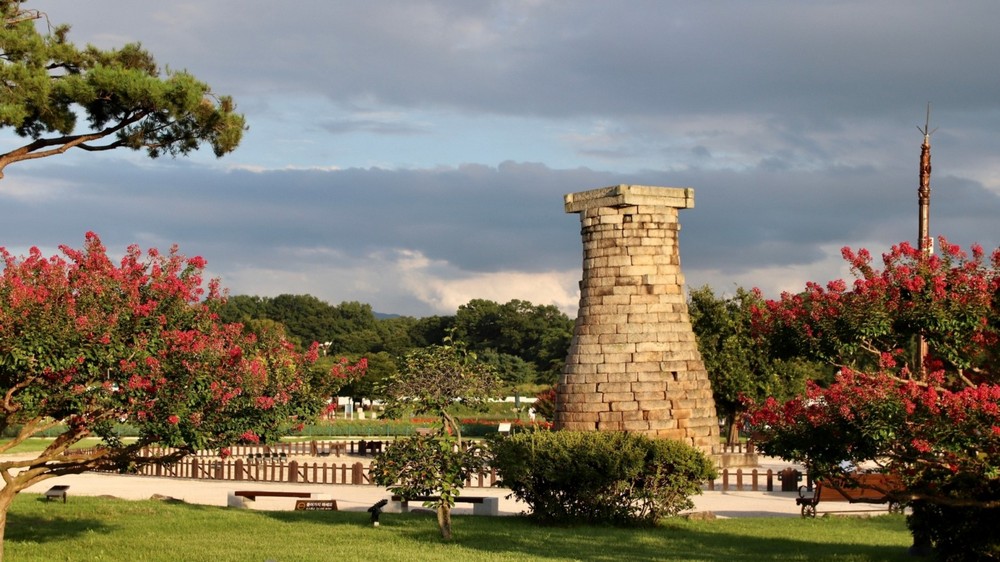
- Location: in the historic centre of Gyeongju, in Gyeongsangbuk-do province.
- How to get there: from Seoul, take the KTX high-speed train to Sin-Gyeongju station or a bus to Gyeongju.
- Highlights: an open-air museum of the Silla period, ancient royal tombs, the oldest observatory at Cheomseongdae, palace ruins, and thousands of stone Buddha statues on the sacred Mount Namsan.
- Opening hours: most areas are open daily from 9.00 to 18.00 (until 20.00 in summer); Wolji Palace Pond, with its evening illumination, is open until 22.00.
- Admission: walking around many areas is free; a small fee of around 2,000–3,000 won is charged for visiting specific sites, such as Tumuli Park or Wolji Pond.
Most parks preserve mountain landscapes. Gyeongju National Park takes a different approach. It protects archaeological and historical heritage. This area once served as the capital of the ancient Silla Kingdom.
The park features the Thumulli royal burial mounds. Asia’s oldest astronomical observatory stands at Cheomseongdae. The ruins of Tonggung Palace offer a picturesque illuminated pond.
The park does not form a single contiguous area. Six geographically separate zones make up the territory. Hire a bicycle or use a car to explore. Trails leading to stone relics on Namsan Mountain climb steeply. Wear comfortable walking boots. Carry water. Allow at least two full days to explore the entire area properly.
Dadohaehaesang National Park
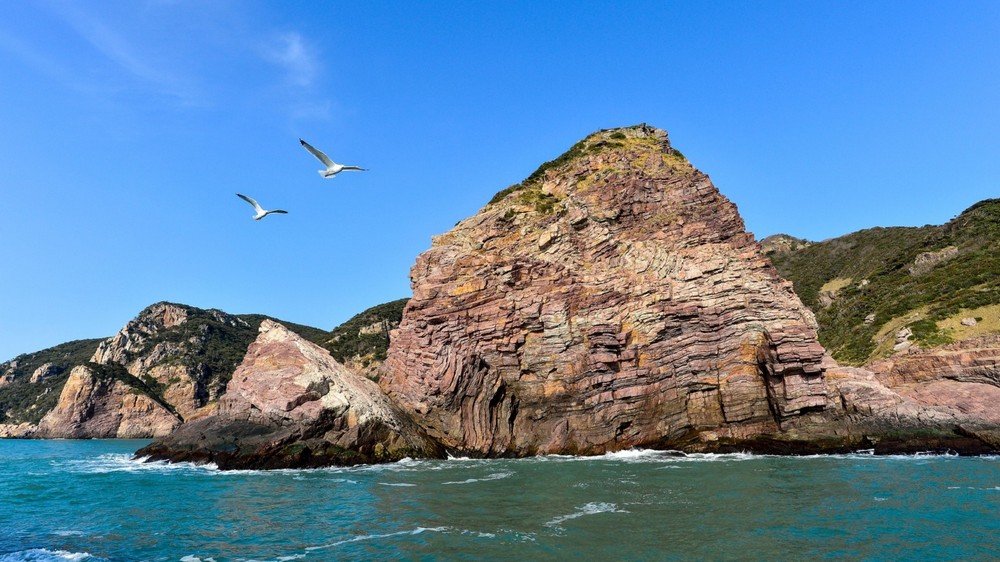
- Location: on the south-west coast of the country in Jeolla Nam-do Province.
- How to get there: from Seoul, take the KTX high-speed train to Gwangju or Mokpo, then use buses and ferries to reach the relevant islands within the park.
- Highlights: South Korea’s largest marine national park, famous for its bizarrely shaped cliffs, evergreen subtropical forests and crystal-clear sea.
- Opening hours: open 24 hours a day; ferry timetables between the islands are subject to change.
- Admission: free, except for ferries and some local attractions.
Tadohehasan Marine Park holds the title of South Korea’s largest national park. The government established it in 1981. It covers over 2,300 square kilometres on the country’s south-western coast. This maritime archipelago comprises around 1,700 islands of various sizes. Hondo, Hyeoksando, Komundo, and the Wando area islands rank among the best known. Tourists love the marine park for its natural landscapes. Bizarrely shaped cliffs rise from the water. Evergreen forests cover the islands. Crystal-clear sea surrounds them.
The park sits in remote Jeolla-Namdo province. Busan offers the easiest access point. Islands spread out along the coast. Exploring them requires careful logistical planning. Ferries connect the islands. Their timetables change frequently. Weather conditions heavily influence ferry schedules. Book ferries and accommodation in advance during high season. April–May and September–October represent peak periods.
Nami Island
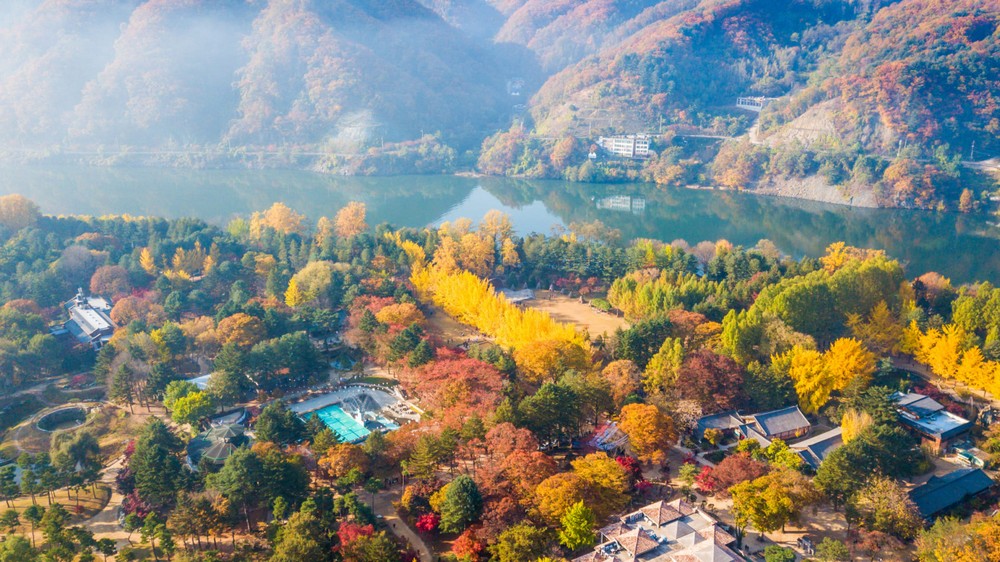
- Location: in Gyeonggi Province, near the town of Gaphyeong, an hour and a half from central Seoul.
- How to get there: from Seoul, take the ITX train to Gaphyeong Station, then a taxi or bus to the pier, from where a regular ferry or cable car takes you to the island.
- What to see: a picturesque crescent-shaped island, made famous by Korean cinema and renowned for its fairy-tale-like avenues of metasequoia trees, as well as the ‘Republic of Nami’ concept and the complete absence of cars.
- Opening hours: daily from 7.30 am to 9.00 pm (until 10.00 pm in summer); ferries run every 10–20 minutes.
- Admission: 16,000 won; the price includes admission and a return ferry ticket.
Nami Island forms a picturesque, crescent-shaped landmass in Gangwon Province. The Korean drama “Winter Sonata” brought it fame. The island operates under a unique “state within a state” concept. The Independent Republic of Nami maintains its own constitution, flag, currency, and passport.
Incredible natural landscapes make Nami Island worth visiting. Famous metasequoia avenues line the paths. Ordinary cars cannot enter the island. Tourists walk or cycle instead. The island stays compact. You can circumnavigate it on foot in a couple of hours.
Reach Nami Island by ferry from Kaphyeon Pier. Trains or intercity buses from Seoul reach the pier. Your entrance ticket includes the return ferry journey. Try an unusual option: fly over the river on a cable car. It departs directly from Kaphyeong railway station.
Gwangalli Beach
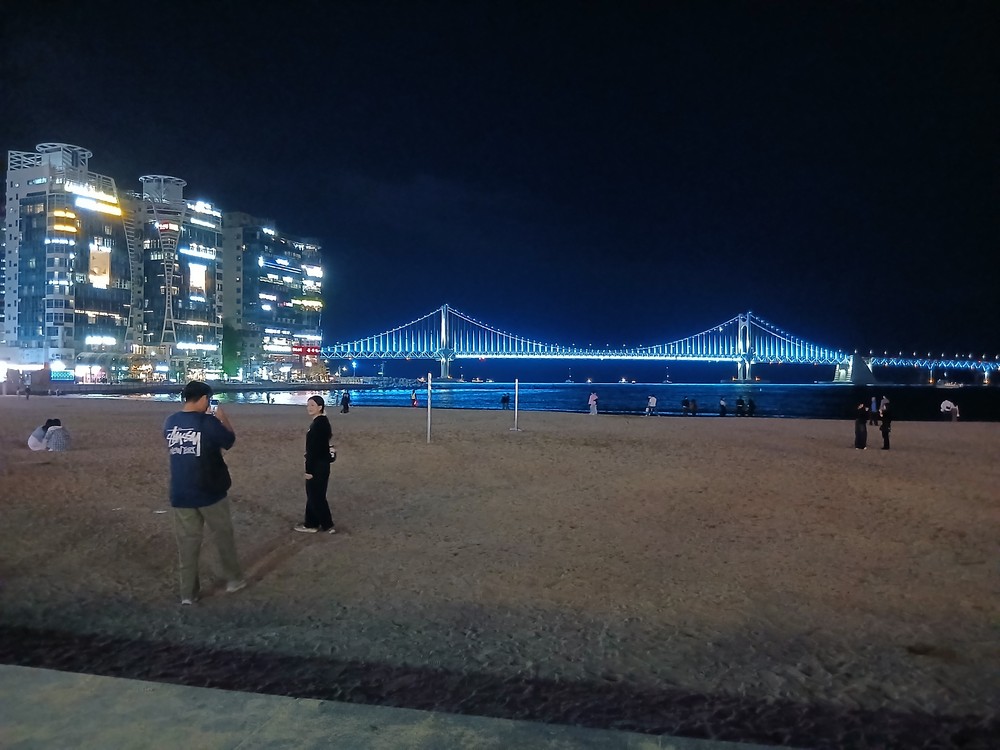
- Location: in Busan, in the Suyeong-gu district.
- How to get there: take Metro Line 2 to Gwangan Station, from where it is a 5-minute walk to the promenade.
- Highlights: the beach is famous for its picturesque bay overlooking the iconic two-tier Gwangan Bridge, which is beautifully illuminated in the evening, regular light drone shows over the water, and an abundance of stylish cafés with panoramic terraces.
- Opening hours: 24 hours a day.
- Admission: free.
Gwangalli Beach ranks among South Korea’s most unusual beaches. The majestic two-tiered Gwanandae Bridge (Diamond Bridge) serves as its main attraction. This bridge spans the bay directly opposite the shoreline.
Kwanalli boasts a bohemian atmosphere. Abundant cafés and restaurants line the beach. They offer stunning views of the illuminated bridge at night.
The beach stays noisy and crowded almost always. Travelers recommend visiting on weekdays near sunset for a relaxed experience. Weekend evenings sometimes feature spectacular drone shows. Hundreds of glowing drones perform over the water. Don’t miss this display if you can.
The beach sits within Busan city limits. The metro provides easy access. Lifeguards duty and showers operate during the official swimming season. This season runs from early July to late August.
Everland Theme Park
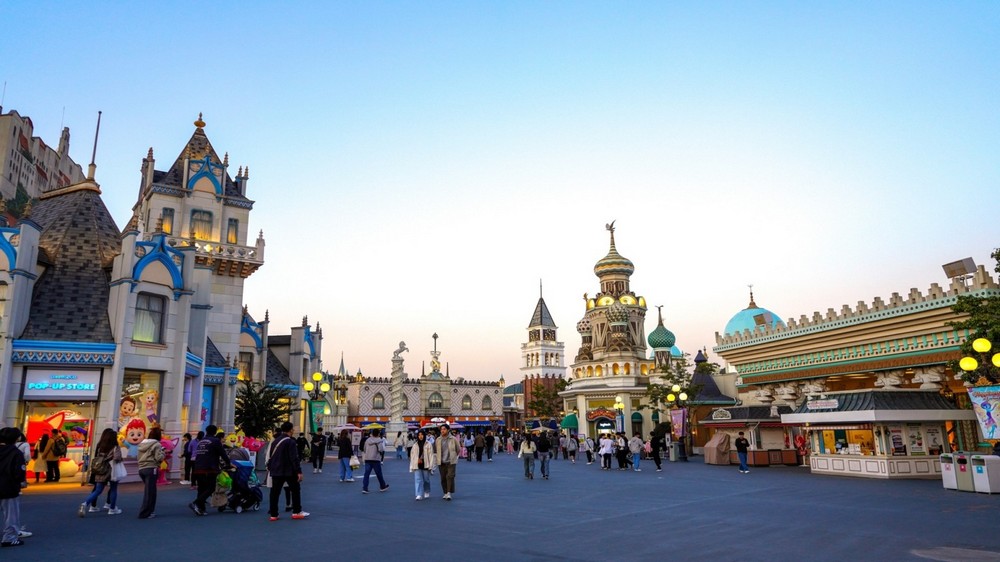
- Location: in the city of Yeongin, Gyeonggi Province, approximately 40 kilometres from Seoul.
- How to get there: from Seoul, you can take direct shuttle buses from major transport hubs or take the metro to Giheung Station, then change to the EverLine monorail.
- Highlights: the country’s largest theme park, famous for its legendary wooden rollercoaster, the T-Express, the huge Safari World zoo and large-scale seasonal festivals.
- Opening hours: daily, including weekends, from 10:00 to 22:00.
- Admission: 60,000 won.
Everland holds the title of South Korea’s largest and most popular theme park. People rightly call it the Korean equivalent of Disneyland. The park impresses visitors with its scale, theme variety, and unique attractions.
The T-Express serves as the park’s crowning glory. This wooden roller coaster ranks among the world’s best and most extreme. Global rankings consistently feature it in top positions.
Safari World calls Everland home. This zoo ranks among Asia’s largest. Ride a safari train to see white tigers and bears. The park also hosts spectacular seasonal festivals regularly.
Everland sits outside Seoul in Yongin city. The journey takes over an hour. It includes a ride on the driverless EverLine monorail. This monorail runs directly to the park gates.
Buy tickets online in advance. This strategy helps you avoid ticket office queues. The park attracts immense crowds on weekends and public holidays. Arrive in the morning for the best experience. Weekdays work better than weekends. Book e-queues for top attractions immediately after entry.
What else to see in South Korea
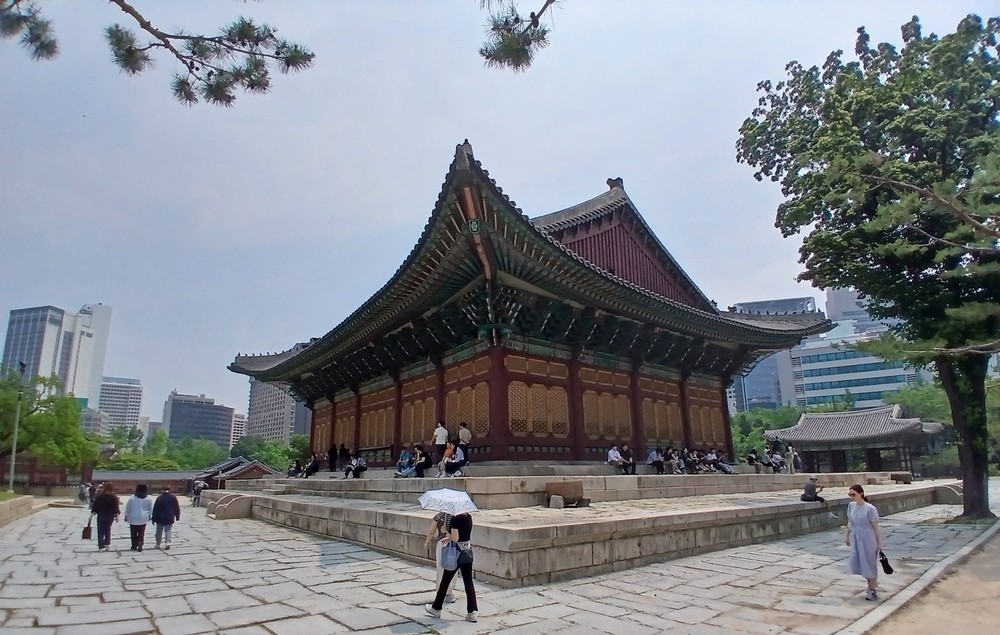
- Gongsansong Fortress: one of the main fortresses of the ancient Korean kingdom of Baekje, a UNESCO World Heritage Site.
- The Neungsan-ri Tumuli: an important monument to the funerary culture of the Baekje period and a UNESCO World Heritage Site.
- The Naseong City Wall: an ancient wall from the Baekje period in Puyo County and a UNESCO World Heritage Site.
- Puso-sanson Fortress and the Gwangbuk-ri Archaeological Site from the Baekje period, a UNESCO World Heritage Site.
- The Dolmens of Gochhan: the most diverse group of dolmens in South Korea, a UNESCO World Heritage Site.
- The Hwasun Dolmens: the best-preserved dolmens in South Korea, a UNESCO World Heritage Site.
- The Ganghwa Dolmens: believed to be the oldest dolmens in South Korea and the closest to Seoul, a UNESCO World Heritage Site.
- The Tombs of the Joseon Kings: 40 tombs of the kings and emperors of the Korean Joseon Dynasty, spread across 18 regions of South Korea; they were inscribed on the UNESCO World Heritage List in 2009.
- Tongdosa Temple: situated in the city of Yangsan; it is famous for the fact that, instead of a statue of the Buddha, his relics are venerated here.
- Pusoksa Temple: situated in Yeongju, built in 676. It is known as one of the oldest wooden temples in the country.
- Pongjeonsa Temple: Korea’s oldest wooden temple, situated in Andong.
- Popchusa Temple: a famous temple in Poyang County, notable for its giant statue of the Buddha.
- Magosa Temple: situated in Gongju, surrounded by forests and a river, with picturesque views all around.
- Sonamsa Temple: situated in Suncheon, renowned for its tranquil scenery and stone arch bridge.
- Taeheungsa Temple: situated at the foot of a mountain in Haenam County; its buildings are arranged in a more open layout, unlike those of other temples.
- Cheonggyecheon Stream: a restored waterway in the centre of Seoul, which, following the demolition of an old motorway, has been transformed into a green oasis with pedestrian promenades.
- The Korean War Memorial: a large-scale museum and memorial complex in Seoul, dedicated to the country’s military history and the tragic events of the Korean War.
- Lotte World: an entertainment complex in Seoul, one of the world’s largest indoor theme parks.
- Sosoo Seowon Confucian Academy: founded in 1543, it is the oldest and first seowon in Korea.
- Tosan Seowon Confucian Academy: built in honour of the great Confucian thinker Yi Hwan.
- Pyeongsan Seowon: renowned for its harmony with nature and impressive architecture.
- Oksan Seowon in Gyeongju: situated beside a picturesque mountain stream and renowned for its extensive library.
- Soge Seowon Confucian Academy: built to commemorate the scholar and statesman Jeong Gyeok-in.
- Muson Seowon Confucian Academy: the centre of intellectual life in the Honam region.
- Geotbol: unique tidal flats which were inscribed on the UNESCO World Heritage List in 2021.
- Bukhansan National Park: a mountain reserve situated right within the boundaries of Seoul, featuring granite peaks, the ruins of an ancient fortress and views across the entire metropolis.
- Jirisan National Park: South Korea’s oldest and largest nature reserve, famous for its ancient Buddhist temples and the country’s longest hiking trails.
- Jogye Temple: one of the main temples of the largest Buddhist order, the Jogye Order, and the spiritual heart of Korean Buddhism.
- The Taesong-dong Burial Mounds in Gimhae: a large-scale archaeological complex listed as a UNESCO World Heritage Site.
- The Mari-san Burial Mounds in Haman: ancient burial sites of the rulers of the Ara Gaya Confederation, listed as a UNESCO World Heritage Site.
Tourists’ reviews of South Korea’s attractions
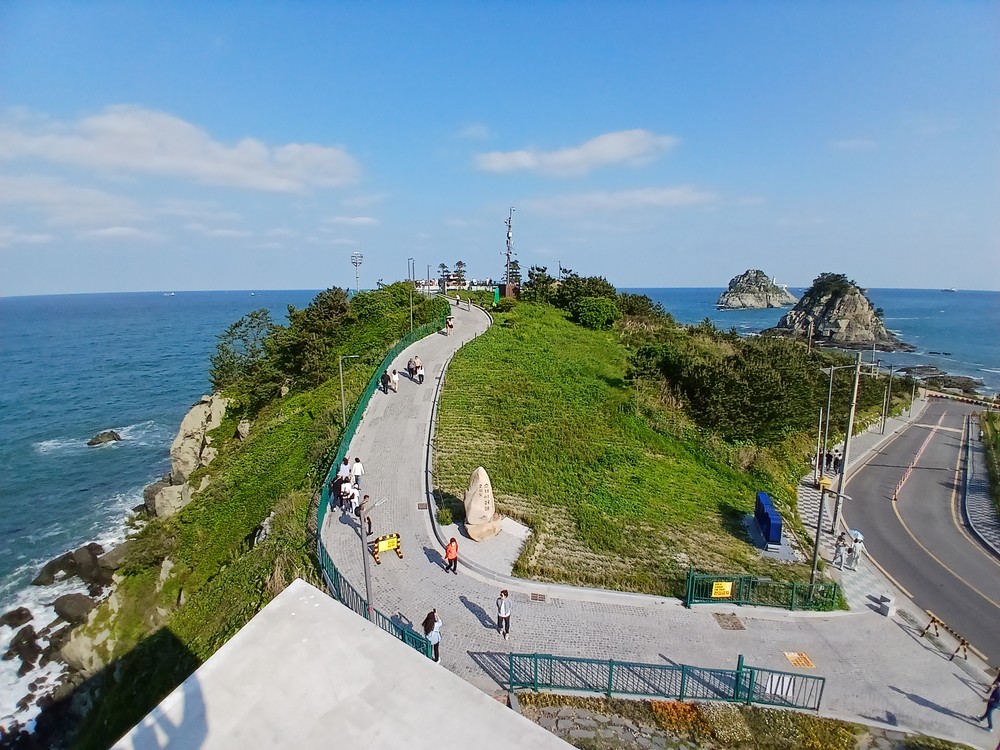
At Gyeongbokgung Palace, tourists particularly highlight the majestic atmosphere of the Joseon era, the chance to enter the grounds free of charge whilst wearing traditional hanbok, and the mesmerising changing of the guard ceremony at the main gate.
Travellers praise Seoraksan National Park for its breathtaking autumn scenery, incredible granite cliffs and the chance to ride the cable car. At the same time, they note that the climbs can be challenging in places.
Bukchon Hanok Village attracts visitors first and foremost with its photogenic winding streets lined with traditional thatched roofs; many come here specifically to have their photograph taken in hanbok. However, almost everyone emphasises the need to maintain absolute silence out of respect for the local residents who live there.
At Hwaseong Fortress, tourists particularly appreciate the chance to walk along the ancient wall, which stretches for several kilometres, offering stunning panoramic views of the city. Some tourists find the six-kilometre walk tiring due to the changes in elevation.
The Seoul Tower attracts visitors with its 360-degree views of the city; many mention the superb views from the panoramic windows, even from the toilets. Newlyweds flock to hang their ‘love locks’ on the famous fence at the base of the tower. The only thing that puts tourists off is the long queues for the cable car.
Bulguksa Temple delights visitors with the impeccable stonework of its ancient pagodas and the majestic stone bridges leading to temples with a thousand-year history.
At Haedong Yeongungsa Temple, tourists tend to spend more time than they had planned due to the site’s exceptional photogenic appeal. Also, due to the terrain, travellers note that the descent down the 108 steps to the ocean can be very slippery.
Jeju Island impresses its visitors with its volcanic landscapes and waterfalls, as well as the delicious mandarins that grow only here. People often underestimate the size of the island and are advised to hire a car.
The Myeongdong shopping district is a paradise for shopaholics and foodies; countless stalls selling exotic street food leave no one indifferent, whilst the endless rows of Korean cosmetics impress more than just beauty bloggers. Tourists note the generous samples and the option to claim a tax-free refund at almost any boutique.
Kamcheon Cultural Village is a strong contender for the title of the most photogenic spot – travellers adore this location for its bright, colourful houses on steep slopes, quirky art installations and breathtaking views of the sea and the town below.
South Korea attractions on the map
Frequently Asked Questions
Which attractions are definitely worth visiting for tourists in South Korea?
Tourists in South Korea should definitely visit Seoul’s majestic palaces, such as Gyeongbokgung, picturesque historic villages like Bukchon, and the Seoraksan and Jirisan National Parks. If time permits, it’s also worth visiting the volcanic island of Jeju and the ancient capital of Gyeongju.
Where are South Korea’s most interesting natural attractions?
The country’s most impressive natural sites, including majestic mountain ranges and dense forests, are concentrated in national parks such as Seoraksan in the east and Jirisan in the south. Unique volcanic landscapes await visitors on Jeju Island, whilst marine biodiversity can be found in Tadokhehasan Marine Park.
Are there any modern attractions in South Korea?
South Korea boasts a wealth of modern attractions, particularly in its major cities, such as Seoul’s futuristic skyscrapers and the bridges and flyovers in Busan. There is even the innovative ‘smart’ city of Songdo, built from scratch, as well as the high-tech theme parks Everland and Lotte World.
What is South Korea famous for worldwide?
South Korea is famous worldwide for its pop culture – there’s even a specific term for it, ‘K-pop’ – as well as for its cutting-edge technology and corporations such as Samsung, LG, Hyundai and Kia. Korean cuisine is also very well known around the world.